


Choosing among the best bilingual dual immersion elementary schools is about more than finding a classroom where children hear two languages. A strong program develops academic skills in both languages, helps students value different cultures, and gives families a clear path from kindergarten through later grades. Because “best” depends on a child’s needs, a school’s language model, and what is available locally, the most useful comparison looks beyond reputation: examine instructional time, teacher qualifications, literacy outcomes, family support, and the transition to middle school. This guide explains how dual language immersion works, what to look for in an elementary program, and how to compare schools with confidence.
What Makes an Elementary Dual Immersion School Stand Out?
Dual language immersion, also called dual language education or two-way immersion, teaches academic content in two languages. Students learn subjects such as literacy, mathematics, science, and social studies through the program languages rather than treating the second language only as a separate class. A Spanish-English school, for example, may teach some lessons in Spanish and others in English, with the goal of building proficiency and academic competence in both.
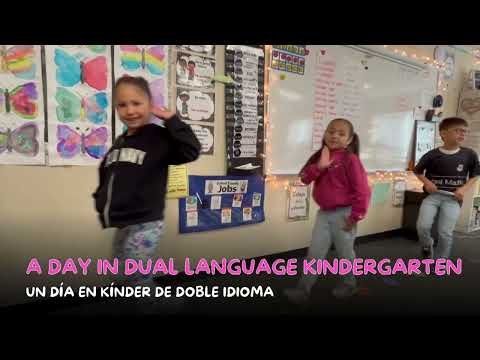
High-quality programs share several characteristics. They have a consistent instructional plan, qualified bilingual teachers, standards-aligned curriculum in both languages, and meaningful opportunities for students to speak, read, and write in each language. They also monitor progress in both languages instead of assuming that success in one automatically transfers to the other.
- Balanced language development: Students build listening, speaking, reading, and writing skills in both program languages.
- Strong core instruction: Math, science, and social studies remain rigorous, even when taught through a language learners are still acquiring.
- Stable language allocation: Families understand how much instruction happens in each language and how that schedule changes by grade.
- Inclusive enrollment: The school explains how it serves multilingual learners, native speakers, and students who are new to both languages.
- Long-term continuity: There is a realistic pathway into middle school and, ideally, high school language courses.
A polished website or a popular language label is not enough to judge program quality. Ask how the school measures progress, how it supports students who need additional help, and how it maintains access to challenging grade-level content.
Understand the Main Dual Language Models
Elementary immersion schools use different language-allocation models. No single percentage guarantees better results; implementation, staffing, curriculum, and student support matter. Still, understanding the model helps families compare programs accurately.
| Program model | Typical structure | What families should ask |
| 50/50 immersion | Instruction is divided roughly equally between the two languages. | Does the balance apply every day, by subject, or across the week? |
| 90/10 or 80/20 immersion | More early instruction takes place in the partner language, with English instruction increasing over time. | At what grade does the allocation shift, and how is English literacy supported? |
| One-way immersion | Most students come from one dominant-language group and learn through a partner language. | How are students’ home languages recognized and supported? |
| Two-way immersion | Students from different language backgrounds learn together, ideally with a purposeful balance of language groups. | How does the school maintain balanced enrollment and equitable participation? |
These labels can vary by district, so request the actual weekly schedule rather than relying on a model name alone. Ask which subjects are taught in each language, whether teachers switch languages during lessons, and how the school protects time for meaningful instruction in both.
How to Compare the Best Bilingual Elementary Schools
Review the curriculum and academic expectations
Effective bilingual education does not mean choosing between language learning and academic achievement. The program should follow applicable state or district learning standards while developing biliteracy. Ask to see curriculum materials, sample student work, and reading expectations in both languages. If the school uses separate literacy blocks, find out how skills such as phonics, vocabulary, comprehension, and writing are taught and coordinated across languages.
Look for evidence that students engage with grade-level ideas, not just simplified activities designed around vocabulary practice. In a strong immersion classroom, children can investigate science, explain mathematical thinking, and discuss literature while developing language skills. Teachers make content accessible with visuals, structured conversation, modeling, and carefully sequenced vocabulary.
Check teacher qualifications and collaboration
Teachers need more than fluency. They should understand elementary instruction, language development, and the curriculum in the language they teach. Ask what credentials or training teachers hold, how the school supports new staff, and whether language-specific teachers plan together. Coordination is especially important when different teachers teach English and the partner language: students benefit when the adults intentionally connect concepts without translating every lesson.
Look for purposeful language use
Children need frequent, supported opportunities to use both languages. Observe whether students answer questions, work with peers, explain their thinking, and encounter books and classroom materials in both languages. A lesson in which the teacher speaks the partner language while students respond only in English may offer less active language practice than the school’s description suggests.
Examine student support and inclusion
Ask how the school supports students with disabilities, emerging bilingual students, and children who join after kindergarten. A well-designed program does not assume every child enters with the same language background. It identifies learning needs, provides appropriate interventions, and communicates with families in accessible ways. Ask whether intervention services are available in both languages when possible and how special education staff coordinate with immersion teachers.
Questions to Ask on a School Tour
A school visit can reveal how the program operates day to day. Request a tour during instruction if possible, and ask specific questions rather than relying only on general claims about bilingualism.
- What percentage of instruction takes place in each language in every grade?
- How do you assess reading, writing, and subject knowledge in both languages?
- What happens when a student is struggling academically or linguistically?
- How do teachers coordinate instruction across the two languages?
- What languages are represented among students, staff, and family resources?
- How do students continue immersion in middle school, and what happens if the pathway is not available?
- How are families included when they do not speak the partner language?
Notice the students’ work as well as the classroom atmosphere. Look for writing samples, books at different reading levels, multilingual labels, and evidence that children use the partner language to communicate—not just repeat memorized phrases. Ask how the school responds when enrollment becomes unbalanced or when a teacher position is difficult to fill.
Choosing a Language and a Program That Fits Your Family
Families often compare Spanish-English immersion programs because Spanish is widely spoken in many communities and may be available through local schools. Other programs teach Mandarin, French, Japanese, Arabic, or additional languages. The right choice depends on the child, the community, and the availability of a sustained pathway. A language that has strong local community connections or family relevance may offer practical ways to use it outside school.
Parents do not need to speak the partner language for a child to succeed. They can support learning by reading, talking about school, encouraging persistence, and building positive connections with the language. If families cannot read homework materials in the partner language, the school should explain what support is expected and offer clear communication about learning goals.
Consider logistics too. A highly regarded program may require a long commute, lottery entry, or a multi-year commitment. Ask about attendance boundaries, application dates, sibling preferences, transportation, and the process for transferring into the program. A sustainable fit often matters more than a program’s ranking or online reviews.
Common Misconceptions About Dual Language Education
“Learning two languages will confuse my child.”
Children may mix languages or develop skills at different rates, especially while learning new vocabulary. That behavior is not, by itself, evidence of confusion. Ask educators to explain how they distinguish typical multilingual development from a learning concern and how they assess a child’s full language profile.
“Students must already speak the second language.”
Many immersion programs welcome beginners, while two-way programs may bring together children with different language strengths. Enrollment rules vary, so confirm whether the school expects prior proficiency and how it supports students entering at different levels.
“English reading should come first.”
Families may worry that instruction in another language will delay English literacy. Ask for the school’s reading data and the way it monitors growth over time. Strong programs intentionally develop literacy across languages and communicate clearly about progress rather than relying on reassurance alone.
Practical Tips for Supporting Your Child
- Keep home conversations rich and enjoyable in the language your family knows best.
- Read together regularly; use books in either language and invite your child to retell the story.
- Ask open questions about what your child learned instead of testing vocabulary every day.
- Attend family events and use the school’s bilingual resources, even if you are still learning.
- Contact the teacher early if your child feels frustrated, withdrawn, or unsure about classroom expectations.
Progress is not always symmetrical. A child may speak confidently in one language while reading more fluently in another. The useful question is whether the child is making steady progress, receiving appropriate instruction, and remaining engaged with grade-level learning.
Frequently Asked Questions
What are the best bilingual dual immersion elementary schools?
The best school is one with qualified teachers, a clearly implemented two-language model, strong academic instruction, meaningful student language use, and a supported pathway beyond elementary grades. Because quality and enrollment vary by location, compare schools in your district using classroom visits, program schedules, and student-progress information rather than a national ranking alone.
Is a 50/50 or 90/10 elementary immersion program better?
Neither model is automatically superior. A 50/50 program divides instructional time more evenly, while a 90/10 model typically provides more early instruction in the partner language and adjusts the balance over time. The quality of teaching, continuity, language development, and student support are more important than the percentage by itself.
Can a child succeed in Spanish immersion without speaking Spanish at home?
Yes. Many programs are designed for children who are beginners in the partner language. Families can support success by showing interest, maintaining regular communication with teachers, reading and talking with their child at home, and using community or school resources for language exposure.

How do I find a dual language elementary school near me?
Start with your school district’s multilingual education or enrollment office, then check individual school pages for languages offered, grade levels, application deadlines, and transportation. Ask whether the program is one-way or two-way, how seats are assigned, and whether immersion continues into middle school.
What should I ask about dual immersion elementary school test scores?
Ask how the school measures academic progress and language proficiency in both languages, which student groups are represented in the reported results, and how the school uses assessment data to improve instruction. A single test score cannot show the full picture of bilingual development or program quality.
Do dual language immersion programs support students with learning differences?
They should provide appropriate services and evaluate students’ learning needs without treating bilingualism itself as a disability. Ask how general education teachers, language specialists, and special education staff collaborate, and how assessments consider the child’s experience in both languages.
Conclusion: Choose for Quality, Continuity, and Fit
The best bilingual dual immersion elementary schools combine rigorous academics with intentional language development, culturally responsive teaching, and strong family communication. Compare the actual language schedule, teacher preparation, student support, assessment practices, and middle-school pathway. Visit classrooms, ask direct questions, and consider whether the program is practical for your family over several years. With those details in view, you can choose an elementary school that helps your child grow as a confident learner and a capable communicator in two languages.
