


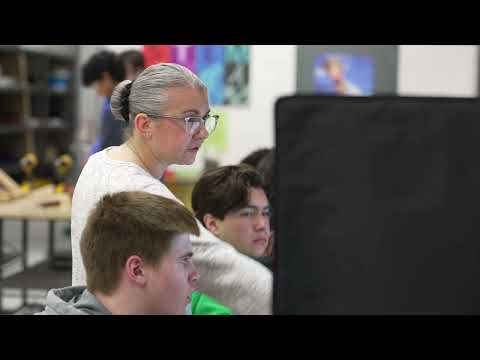
At Adlai E. Stevenson High School in Lincolnshire, Illinois, STEM and career and technical education (CTE) are not separate ideas so much as connected ways to learn. Students can build a foundation in science, technology, engineering, and mathematics while developing practical skills in areas such as design, computing, business, and applied technology. For families exploring “Adlai Stevenson Illinois STEM and CTE pathways,” the most useful question is not simply which course sounds exciting. It is how a student can combine classes, projects, extracurricular opportunities, and future planning into a sequence that supports their interests and goals.
What STEM and CTE Mean at Stevenson
STEM education emphasizes applying concepts from science, technology, engineering, and mathematics to understand problems and develop solutions. CTE, or career and technical education, adds a strong connection to practical work: students learn technical knowledge, use tools and processes, collaborate, and consider how skills transfer to college, employment, and other training.
At a comprehensive high school such as Stevenson, these approaches can overlap. A student interested in engineering might use math and science in a design course, then deepen those interests through a club or independent project. A student drawn to technology might explore programming, digital tools, or computer systems while building communication and problem-solving skills. Business and applied courses can also complement STEM by showing students how ideas are organized, presented, and put into practice.
Course titles, prerequisites, and availability can change from year to year. Families should use Stevenson’s current course catalog, department information, and academic advising resources to confirm details rather than rely on an old course list or a third-party description.
How to Think About a Pathway
A pathway is best understood as a purposeful sequence, not necessarily a formal program with one fixed set of classes. Students can begin with an introductory course, progress to more advanced study when prepared, and connect learning to a project, competition, internship, or college-level interest. The right sequence depends on a student’s preparation, curiosity, schedule, and longer-term plans.
For a beginner, a useful starting point is to sample a subject and notice what kind of work feels engaging. Does the student like coding and debugging? Designing and revising? Testing a scientific idea? Organizing a team or explaining a proposal? These preferences can help identify promising courses without requiring an early commitment to a single career.
At an intermediate level, students can build depth by taking related classes and looking for ways to apply what they learn. An advanced student might pursue a more demanding course, independent project, leadership role, or relevant extracurricular activity. The aim is not to collect the largest number of STEM labels; it is to develop genuine knowledge and be able to explain how learning has progressed.
Common Areas to Explore
Engineering and design
Engineering-oriented learning introduces students to a process: identify a need, define constraints, generate possible solutions, create or model a design, test it, and improve it. This process develops more than technical ability. Students practice documenting decisions, responding to evidence, and working through setbacks—all skills that matter in engineering programs and many other fields.
Students considering this direction should build a solid foundation in mathematics and science, then look for design-based coursework and hands-on experiences where available. A project portfolio can be helpful: keep brief notes on the problem, the student’s contribution, what was tested, and what changed after testing. A polished result is useful, but thoughtful iteration often tells a stronger story.
Computer science and digital technology
Computer science can involve programming, computational thinking, data, and the design of digital solutions. Beginners benefit from learning how to break a complex task into smaller steps and how to test code systematically. More experienced students can explore larger projects, collaborate through versioned work, or investigate how software serves a real user need.
Students should distinguish computer science from simply using computers. Creating a program, analyzing data, or understanding how a system behaves requires reasoning and persistence. It also requires clear communication: a student should be able to describe what a project does, how it works, and what limitations remain.
Applied technology and career skills
CTE learning may also include applied, project-centered experiences in technology or other career-related subjects. These courses can help students connect classroom concepts to practical tasks, tools, processes, and workplace expectations. Depending on current offerings, students may find opportunities that complement engineering, computing, business, or other interests.
Because course offerings and names can change, students should review the current Stevenson catalog and ask the relevant department how a course is structured. Useful questions include whether the class is introductory or advanced, what prerequisites apply, how much work is project-based, and what students typically create or demonstrate.
Choosing Courses Strategically
A strong schedule balances exploration with depth. Students should consider graduation requirements, prerequisites, workload, and their existing strengths before adding a course solely because it appears advanced or popular. Academic counselors and teachers can help identify an appropriate next step and explain how a choice fits the wider schedule.
- Start with an interest. Identify a question, activity, or problem that genuinely motivates the student.
- Check the catalog. Confirm course descriptions, prerequisites, sequence, and availability for the relevant school year.
- Build foundations. Choose appropriate mathematics, science, communication, and technical courses that support future study.
- Seek application. Look for projects, clubs, competitions, or other experiences that let students use classroom learning.
- Review the plan. Revisit goals with a counselor as interests and academic readiness develop.
Students do not need to decide on a college major or career in ninth grade. A thoughtful pathway leaves room to change direction. Skills such as analytical thinking, collaboration, writing, presentation, and responsible use of technology remain valuable even if a student’s original interest evolves.
STEM and CTE Compared
| Learning approach | Typical emphasis | Questions to ask |
| STEM-focused study | Concepts and methods from science, technology, engineering, and mathematics | What principles will students learn, and how will they apply them? |
| CTE-focused study | Practical technical knowledge, processes, and career-connected skills | What tools, tasks, or workplace practices will students experience? |
| Integrated learning | Using academic concepts to design, make, test, or communicate a solution | What will students create, evaluate, or improve? |
These categories are not competing choices. A course may have strong academic content and practical application at the same time. Families can get a clearer picture by asking about actual assignments and student work rather than judging a course by its title alone.
Beyond the Classroom
Extracurricular experiences can extend STEM and CTE learning, but participation should be purposeful and manageable. Stevenson students can investigate the school’s current clubs, activities, competitions, and community opportunities to find options related to their interests. Availability and eligibility may vary, so students should verify current information with school staff.
When evaluating an activity, look for the opportunity to do meaningful work: build, analyze, plan, present, mentor, or collaborate. A student who contributes consistently to one project may gain more than someone who signs up for many activities without time to engage. Keep a record of responsibilities, challenges, results, and lessons learned. These details make future applications and interviews more specific and credible.
Practical Advice for Families
- Read the current Stevenson course catalog together and note questions before meeting with a counselor.
- Ask teachers which foundational skills will help a student succeed in a more advanced class.
- Consider workload and well-being alongside ambition; a sustainable schedule supports deeper learning.
- Encourage students to document projects, including failed tests and revisions, not only final results.
- Check whether an opportunity is current and school-approved before making plans around it.
- Discuss college and career goals as possibilities to explore, not as commitments students must make early.
For advanced learners, the next step may be to connect coursework to an authentic problem. That could mean researching a local issue, designing a prototype, analyzing a dataset, or explaining a technical concept to a public audience. Students should follow school guidance, respect safety and privacy requirements, and make their own contributions clear when working in a team.
Frequently Asked Questions
What STEM pathways are available at Adlai Stevenson High School in Illinois?
Students can explore STEM through relevant science, mathematics, technology, engineering, and computing coursework, along with projects and extracurricular activities. The exact courses and sequences may change, so consult Stevenson’s current catalog and ask a counselor which options fit a student’s preparation and schedule.
Does Stevenson offer career and technical education courses?

Stevenson’s course catalog and departments are the best sources for current CTE and applied-learning options. Families should check the latest descriptions for subjects, prerequisites, project work, and enrollment details rather than assume that a course offered in a prior year is still available.
How should a student choose between STEM and CTE classes?
Students do not always need to choose between them. Consider the student’s interests, academic foundation, and preferred way of learning. A combination of conceptual coursework and practical application can provide a broader experience, provided the schedule remains manageable and meets graduation requirements.
Can a student begin a STEM pathway without knowing a future career?

Yes. Introductory classes and small projects are useful ways to explore. Students can develop transferable skills and refine their interests over time; a pathway should guide exploration rather than lock a student into a career choice.
How can families confirm course prerequisites and availability?
Use the school’s current course catalog and academic planning information, then confirm questions with a counselor or the relevant department. Course names, prerequisites, scheduling, and eligibility can vary by school year.
What helps a student stand out in an engineering or computer science pathway?
Depth, reflection, and clear evidence of learning matter. A student can explain a project’s purpose, describe their individual contribution, show how they tested and improved an idea, and connect the experience to skills developed in class. Authentic work is more persuasive than a long list of activities.
Conclusion
Adlai Stevenson Illinois STEM and CTE pathways can help students connect academic learning with practical problem-solving, technical skills, and future possibilities. The strongest approach is individualized: explore an area of interest, build the necessary foundations, progress when ready, and apply learning through projects or activities. Because specific offerings change, Stevenson’s current course catalog, teachers, departments, and counselors should guide final decisions. With thoughtful planning and room to grow, students can develop skills that serve them in college, careers, and an increasingly technology-driven world.
