


Choosing the best California homeschool curriculum for 2026 starts with one important distinction: California does not require families to use a particular curriculum, but it does require them to follow an appropriate legal path for educating their children. Once you understand that choice, you can compare programs by teaching style, student needs, budget, and how much structure your family wants. This guide reviews leading homeschool curriculum options, explains how they fit California families, and offers practical ways to build a plan that works from kindergarten through high school.
What “Best” Means for a California Homeschool
There is no single best homeschool curriculum for every California family. A strong choice supports your child’s current learning level, fits the time and resources you can commit, and gives you a workable way to document progress. It should also match the legal arrangement you choose. A family homeschooling independently may select and manage materials directly; a charter school or private school satellite program may provide curriculum, guidance, or funding under its own policies.
Before buying a full-year package, consider these questions:
- Does your child learn best through books, conversation, hands-on projects, video lessons, or a mix?
- How much lesson planning and grading can you realistically do each week?
- Do you need a complete curriculum, or only resources for particular subjects?
- Will your child need transcripts, lab work, or other records for high school and college planning?
- Does a charter or private school program require approved vendors, specific materials, or regular reporting?
California Homeschooling: Choose the Legal Path First
California families commonly educate children at home through a private school they establish, by enrolling in a private school satellite program (PSP), or through a public charter or other public-school independent study arrangement. These options are not interchangeable. Requirements, oversight, funding, and parent responsibilities differ, so confirm details with the California Department of Education and the school or program you are considering. Rules and procedures can change; verify current requirements for the 2026 school year before filing paperwork or withdrawing from a school.
In a private-school arrangement, parents generally take responsibility for operating the school and maintaining required records. A PSP provides an umbrella arrangement, but its services and obligations vary. Public charter programs remain public schools: they may offer teacher support or educational funds, but families typically follow the charter’s enrollment, work-sample, and instructional policies. Do not assume that a curriculum advertised as “California homeschool approved” meets every family’s legal or program requirements.
Curriculum choice is separate from legal compliance. Keep attendance or participation records, course descriptions, samples of work, and assessment information as appropriate to your arrangement. For high school, maintain clear course titles, credits, and grades. If your child may apply to college, plan early for transcripts, laboratory sciences, and entrance requirements rather than waiting until senior year.
Best California Homeschool Curriculum Options for 2026
The providers below serve different learning styles and budgets. Offerings, prices, and course catalogs can change, so compare current 2026 details directly with each provider. Many families combine resources instead of using one publisher for every subject.
| Option | Best fit | What to consider |
| Time4Learning | Families seeking online, self-paced lessons | Check grade-level placement, screen-time fit, and whether you need separate books or enrichment. |
| Oak Meadow | Literature-rich, flexible, child-centered learning | Its open-ended assignments may require substantial parent involvement and adaptation. |
| Sonlight | Families who enjoy read-alouds and history through literature | Reading loads and package costs can be significant; plan math and other subjects separately if needed. |
| The Good and the Beautiful | Families wanting an integrated, approachable course sequence | Review the subject scope and teaching approach to ensure they suit your child and family. |
| Memoria Press | Classical education, structured lessons, and Latin | Expect a more traditional approach and regular parent guidance, especially with younger students. |
| BookShark | Secular, literature-based learning with planned materials | Confirm the package’s grade range, subject coverage, and any materials not included. |
Best Online Curriculum for Flexible Scheduling
Online programs can help families who travel, need a predictable lesson sequence, or want a student to work more independently. Time4Learning is one widely used example, with digital lessons and progress tracking. It can be useful for core practice, but online lessons should not automatically replace discussion, writing feedback, library reading, experiments, or time outdoors. Set a daily screen-time rhythm and check whether the program’s scope aligns with your educational goals.
Best Literature-Based Curriculum
Oak Meadow, Sonlight, and BookShark appeal to families who want learning anchored in books, discussion, and meaningful projects. These approaches can build background knowledge and vocabulary while connecting history, literature, and writing. They also require thoughtful pacing: a long reading list is not the same as deep comprehension. Schedule read-alouds, independent reading, narration, and written responses according to your child’s age and stamina.
Best Structured or Classical Curriculum
Memoria Press and other classical programs suit families who value a clear sequence, memorization, grammar, and regular practice. A structured plan can be reassuring for new homeschoolers, but avoid treating the schedule as more important than mastery. If a student is struggling, slow down, reteach, or use a different explanation rather than pushing through lessons simply to finish the book.
How to Match Curriculum to Your Child’s Level
Beginning Homeschoolers and Elementary Students
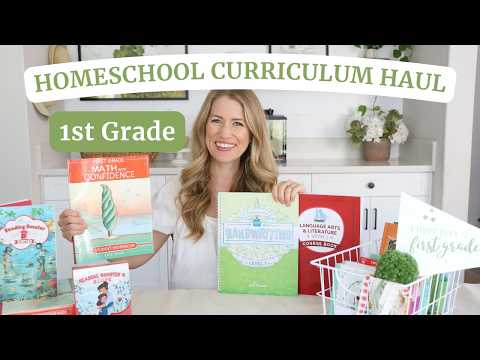
For younger learners, prioritize phonics or structured literacy, math foundations, read-alouds, handwriting as appropriate, and plenty of play. A complete boxed curriculum may reduce planning, but it can also include more work than a child needs. Start with a placement check or sample lessons. Choose materials that let you see what your child understands without turning every day into a test.
Intermediate Learners and Middle School
Students in the middle grades benefit from growing independence, explicit writing instruction, consistent math practice, and exposure to science and history beyond short videos. Use a planner or weekly checklist, then review work together. This is a good stage to identify gaps, learning differences, or interests that call for enrichment. For a child who is ahead in one subject and behind in another, place by skill rather than choosing every course by age or grade label.
Advanced Learners and High School
High school planning calls for more than choosing engaging lessons. Map courses across four years, keep dated records, and describe course content and credit decisions clearly. Families may use a mix of textbooks, online courses, community college classes, and independent projects. Check college admissions expectations early if that is a goal, since subject requirements differ by institution. For laboratory science, document the course content and practical work, and confirm whether a chosen course meets the needs of the student’s intended colleges or career pathway.
Build a Practical Curriculum Plan
A well-chosen curriculum is only useful if your family can sustain it. Use this process before committing to a full package:
- Confirm your schooling arrangement. Find out what records, materials, or reporting your private school, PSP, or charter requires.
- Set learning priorities. Identify essential goals for reading, writing, math, science, and history, plus any individual needs.
- Review samples. Try lessons with your child and inspect the teacher’s guide, workload, and assessment style.
- Budget the whole year. Include books, shipping, supplies, subscriptions, activities, and any required program fees.
- Plan a review point. After four to six weeks, keep what is working and adjust what is not.
For many households, a hybrid plan offers the best balance: a consistent math program, a strong language arts sequence, literature-based history, and hands-on science. Add art, music, physical activity, and field trips without expecting every subject to come from one company. A local library, parks, museums, and community classes can enrich learning, though charter families should check program rules before using public funds for outside activities.
Common Mistakes to Avoid
- Buying too much too soon: Start with core resources and samples; add materials after you understand your child’s pace.
- Confusing activity with progress: A packed schedule does not prove learning. Look for retained knowledge, stronger skills, and thoughtful work.
- Ignoring fit: A popular curriculum can still be wrong for a student who needs shorter lessons, more movement, or a different reading approach.
- Overlooking records: Keep organized course descriptions and samples, especially as students approach high school.
- Assuming funding or approval: Charter purchasing rules and private program policies vary. Confirm eligibility before spending.
Frequently Asked Questions
What is the best homeschool curriculum in California for 2026?
The best option depends on your child and schooling arrangement. Time4Learning offers online structure; Oak Meadow, Sonlight, and BookShark emphasize literature; and Memoria Press provides a more classical sequence. Compare samples, current offerings, workload, and program requirements before choosing.
Does California approve homeschool curricula?

California does not designate one universal curriculum as the required choice for homeschool families. Your legal arrangement determines responsibilities, and a charter or private program may set its own rules. Verify current requirements with the relevant school or state guidance.
Can I homeschool in California for free?
It is possible to use library resources, free materials, and low-cost programs, but “free” depends on your arrangement and needs. Public charter programs may provide educational resources under specific policies; independent private-school families generally plan their own budget.
What curriculum works best for a California charter homeschool?
There is no single best charter curriculum. Ask the charter about approved vendors, instructional expectations, funding, work samples, and teacher check-ins before purchasing. A curriculum that works for an independent homeschool may not meet a charter’s procedures.
How do I choose a California homeschool curriculum for high school?
Start with graduation goals, course sequence, and possible college or career requirements. Select courses that provide clear content and assessment, and maintain transcripts, grades, and course descriptions. Check admissions requirements directly with prospective colleges.
Can I mix homeschool curriculum providers?
Yes. Many families use different resources for math, language arts, science, and history. Make sure the overall plan has coherent progression, manageable workload, and records that fit your schooling arrangement.
Conclusion
The best California homeschool curriculum for 2026 is the one that combines a sound learning plan with a legal arrangement your family understands and can maintain. Compare teaching styles, test sample lessons, account for the full-year cost, and review your plan after your child has had time to use it. Whether you choose online instruction, literature-based learning, classical materials, or a thoughtful mix, consistent teaching and careful recordkeeping matter more than buying the most comprehensive package.
