


Bellevue High School in Bellevue, Washington, offers students several ways to connect academic learning with science, technology, engineering, mathematics, and career and technical education (CTE). For families exploring “Bellevue High Washington STEM and CTE pathways,” the important distinction is that a pathway is not always a single, formally named program. It can be a sequence of courses, projects, and experiences that builds skills over time. Students should use the current Bellevue School District course catalog and Bellevue High’s course-planning resources to confirm which classes are offered, what prerequisites apply, and whether a course counts toward a graduation or CTE requirement.
What STEM and CTE Pathways Mean at Bellevue High
STEM education develops ways of thinking and working across science, technology, engineering, and mathematics. CTE connects classroom learning to industries and occupations through applied coursework, technical skills, and career exploration. At Bellevue High, students can build a STEM- or career-oriented plan by pairing rigorous academic classes with available CTE courses and related experiences.
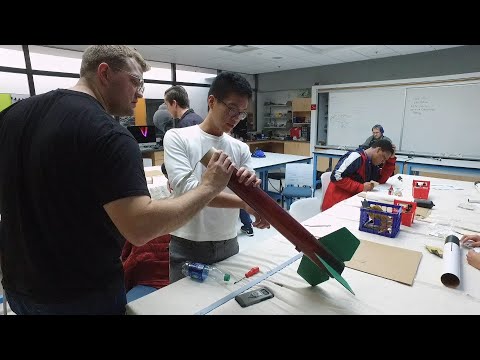
These approaches overlap, but they are not interchangeable. A student interested in engineering might take advanced math and science while also pursuing design, computing, or manufacturing-related coursework if available. A student interested in health careers may combine biology and chemistry with coursework or career exploration connected to health sciences. The exact combination depends on the school’s current offerings, student goals, and course availability.
- STEM learning emphasizes inquiry, quantitative reasoning, experimentation, computational thinking, and solving technical problems.
- CTE learning emphasizes practical skills, career awareness, workplace habits, and applying academic knowledge to real contexts.
- A pathway is a purposeful sequence: introductory learning, deeper study, and opportunities to apply skills through projects or other experiences.
How to Build a STEM Course Sequence

A strong STEM plan does not mean taking every advanced class. It means choosing courses that build on one another, fit a student’s interests, and leave room for a healthy workload. Start by reviewing graduation requirements and the school’s current course guide. Then identify the subjects that best connect to the student’s goals.
Begin with foundations
In the earlier high school years, students can focus on core mathematics and science, learn how to study effectively, and sample technology or design classes when available. Foundational courses matter because later classes may require particular skills or prerequisite credits. Students should ask counselors and teachers how course sequences work rather than assuming that a class title alone indicates the right next step.
Progress toward depth and application
As students gain confidence, they can consider advanced math and science courses, computer science, engineering or design electives, and CTE offerings that match their interests. The goal is to develop both depth and range: understanding concepts, practicing technical methods, communicating results, and learning to revise work when an initial solution does not succeed.
Projects are especially useful. A student might analyze data, design a prototype, write a program, investigate an environmental question, or present a research-based recommendation. These activities help students explain not only what they know, but how they use evidence and respond to constraints.
CTE Options and Career-Connected Learning
CTE courses can help students explore fields before committing to a college major or career. Depending on Bellevue High’s current catalog and district arrangements, career-connected learning may involve areas such as computing, business, engineering and design, media, health, or other applied subjects. Offerings can change from year to year, so students should verify course names, availability, and program details directly with the school.
CTE is not a “non-college” route. Career and technical education can support students planning for a four-year university, community or technical college, apprenticeship, military service, or direct entry into work. Many careers benefit from both strong academic preparation and practical experience. A CTE class can also help a student discover that a field is a good fit—or that another direction is more appealing.
What students can gain
- Practice using tools, software, equipment, or professional methods relevant to a subject area.
- Build communication, collaboration, planning, and problem-solving skills.
- Explore career options and learn what different roles involve in practice.
- Create projects or other work that can help demonstrate growth and interests.
- Connect classroom concepts to local industries and community needs.
Comparing STEM and CTE Pathway Elements
| Pathway element | Primary focus | Example of student learning |
| Core STEM courses | Academic foundations and technical reasoning | Use mathematical models or scientific evidence to explain a problem |
| Advanced coursework | Greater depth and preparation for further study | Study complex concepts and complete more independent analysis |
| CTE electives | Applied skills and career exploration | Use subject-specific tools or methods to complete a practical task |
| Projects and presentations | Communication, iteration, and demonstration of learning | Explain a design decision, test results, or proposed solution |
| Career exploration | Understanding occupations and education routes | Compare job responsibilities, training, and workplace expectations |
This comparison describes common purposes, not a guarantee that Bellevue High offers every example as a dedicated course or program. Check the current school and district information before building a schedule around a particular subject.
Planning by Grade Level
Early high school: explore and establish prerequisites
Students beginning high school should prioritize graduation requirements, foundational math and science, and a manageable introduction to electives. They can note which subjects feel engaging, which skills they want to strengthen, and what prerequisites future courses require. An introductory CTE or technology course can be a valuable way to test an interest without needing to make a long-term career decision.
Middle high school: connect interests to a sequence
Once students have experience with different subjects, they can select a more intentional sequence. For example, a student interested in computing might pair mathematics with programming or technology classes offered by the school. Someone drawn to environmental science could build a plan around science courses, data analysis, and relevant applied projects. Students should check how each option fits with graduation credits and any advanced-course expectations.
Later high school: demonstrate skills and prepare for next steps
In the final years, students can aim to complete a coherent set of courses, pursue a substantial project where available, and connect their learning to postsecondary plans. They might document project work, reflect on skills gained, and seek appropriate opportunities to learn about college programs, apprenticeships, or occupations. A coherent pathway is more persuasive than a crowded transcript with no clear connection between choices.
Practical Advice for Students and Families
- Start with the official catalog. Confirm current course descriptions, prerequisites, grade levels, and whether classes run every year.
- Meet with a counselor early. Ask how a proposed sequence fits graduation requirements and what scheduling constraints may affect access.
- Talk to teachers. Teachers can explain the preparation needed for advanced courses and suggest ways to explore a subject.
- Balance challenge and capacity. Consider extracurricular commitments, health, and time for sustained learning when selecting a workload.
- Look beyond course titles. Compare what students actually do: projects, labs, presentations, software, collaboration, and assessment.
- Revisit the plan annually. Interests change, course offerings shift, and students may discover new strengths as they progress.
Families should also ask whether a course is part of a district-recognized CTE sequence, whether it can contribute to a CTE graduation requirement, and what documentation is needed. Those details are specific to district policy and the current program; do not assume that every technology-related class has the same designation.

Making a Pathway Useful for College and Career
Students can make their STEM and CTE learning more meaningful by keeping evidence of what they have learned. This might include project summaries, design sketches, code samples, lab reflections, presentations, or a record of tools and methods used. Follow school guidance about privacy and permitted sharing, especially for work involving other students or community partners.
When describing a project, explain the question or need, the student’s role, the process, the result, and what changed after testing or feedback. This kind of reflection helps with applications, interviews, and future coursework because it shows how the student thinks—not just which classes they took.
Frequently Asked Questions
What STEM and CTE pathways are available at Bellevue High School in Washington?
Available options depend on the current Bellevue High and Bellevue School District course catalogs. Students can explore academic STEM courses, CTE electives, and project-based learning where offered. Confirm current offerings and any formal pathway designation with a school counselor.
Does Bellevue High offer a dedicated engineering or computer science pathway?
Course availability and program names may change. Check the latest Bellevue High course guide for engineering, computer science, technology, and related electives, and ask about prerequisites and whether courses form a sequential program.
Can CTE classes count toward high school graduation requirements?
Some CTE courses may satisfy applicable graduation requirements, but credit and program rules depend on the course and district policy. Ask a counselor to verify how a specific class applies to the student’s graduation plan.
Is CTE at Bellevue High useful for students planning to attend college?
Yes. CTE can complement college preparation by helping students develop technical skills, explore majors, and apply academic knowledge. Students should balance CTE choices with required coursework and the admission expectations of their intended colleges.
How should a Bellevue High student choose between advanced STEM classes and CTE electives?
Students do not always need to choose one over the other. Begin with graduation and prerequisite requirements, then select a manageable mix that supports the student’s interests. A counselor can help check scheduling and course-planning implications.
Where can families verify Bellevue High STEM and CTE course information?
Use the current Bellevue School District course catalog, Bellevue High’s official course-planning materials, and guidance from the school counseling office. Confirm details directly because schedules, course names, and availability may change.
Conclusion
Bellevue High Washington STEM and CTE pathways can help students connect academic foundations with practical skills and informed career exploration. The most effective plan is specific, balanced, and based on verified course information: build prerequisites, choose classes with clear purpose, apply learning through projects where possible, and review the sequence with a counselor each year. With thoughtful planning, students can prepare for college, technical education, apprenticeships, and a wide range of careers without treating any one route as the only measure of success.
