


Families searching for adolescent Erdkinder Montessori public tuition-free options are often trying to solve two problems at once: finding a school that respects the needs of teenagers and making that education financially realistic. The Erdkinder idea, developed by Maria Montessori for adolescents roughly ages 12 to 18, connects academic learning with practical work, community life, and increasing independence. Public Montessori programs can offer parts of this approach without private-school tuition, but availability, program design, and eligibility vary widely by location. The most useful first step is to distinguish a fully implemented Erdkinder program from a public school that uses Montessori-inspired practices—and then verify the actual costs, grades, and enrollment rules.
What “Erdkinder” Means in Adolescent Montessori Education
“Erdkinder,” often translated as “children of the land,” describes Montessori’s vision for adolescent education. It is not simply a farm curriculum or a school with a garden. The approach treats teenagers as capable people who learn through purposeful work, intellectual study, relationships, and meaningful responsibility. Ideally, students engage with a real community and contribute to it while developing the judgment and independence they will need as adults.
In practice, an adolescent Montessori program may combine seminars, individual research, collaborative projects, hands-on work, outdoor learning, and community responsibilities. Students might study biology through field observation, economics through a student-run enterprise, or writing through research and publication. The exact schedule and activities differ by school; the name “Erdkinder” alone does not guarantee a particular model.
Common features to look for
- Integrated academics: Subjects connect through projects and questions rather than appearing only as isolated lessons.
- Practical work: Students plan, make, maintain, grow, serve, or manage something with a real purpose.
- Increasing independence: Adolescents have meaningful choices and responsibility, with adult guidance and clear expectations.
- Community participation: The learning environment includes collaboration, service, and respectful relationships across age groups.
- Reflection and assessment: Students document progress, receive feedback, and explain what they have learned.
Are There Public, Tuition-Free Erdkinder Schools?

Yes, tuition-free public Montessori options for adolescents exist, but they are not evenly distributed. Depending on the community, families may find a district-run Montessori middle school, a public Montessori charter school, a magnet program, or a school offering Montessori practices within a broader alternative-education model. Some programs serve grades 6–8; fewer continue through high school. A school may also describe itself as “Montessori-inspired” rather than offering a full adolescent Erdkinder program.
“Tuition-free” usually means that families do not pay tuition for an eligible student to attend the public school. It does not mean every expense disappears. Transportation, meals, uniforms or required clothing, field experiences, supplies, and optional activities may involve costs. Ask for a written breakdown and whether support is available for families who need it.
| Public option | How it may work | What to verify |
| District Montessori school | Operated by a local public school district; admission may depend on attendance boundaries or a lottery. | Grades served, residency rules, transportation, and whether Montessori continues into adolescence. |
| Public charter Montessori school | Publicly funded and usually tuition-free; families may apply from outside the neighborhood or district, subject to local law. | Application dates, lottery procedures, capacity, enrollment priorities, and additional fees. |
| Magnet or choice program | A district program that may accept applications from across a wider area. | Eligibility, selection criteria, deadlines, and whether the program is Montessori-specific. |
| Montessori-inspired public program | Uses selected Montessori methods, projects, or student-choice practices within a conventional public-school structure. | How much instructional time is Montessori-based and how the adolescent model is implemented. |
How to Find an Adolescent Montessori Program Near You
Search locally and broadly. Useful queries include “public Montessori middle school near me,” “tuition-free Montessori charter school grades 6–8,” “public Montessori high school,” and “adolescent Erdkinder program city or state.” Search school-district choice pages, state charter-school directories, and individual school websites. Montessori associations and regional education networks may help identify schools, but confirm current program details directly with the school.
A practical search process
- Set the age and grade range. Decide whether you need a program for early adolescence, high school, or a continuous pathway from middle to high school.
- Check public status. Confirm that the school is district-operated, a public charter, or another tuition-free public option—not a private school using similar language.
- Read the enrollment policy. Look for residency requirements, application windows, lottery rules, sibling preferences, and waitlist procedures.
- Ask about the adolescent model. Request examples of a typical week, student projects, practical work, and how adults guide independent learning.
- Visit and observe. If possible, see students working and ask to speak with families of current adolescents.
- Compare total costs and logistics. Include travel time, transport, meals, materials, and any required trips in your decision.
Do not rely on a directory listing or a school’s use of “Montessori” as the final word. Program names and grade offerings change. Confirm the school’s current enrollment information with its registrar or admissions office, and ask whether the adolescent program will operate for the school year you are considering.
What to Evaluate Beyond “Montessori” in the Name
A strong program should be able to explain how its philosophy translates into a teenager’s daily experience. Ask how students balance choice with required academic content, how teachers track progress, and how the school prepares students for high school graduation requirements, college, technical education, or employment. A thoughtful answer should include concrete examples rather than broad promises about independence.
Academic rigor and student support
Project-based learning can be demanding when students investigate a question, collect evidence, revise their work, and present a clear result. Ask how the school teaches mathematics, literacy, science, and social studies; how it identifies learning gaps; and what happens if a student struggles with organization or completing long-term work. For high-school-age students, confirm credit requirements, transcripts, graduation pathways, and access to advanced courses or career and technical education.
Adolescent development and belonging
Teenagers need both autonomy and dependable adult support. Ask how advisors build relationships with students, how conflict is handled, and how the school supports social-emotional development without treating practical work as a substitute for instruction. Families should also ask about special education services, accommodations, multilingual learner support, counseling, and access for students with different learning needs.
Authentic work, not just activities
Gardening, cooking, woodworking, and service can be valuable, but an activity becomes more educational when students make decisions, apply knowledge, take responsibility, and reflect on results. Ask what students actually plan or manage. For example, do they track costs for a small enterprise, use measurements and data in a growing project, or write for a real audience? Look for purposeful work linked to academic learning and appropriate safety practices.
Costs, Transportation, and Enrollment: Questions to Ask
Public tuition-free status is important, but a program’s daily practicality matters too. A school across town may be difficult to attend without reliable transportation, and a required outdoor program may involve clothing or equipment. Ask for a complete explanation before accepting a place.
- Is tuition charged, and are there mandatory fees or suggested contributions?
- Are field trips, overnight experiences, meals, or materials included?
- Does the school provide transportation, and which neighborhoods or routes are covered?
- What is the application deadline, and is admission determined by lottery?
- Can students enter after the usual transition year, or is enrollment limited to a specific grade?
- How are attendance, work completion, and academic progress communicated to families?
Keep copies of application confirmations and note important dates. If a public Montessori school is oversubscribed, ask whether the waitlist rolls over, whether a new application is needed each year, and what nearby public alternatives offer comparable project-based or experiential learning.
Matching a Program to Your Teenager
Erdkinder-style learning can be a good fit for adolescents who enjoy hands-on projects, collaboration, outdoor experiences, or having a meaningful role in a community. It can also support students who want to connect academic ideas with real-world questions. However, the approach is not automatically the right fit for every teenager, and individual schools vary substantially.
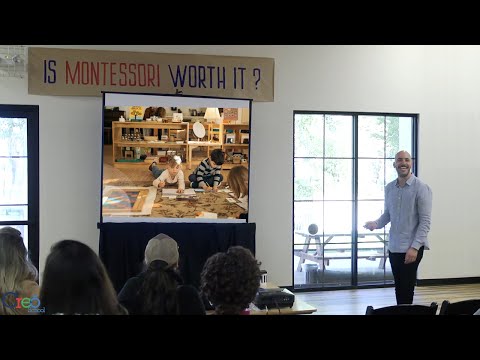
Consider your child’s preferences alongside the school’s structure. A student who wants clear routines may do well in a program that combines choice with explicit planning support. A student who thrives in conventional classes may still enjoy a Montessori environment if the school provides transparent expectations and strong subject instruction. Rather than asking whether your teen is “Montessori material,” ask whether the school’s specific teaching style, support systems, and daily logistics meet their needs.
Frequently Asked Questions
Are public Montessori schools for adolescents really tuition-free?
District schools and public charter schools generally do not charge tuition to eligible students. Families may still encounter costs for supplies, trips, meals, transportation, or activities. Request a current fee list and ask whether financial assistance or fee waivers are available.
How can I find a tuition-free Erdkinder Montessori middle school near me?
Search district school-choice pages, public charter directories, and local Montessori school listings using your city or state and the grades you need. Then contact each school to confirm public status, current grades, admission rules, and whether its adolescent program includes authentic practical work and integrated academics.
Do public Montessori high schools use the full Erdkinder model?
Some may incorporate substantial adolescent Montessori practices, while others use selected elements such as project-based learning or student choice. Ask for a sample schedule, course and credit information, examples of student work, and a clear description of how practical work connects to academic goals.
Can a student transfer into a public Montessori adolescent program?
Transfer policies vary. Some schools accept applications for multiple grades when places are available; others primarily enroll students at an entry grade or use a lottery. Contact the admissions office early and ask about midyear entry, prerequisites, records, and waitlists.
What should parents ask during an adolescent Montessori school visit?
Ask how students plan their work, how teachers monitor progress, how the program teaches core subjects, and what support is available when a student falls behind. Also ask about safety, transportation, required costs, graduation pathways, and how families receive updates.
Is a Montessori-inspired public school the same as an Erdkinder program?
Not necessarily. “Montessori-inspired” can describe a range of practices and may not include the full adolescent approach. Ask what students do each week, how much choice they have, whether they participate in purposeful community work, and how the school supports academic and personal development.
Conclusion: Choose the Program, Not Just the Label
Adolescent Erdkinder Montessori public tuition-free options can give families access to a distinctive, hands-on education without private-school tuition. The best choice is the school that combines meaningful work and growing independence with strong academics, responsive support, transparent costs, and a realistic enrollment path. Verify the school’s current public status and grade offerings, visit if possible, and ask for concrete examples of how teenagers learn. Those steps help turn a promising search result into an informed decision for your child.
