


Choate Rosemary Hall summer boarding programs offer students the chance to experience an academically focused summer on the historic campus of Choate Rosemary Hall in Wallingford, Connecticut. For families exploring residential summer school, advanced coursework, or a structured introduction to independent-school life, the appeal is clear: students can learn in a college-preparatory environment while taking part in a residential community. The right fit, however, depends on the specific program, its eligibility rules, and whether boarding is available for the student’s chosen session. Program names, courses, dates, and residential options can change, so families should confirm current details directly with Choate before making plans.
What Are Choate Rosemary Hall Summer Boarding Programs?
“Choate Rosemary Hall summer boarding programs” is often used as a general search phrase for summer learning and residential experiences associated with the school. It is important not to assume that every summer offering includes overnight housing. A summer program may be residential, day-only, or structured differently depending on the session and the student’s age or course selection. The first step is to identify the current program that matches the student’s goals, then confirm its boarding arrangements.
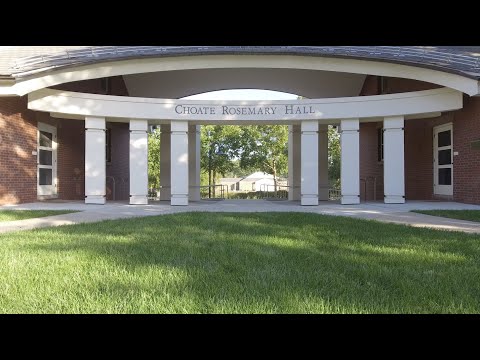
Choate Rosemary Hall is a coeducational, college-preparatory boarding and day school in Wallingford, Connecticut. Its summer offerings can give participants access to an academic setting and campus community distinct from a conventional day camp. Depending on the current catalog, students may find options focused on academic enrichment, credit-bearing study, skill development, or other structured learning experiences. The details are program-specific: course level, length, admission requirements, and residential eligibility may differ.
For families, “boarding” is more than a room on campus. It means considering supervision, meals, daily routines, student independence, and how residential life fits with the academic schedule. Those factors are as important as the course title when deciding whether a summer experience is appropriate.
Who May Benefit From a Residential Summer Experience?
A summer program at Choate may suit students who are ready to engage seriously with a subject and would benefit from a more immersive learning environment. Students considering boarding-school life can also use a residential session to experience shared routines and greater independence, although a summer program is not a guarantee of admission to Choate or another school.
- Beginner or exploratory students: Students who want to test an academic interest, build confidence, or try a subject outside their regular school curriculum.
- Intermediate learners: Students who already have a foundation and want more sustained practice, feedback, or challenge.
- Advanced students: Students seeking rigorous coursework or an opportunity to pursue a subject in greater depth, provided they meet the program’s prerequisites.
- Prospective boarders: Students who want to learn how they respond to a supervised residential routine away from home.
Age and maturity matter. A student may be academically ready but not yet comfortable managing belongings, following a schedule, asking adults for help, or sharing living space. Parents should discuss these practical expectations before applying, especially if this would be the student’s first overnight program.
Academic Options: Match the Course to the Goal
Course availability changes from year to year, so families should consult the current Choate summer catalog rather than rely on old listings or third-party summaries. When comparing options, look beyond the subject label. Review the course description, instructional level, expected workload, prerequisites, assessment methods, and whether the course is enrichment or carries academic credit. These distinctions shape the student’s experience and the value of the program.
For exploration and skill building
An enrichment course can be a strong choice when the student wants to discover a new interest without the pressure of earning formal credit. Families should check whether the course emphasizes discussion, projects, writing, lab work, performance, or independent study. A student who enjoys hands-on learning may thrive in a project-centered class, while another may prefer structured lessons and frequent feedback.
For academic acceleration or credit
If a student hopes to earn credit or move ahead in a subject, confirm exactly how the course is recognized. Ask whether credit is awarded, what documentation is provided, and whether the student’s home school will accept it. Credit policies are set by the receiving school, not necessarily by the summer program, so written confirmation from the school counselor is prudent before enrolling.
For advanced preparation
Students looking for advanced work should check prerequisites and placement procedures carefully. A familiar course name does not guarantee that the content matches a student’s current level. Ask how instructors assess readiness, how class sizes are managed, and what support is available if the material proves more demanding than expected.
Boarding, Daily Life, and Student Support
Residential life can make a summer program more immersive, but it also introduces practical questions. Families should confirm whether boarding is offered to their student’s age group and selected session, what supervision is provided, how meals and medical needs are handled, and what happens outside scheduled classes. The program office can explain current policies for evenings, weekends, visitors, transportation, and communication with parents.
Students should understand that a boarding schedule typically requires punctuality and active participation in community routines. Before departure, practice simple skills such as keeping track of medication according to program rules, organizing school materials, following a daily calendar, and speaking up when something is unclear. These habits make it easier to focus on learning and form positive relationships with peers.
Ask about accessibility and student support early. Families may need information about accommodations, dietary requirements, health documentation, counseling resources, or English-language support. The school can explain what it can provide and what documentation is required; families should not assume that services available during the academic year automatically apply to summer sessions.
How to Compare Program Formats
| Format | Potential advantages | Questions to confirm |
| Residential | Campus immersion, structured routines, peer community, and practice with independence. | Is housing available for this course and age group? What supervision, meals, and evening activities are included? |
| Day program | Academic experience without an overnight stay; may be suitable for local students or first-time participants. | What are arrival and pickup times? Is transportation provided, and are meals included? |
| Credit-bearing course | May support a specific academic plan if the receiving school accepts the credit. | What credit or transcript documentation is issued? Will the student’s school accept it? |
| Enrichment course | Can encourage exploration and skill development without making credit the main objective. | What will students create, practice, or learn? How is progress evaluated? |
This comparison is a planning framework, not a promise that every format is offered in a given year. Confirm the actual choices in the current program materials.
Application and Planning: A Practical Checklist
Summer enrollment can involve more than submitting an application. Programs may have different eligibility rules, application steps, payment deadlines, and documentation requirements. A careful process helps families avoid choosing a course that is unavailable, too advanced, or unsuitable for the student’s schedule.
- Define the goal. Decide whether the priority is academic enrichment, credit, a particular subject, or residential experience.
- Read the current course description. Check dates, duration, age or grade eligibility, prerequisites, and instructional level.
- Verify boarding availability. Ask whether the specific course and session include residential housing and what the total program fee covers.
- Check academic recognition. If credit matters, get the home school’s approval before paying a deposit.
- Review logistics and support. Confirm travel, arrival, health forms, medication policies, accommodations, and emergency contacts.
- Prepare the student. Discuss expectations for classroom participation, shared living, time management, and asking for help.
Families comparing Choate with other New England summer boarding schools should use the same criteria for each option: academic fit, residential supervision, student age, class structure, location, total cost, and the clarity of communication from program staff. A prestigious name alone does not determine whether a program is the best match.
Costs, Dates, and What to Verify
Tuition, boarding charges, session dates, and included services can change. Avoid budgeting from outdated blog posts or archived brochures. Use the current official Choate Rosemary Hall summer program information to confirm fees, deposit and refund policies, financial assistance, deadlines, and whether transportation or materials cost extra. If an expense is not clearly listed, ask the program office for an itemized estimate.
International families should also confirm travel documentation, arrival arrangements, airport transportation, insurance expectations, and the program’s policy on students traveling independently. These details can vary by session and participant age. A clear written answer is especially useful when coordinating flights or deciding who will meet the student.
Frequently Asked Questions
Does Choate Rosemary Hall offer summer boarding programs for high school students?
Choate offers summer learning opportunities, but residential availability depends on the current program, session, and eligibility requirements. Check the official summer program information and confirm directly whether the course your student wants includes boarding.
Can students earn high school credit in a Choate summer program?
Credit arrangements depend on the course. Confirm whether the specific class awards credit and what academic record is provided. Then ask the student’s home school, in writing, whether it will accept that credit toward graduation or placement.
What age or grade is eligible for Choate Rosemary Hall summer programs?
Eligibility is not necessarily the same across all offerings. Review the current program’s age, grade, and prerequisite requirements before applying, and contact the program office if the student’s grade level or school system does not fit the listed categories neatly.
What should families ask about Choate summer program dorm life?
Ask about supervision, room arrangements, meals, evening and weekend schedules, health services, communication with parents, and rules for leaving campus. Also confirm what personal items students should bring and how the school handles medical or dietary needs.

How do I choose between a Choate summer day program and boarding program?
Consider the student’s goals, commute, age, readiness for overnight independence, and the value of living on campus. A day option may be a good first step, while boarding may suit a student who wants a more immersive experience. Confirm that both formats are actually available for the desired course and year.
When should I apply for a Choate Rosemary Hall summer program?
Application timelines and enrollment capacity can change annually. Check the current calendar as early as possible, especially if the student needs boarding, financial assistance, travel planning, or academic approval for credit. Contact Choate directly for the latest deadlines and availability.
Conclusion
Choate Rosemary Hall summer boarding programs can be a meaningful option for students seeking focused learning, a residential campus experience, or a chance to explore academic interests in a structured setting. The most successful choice begins with a clear goal and careful attention to the details: course level, eligibility, boarding availability, supervision, cost, and credit policies. Because summer offerings evolve, rely on current official information rather than assumptions based on past years. With thoughtful preparation and a course that genuinely fits the student, a summer at Choate can offer both intellectual challenge and valuable experience navigating a boarding-school community.
