


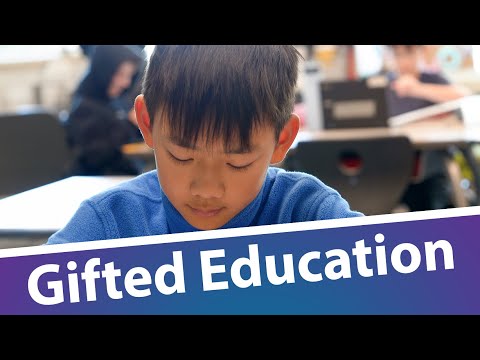
Choosing among the best gifted cluster elementary schools is less about finding a school with the most impressive label and more about finding the right daily learning environment for a particular child. A strong gifted cluster program brings advanced learners together for part of the school day, while keeping them connected to a broader elementary community. When it works well, students encounter appropriately challenging lessons, peers who share their curiosity, and teachers prepared to adjust instruction without narrowing a child’s opportunities.
There is no single national ranking of gifted cluster elementary schools. “Cluster” can describe different models from one district to another, and program quality depends on staffing, curriculum, student placement, and how consistently advanced learning needs are addressed. Use this guide to understand what to look for, compare schools fairly, and ask useful questions before choosing a program.
What Is a Gifted Cluster Elementary School?
A gifted cluster is an elementary classroom or school arrangement in which several students identified as gifted or advanced learners are grouped together with a teacher who is expected to provide differentiated instruction. Unlike a self-contained gifted classroom, a cluster classroom typically includes students with a range of learning profiles. The gifted students may receive advanced work in their regular classroom, join flexible groups for particular subjects, or attend enrichment sessions.
The exact structure varies. One school may cluster advanced readers within a general education class; another may provide subject-specific acceleration in mathematics and literacy. Some districts use formal gifted identification, while others place students based on multiple measures, such as achievement data, teacher observations, and demonstrated readiness.
How cluster grouping differs from other models
| Program model | Typical structure | What to verify |
| Gifted cluster | Several advanced learners learn together in a mixed-ability classroom. | Whether the teacher has training and time to differentiate instruction. |
| Self-contained gifted class | Students identified as gifted spend most or all of the day in a dedicated class. | How the curriculum is accelerated and how students remain connected to the wider school. |
| Pull-out enrichment | Students leave their regular classroom for scheduled enrichment. | How often sessions occur and whether missed core instruction is addressed. |
| Subject acceleration | A student works above grade level in one or more subjects. | How placement, progress, and transitions are managed. |
What Makes the Best Gifted Cluster Elementary Schools Stand Out?
The strongest gifted cluster programs do more than seat advanced learners together. They make sure that students regularly encounter work requiring deeper thinking, greater complexity, and meaningful independence. A program should be able to explain what students learn, how teachers adapt lessons, and how the school checks whether those adaptations are working.
Consistent, purposeful differentiation
Look for evidence that teachers adjust content, process, or the expected level of student work. Differentiation might include compacting material a student has already mastered, using richer texts, assigning open-ended investigations, or offering advanced problem-solving tasks. It should not mean simply giving early finishers extra worksheets or asking them to help classmates throughout the day.
Qualified teachers and practical support
Gifted education training can help teachers recognize asynchronous development: a child may reason at an advanced level while still needing age-appropriate support with organization, writing stamina, or social relationships. Ask how cluster teachers receive professional development, plan with specialists, and access resources when a student’s needs change.
Flexible grouping and regular progress checks
Students do not develop evenly across subjects. A child may need advanced mathematics but grade-level support in writing, or may be ready for a faster pace in reading. Effective schools use flexible groups and review student work and assessment data instead of treating gifted identification as a permanent, one-size-fits-all placement.
Belonging, wellbeing, and family communication
Academic challenge matters, but so do confidence, friendships, and emotional safety. The best-fit school listens to students, communicates with families, and provides appropriate support when perfectionism, frustration, or uneven development affects learning. A respectful classroom values curiosity and effort rather than treating high achievement as the only measure of a child’s worth.
How to Find and Compare Local Gifted Cluster Programs

Because school names and eligibility rules differ by district, begin with the local education authority rather than relying on a national “best schools” list. Search the district website for terms such as “gifted cluster program,” “advanced learning,” “highly capable,” “gifted and talented,” and “elementary acceleration.” Then confirm details directly with each school. A program page may describe district policy, not the services a particular classroom provides this year.
- Confirm the model. Ask whether the school offers cluster grouping, a self-contained class, subject acceleration, enrichment, or a combination.
- Understand eligibility. Request the current identification and placement process, including timelines, reassessment options, and how the district considers students with different backgrounds or learning needs.
- Ask about the student experience. Find out how often advanced learners work at an appropriately challenging level and whether grouping changes by subject.
- Review outcomes and support. Ask how educators monitor progress, respond when work is too easy or too difficult, and communicate with families.
- Visit if possible. Observe a lesson or speak with school staff about a typical week, rather than relying only on brochures or reputation.
When comparing schools, focus on concrete evidence: sample assignments, schedules, staff qualifications, curriculum materials, and examples of how instruction changes for students who have already mastered grade-level content. Public ratings and test scores can provide context, but they do not show whether a school offers suitable challenge or a supportive classroom culture for your child.
Questions to Ask During a School Visit
Specific questions help families move beyond broad promises such as “we meet every learner’s needs.” Consider asking:
- How many gifted or advanced learners are typically placed in each cluster classroom?
- What training or coaching do cluster teachers receive in gifted education and differentiation?
- How do teachers identify what a student has already mastered?
- Can students move ahead in a subject without changing their entire grade placement?
- What does advanced work look like in reading, mathematics, science, and writing?
- How frequently do staff review progress and adjust a student’s learning plan?
- How does the school support twice-exceptional students, multilingual learners, and students whose strengths may not appear in standardized scores?
- How are families involved when a child is under-challenged or struggling socially or emotionally?
Notice the quality of the answers. Strong responses include examples and describe a repeatable process. If the school cannot explain who is responsible for differentiation, when it occurs, or how its effectiveness is checked, ask for clarification before assuming the service is in place.
Choosing the Right Fit for Your Child
The best school is not necessarily the one with the most selective admission process. It is the one that can match your child’s current strengths and needs while leaving room for growth. Think about your child’s learning profile: preferred pace, subject-specific interests, tolerance for uncertainty, need for structure, and response to collaborative work. A child who thrives on long independent projects may value a different environment from one who benefits from frequent teacher check-ins.
For families beginning their search
Start by documenting what you observe at home and school. Keep examples of advanced interests, unusually complex questions, rapid mastery, or areas where your child still needs support. These details can help educators understand the whole learner and are more useful than relying on a label alone.
For families comparing program quality
Ask to see how the school handles both routine and advanced instruction. For example, if students master a mathematics unit early, does the teacher offer a deeper investigation or simply move them to extra practice? If a student reads far above grade level, are they offered appropriate texts and discussion, or only more pages? The answers reveal whether differentiation is part of instruction or an occasional add-on.
For families considering acceleration
Acceleration can be appropriate when a student is consistently ready for more advanced material. It may involve moving through a subject at a faster pace, joining an older grade for one subject, or skipping a grade. Decisions should consider academic readiness, social wellbeing, student perspective, and a plan for monitoring the transition. Ask whether the district follows established acceleration guidance and who coordinates the process.
Common Pitfalls to Avoid
- Choosing by reputation alone: A school’s past success does not guarantee that its current staffing or classroom model will meet your child’s needs.
- Assuming identification guarantees services: Confirm what support follows identification, how often it is delivered, and who provides it.
- Equating more work with more challenge: Repetition can increase workload without deepening learning. Look for complexity, choice, and advanced thinking.
- Overlooking classroom culture: A rigorous program should also support belonging, healthy risk-taking, and positive relationships.
- Ignoring the child’s perspective: Include your child in age-appropriate conversations about what helps them learn and feel connected.
Frequently Asked Questions
What are the best gifted cluster elementary schools near me?
The best local option depends on the district’s program design and your child’s needs. Search district websites for gifted cluster, advanced learning, and gifted and talented services, then contact schools to verify current classroom practices, teacher training, and eligibility requirements.
How does a gifted cluster classroom work in elementary school?
Several identified or advanced learners are grouped in a classroom with other students. The teacher is expected to differentiate instruction, often through flexible grouping, curriculum compacting, enrichment, or advanced assignments. Implementation varies, so ask what students experience during a typical week.
Is a gifted cluster better than a self-contained gifted classroom?
Neither model is automatically better. A cluster may provide a mix of peer groups and regular classroom community, while a self-contained class may offer more consistently advanced pacing. Compare the actual curriculum, teacher expertise, student wellbeing, and flexibility available at each school.
How are students identified for gifted cluster programs?
Districts set their own criteria. Identification may consider standardized assessments, classroom performance, portfolios, teacher input, and other evidence. Ask whether families can request evaluation, how multiple measures are used, and what options exist for students whose abilities may be missed by a single test.
What should parents look for in a gifted cluster teacher?
Look for a teacher who understands advanced learners, sets appropriately challenging goals, uses flexible grouping, and checks whether students are making progress. Strong teachers can describe specific examples of adapting lessons rather than relying on extra assignments as the main form of enrichment.
Can a child join a gifted cluster without a formal gifted label?
Some districts require formal identification; others use broader placement criteria or allow subject-based advanced learning. Policies differ, so ask the district about referral routes, evaluation timelines, reconsideration procedures, and whether classroom performance can support placement.
Conclusion
Finding the best gifted cluster elementary school means looking past rankings and asking how the program works for students day to day. Prioritize evidence of meaningful differentiation, knowledgeable teachers, flexible placement, regular progress checks, and a classroom culture where advanced learners can belong as well as excel. Verify local policies, visit schools when possible, and include your child’s perspective. A thoughtful match can provide the challenge, encouragement, and room to grow that help a young learner stay engaged and develop confidence.
