


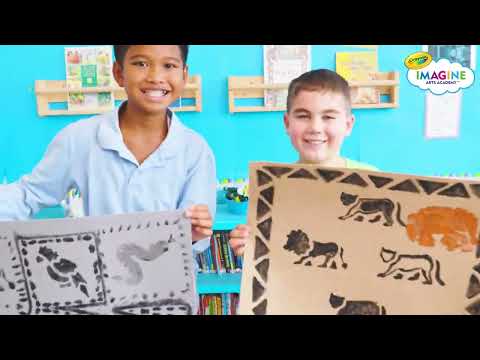

When the school day ends, children still have plenty of energy, questions, and ideas. Arts integrated after school care programs give that time a purpose: students make, perform, experiment, and explore while also building skills in reading, mathematics, science, communication, and collaboration. Rather than treating art as an occasional craft, these programs use visual art, music, drama, dance, and creative writing as meaningful ways to learn and connect. For families, they can offer a welcoming blend of supervised care and enriching activities. For educators, they provide a practical setting where curiosity and academic learning can reinforce one another.
What Are Arts Integrated After School Care Programs?
Arts integrated after school care programs combine dependable out-of-school-time supervision with arts-based learning. A student might plan a mural, rehearse a short scene, compose a rhythm, or design a model—and use that process to investigate a subject or develop transferable skills. The arts are not simply a reward after homework. They are part of how children ask questions, express understanding, and make sense of new ideas.
Quality programs balance structure with choice. A typical afternoon may include arrival and snack, a quiet homework or reading period, a guided arts project, active play, and time for reflection. The exact schedule depends on participants’ ages, staffing, space, and community priorities. Programs may operate in schools, community centers, libraries, museums, or nonprofit organizations, with teaching artists working alongside youth-development staff.
Arts integration and arts enrichment are not identical
Arts enrichment focuses on developing an art form: learning a dance sequence, practicing watercolor techniques, or playing an instrument. Arts integration connects artistic practice with another learning goal while preserving meaningful artistic choices. For example, children learning about local ecosystems might create a soundscape inspired by a wetland, research the animals they represent, and explain how their musical choices communicate the habitat’s character. Both approaches can be valuable; a strong program is clear about what it offers.
Why Creative After School Learning Matters
Afternoons are an important part of a child’s week, not merely a gap between school and home. A thoughtfully designed program can give students opportunities to build relationships, try unfamiliar activities, and experience success in different ways. Making a sculpture, revising a script, or learning a dance step can call for persistence and problem-solving that children then use in other settings.
Arts integrated activities can also make abstract ideas concrete. Students may represent fractions through rhythmic patterns, map a story’s plot as a sequence of images, or use role-play to explore how a historical figure faced competing choices. These connections can support understanding because learners encounter an idea through more than one mode: listening, moving, observing, discussing, and making.
Just as important, creative work offers varied ways to participate. A child who is hesitant to speak in a large group may contribute through drawing, percussion, set design, or a small collaborative task. This does not mean every activity suits every student. It means skilled facilitators offer multiple entry points and make room for different strengths, interests, and communication styles.
What a High-Quality Program Looks Like
A purposeful, age-appropriate curriculum
Activities should have a clear intention without becoming rigid. Younger children may benefit from short projects that emphasize sensory exploration, movement, and simple storytelling. Older students may be ready for longer investigations, peer feedback, independent planning, and public presentation. In either case, the activity should leave room for experimentation. A craft with only one correct result may be enjoyable, but it offers less opportunity for personal interpretation than a project with genuine choices.
Qualified teaching artists and caring staff
Teaching artists bring knowledge of a discipline; after-school staff bring experience with supervision, relationships, routines, and child development. These roles work best together. Ask how instructors are prepared to support different ages, respond to conflict, manage materials safely, and adapt activities for children with disabilities or varied language backgrounds. Strong programs also set clear expectations for pickup, attendance, emergency procedures, and communication with caregivers.
Access, inclusion, and cultural relevance
A program should not assume that every family has the same schedule, resources, transportation, or prior experience with the arts. Useful features include affordable fees or scholarships, accessible spaces, translated information where appropriate, and materials that do not require children to purchase supplies. Culturally responsive programming invites students to bring their own stories and traditions into the room without expecting any child to represent an entire culture.
Examples of Arts Integration After School

The most engaging projects connect a real question with an artistic process. The following examples can be adjusted for age, time, available materials, and community context:
- Storytelling and literacy: Students adapt a folktale or original story into a short performance, practicing sequence, dialogue, character, and revision.
- Music and mathematics: Children create repeating rhythms, compare durations, and explore patterns, fractions, and counting through percussion.
- Visual art and environmental science: Students observe leaves, insects, or neighborhood trees, then use drawing or collage to communicate details from their investigation.
- Drama and social studies: Small groups improvise a scene about a community decision, consider different perspectives, and explain the choices their characters make.
- Dance and physical literacy: Learners use movement to interpret shapes, levels, and directions while building coordination and group awareness.
These projects work best when students have time to plan, make, revise, and talk about their work. The finished product matters, but the learning is also in the decisions along the way: What should we change? What do we want an audience to notice? Which materials communicate our idea most clearly?
How to Choose an Arts Integrated After School Program
Families comparing after-school care can look beyond a program’s name or a list of activities. Ask for concrete examples of what children do and how staff support them. A program may describe itself as creative, but the daily experience could range from open-ended exploration to instructor-led classes. Neither is automatically better; the right fit depends on the child’s interests and the family’s care needs.
- Check practical arrangements: Confirm operating hours, school pickup or transportation, holiday schedules, fees, snack provisions, and authorized pickup rules.
- Ask about the daily routine: Find out how the program balances homework, arts activities, outdoor play, rest, and child-directed time.
- Look at staff preparation: Ask who leads activities, what training they receive, and how staff handle behavior, allergies, and emergencies.
- Explore inclusion: Discuss accessibility, accommodations, language support, financial assistance, and how children can participate at different skill levels.
- Request examples of student choice: Ask whether children help choose themes, materials, roles, or ways to present their work.
- Observe the environment if possible: Notice whether materials are accessible, expectations are clear, and children seem engaged without being pressured to produce identical results.
| Program feature | What to look for | Why it matters |
| Arts activities | Regular projects with room for student decisions | Shows that creative learning is a real part of the schedule |
| Academic connection | Clear links to inquiry, literacy, math, science, or social studies | Helps explain how the program supports learning beyond supervision |
| Staffing | Prepared adults, clear responsibilities, and consistent communication | Supports safety, relationships, and responsive instruction |
| Access | Reasonable costs, accommodations, and welcoming enrollment practices | Reduces barriers to participation |
Planning and Improving a Program: Practical Recommendations
For schools and community organizations, a sustainable program begins with listening. Ask children what they want to make, invite caregivers to share scheduling or access needs, and consult educators about topics students are studying. Partnerships with libraries, museums, arts organizations, and local artists can expand expertise, but responsibilities should be agreed upon in advance. Clarify who supplies materials, communicates with families, supervises transitions, and evaluates the experience.
Use a simple planning framework for each project:
- Start with a compelling question. Make it specific enough to investigate and open enough to invite different answers.
- Choose an artistic process. Decide whether students will compose, perform, design, build, write, move, or combine forms.
- Name the learning goals. Identify the concepts and skills children should explore, without turning the activity into a worksheet disguised as art.
- Build in choice and revision. Offer options for materials, roles, or presentation, and allow time to improve work after feedback.
- Reflect and document. Invite students to explain what they tried, what changed, and what they would do next. Use photos, audio, journals, or displays with appropriate family permissions.
Evaluation should focus on more than attendance or polished performances. Useful indicators include participation, student feedback, project completion, sense of belonging, caregiver communication, and whether children have access to meaningful choices. Short reflections can reveal what a final display cannot: a student may be proud of taking a creative risk even if the finished piece is still developing. Avoid promising that an arts program will automatically raise test scores; describe its goals honestly and use evidence that fits the program’s design.
Common Challenges and How to Address Them
Limited time and budgets are common constraints. Programs can respond by choosing reusable materials, partnering with community organizations, and designing projects that work with inexpensive supplies. Recycled cardboard, paper, found sounds, and simple movement activities can support rich learning when the artistic question is well planned. Cost-saving should not mean relying on disposable, preassembled crafts that leave little room for student thinking.
Another challenge is balancing homework with enrichment. A clear routine helps children understand when quiet work happens and when creative activities begin. Families should ask how staff support homework without promising tutoring if that service is not provided. Likewise, programs should avoid packing every minute with adult-led instruction. Children need transitions, movement, and unstructured time to build friendships and recover from a full school day.
Finally, participation can be uneven if activities assume prior training or confidence. Offer beginner-friendly introductions, flexible roles, and ways to contribute without performing publicly. A student might build a set, select music, document a project, or work in a small group. These options preserve meaningful participation while respecting individual comfort.
Frequently Asked Questions
What should I look for in arts integrated after school care programs near me?
Compare the daily schedule, staff qualifications, safety procedures, cost, transportation, and the quality of arts activities. Ask for specific project examples and find out whether children have choices in how they create and share their work. If possible, visit during program hours to see how staff interact with students.
How are arts integrated after-school programs different from art classes?
An art class usually concentrates on learning an art form or technique. An arts integrated after-school program connects artistic practice with other learning goals, such as literacy, science, or social studies, while still giving art a meaningful role. Some programs combine both approaches, so ask how the curriculum is structured.
Are creative after-school programs suitable for children with no arts experience?
Yes, if activities are designed for beginners and offer different ways to participate. Children do not need to arrive with drawing, music, dance, or performance skills. Look for supportive instruction, flexible roles, and an emphasis on exploration rather than comparison or competition.
Can arts integrated after-school care support homework and academic learning?
Many programs include a dedicated homework or reading period, while arts projects may reinforce academic ideas through making and discussion. However, the amount of homework help varies. Ask whether staff supervise independent work, provide tutoring, or simply offer a quiet space so expectations are clear.

How can a school start an arts integration after-school program on a limited budget?
Begin with a small pilot, use reusable or donated materials, and partner with a local library, community arts group, or teaching artist. Set clear learning and care goals before purchasing supplies. Gather feedback from students and families, then expand the schedule or partnerships based on what the pilot shows.
A Creative, Supportive End to the School Day
Well-designed arts integrated after school care programs do more than fill the hours between dismissal and pickup. They create a reliable place for children to explore ideas, practice skills, build relationships, and express what they notice about the world. The strongest programs combine thoughtful supervision with skilled, inclusive arts learning; they make room for curiosity without losing sight of safety, access, and family needs. When choosing or developing a program, look for clear routines, meaningful student choice, capable staff, and projects that connect creativity with real learning. Those foundations help turn after-school time into an experience children can look forward to—and a valuable part of their development.
