


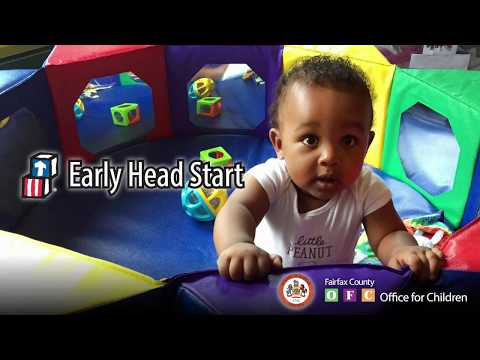
Families searching for the best Head Start elementary schools are often looking for a school that can support a child from early learning through the first years of elementary education. One important distinction makes that search easier: Head Start is a federally funded early childhood program, not an elementary school. Head Start and Early Head Start generally serve eligible children from birth through age five, while elementary schools provide kindergarten and later grades. The strongest choice is usually a high-quality Head Start program paired with an elementary school that makes the transition welcoming, consistent, and responsive to your child’s needs.
What “Best Head Start Elementary Schools” Really Means
There is no single national ranking of Head Start elementary schools. Head Start programs operate through local organizations, including school districts, community nonprofits, and other providers. Their locations, age ranges, schedules, eligibility rules, and classroom offerings differ. Elementary schools are evaluated separately, often using measures such as state assessment results, attendance, school climate, and family feedback.
For parents, the practical question is not simply “Which school is best?” It is “Which early learning program and elementary school will work well together for my child?” A strong match offers nurturing teachers, safe and accessible facilities, dependable family communication, and a thoughtful plan for moving into kindergarten. It also supports children who need language services, disability accommodations, health care coordination, or additional help adjusting to a classroom routine.
Understand Head Start and Early Head Start
Head Start supports children’s development through early education and a broader set of services. Depending on the local program, families may receive support related to health screenings, nutrition, social-emotional development, disabilities, and connections to community resources. Family engagement is part of the model: caregivers are partners in children’s learning, not just recipients of school updates.
- Early Head Start generally serves pregnant people, infants, and toddlers up to age three.
- Head Start preschool generally serves children ages three to five who are not yet eligible for kindergarten.
- Elementary school usually begins with kindergarten, although the minimum age and enrollment rules vary by state and district.
- Head Start-to-kindergarten transition connects preschool learning with the expectations, staff, and routines of the next school setting.
Eligibility is commonly based on family income and other circumstances, but program rules and available places vary. Some programs prioritize children experiencing homelessness, children in foster care, or children with disabilities. Contact the local provider to learn its current eligibility criteria, application deadlines, required documents, and waitlist process. Applying early is sensible because enrollment may be limited.
How to Evaluate a Head Start Program and Its Elementary Partners

1. Look for safe, consistent, responsive care
Ask how staff supervise children indoors and outdoors, manage authorized pickup, handle illness and emergencies, and communicate incidents to caregivers. Observe whether children appear engaged and comfortable. A useful visit should give you time to see a classroom in operation, ask questions, and understand what a typical day looks like. A polished brochure matters less than warm interactions, clear routines, and a willingness to explain how the program responds when a child needs help.
2. Examine teaching and child development
Preschool should build language, early literacy, curiosity, social skills, and independence through age-appropriate activities. Ask how teachers support children at different developmental levels and how they share observations with families. Look for a balance of guided learning, play, movement, conversation, and rest—not a day built solely around worksheets or screen time. Ask whether lesson plans reflect children’s home languages and cultures.
3. Check disability, health, and language supports
Ask how the program identifies developmental concerns, coordinates referrals, and works with families and specialists. If your child has an individualized education program (IEP), an individualized family service plan (IFSP), a medical condition, or a language-learning need, ask who coordinates support and how plans are shared with the receiving school—with your consent. A useful transition plan identifies needed services early instead of leaving families to rebuild support after kindergarten begins.
4. Assess family partnership and practical access
Strong programs make communication understandable and two-way. Ask whether meetings, translated materials, interpretation, or flexible communication options are available. Consider transportation, hours, meals, school calendar, closures, and the time required to reach the site. A high-quality program may not be the best fit if its schedule makes regular attendance unrealistic. Ask how absences are handled and who can help if a family’s circumstances change.
Compare Options with a Consistent Checklist
Use the same questions for each Head Start provider and elementary school. This makes it easier to compare what matters to your family rather than relying on reputation alone.
| What to compare | Questions to ask | Why it matters |
| Learning environment | How do teachers support language, play, early math, and social development? | Shows whether the day supports whole-child learning. |
| Transition planning | Do Head Start staff coordinate with kindergarten teachers or the receiving school? | Helps children encounter familiar expectations and a clear next step. |
| Family communication | How often do staff share updates, and in what languages or formats? | Caregivers can reinforce learning and raise concerns promptly. |
| Student services | How are health, disability, and language needs supported? | Clarifies whether essential help can continue into kindergarten. |
| Daily logistics | What are the hours, transportation options, meal arrangements, and closure dates? | Practical access strongly affects consistent attendance. |
| School climate | How do staff build belonging and respond to behavior or conflict? | A safe, respectful environment supports learning and confidence. |
Find and Verify Local Programs
Begin with the Head Start program locator or contact your local Head Start agency. Your school district’s early childhood office, family resource center, public library, or community services office may also help identify nearby options. For elementary schools, consult the district’s official enrollment pages and state education agency. Confirm details directly with each provider: online directories can be out of date, and boundaries, openings, transportation, and enrollment rules can change.
When comparing elementary schools, look beyond one test-score number. Review multiple years of state report-card information when available, and consider attendance, student growth, teacher stability, class offerings, student support services, and school climate. Ask how the school welcomes incoming kindergarteners and what families can do before the first day. Scores can provide context, but they do not tell you whether a particular classroom is a supportive match for your child.
Make the Head Start-to-Kindergarten Transition Easier
A successful transition is a process, not a single orientation day. Start conversations several months before kindergarten begins. Ask the preschool teacher what routines, strengths, interests, and supports may help your child. Find out what records the elementary school needs, how to authorize sharing them, and when to submit enrollment documents. Keep copies of relevant health information and educational plans, and ask whom to contact if services are not in place when school starts.
- Confirm kindergarten eligibility. Check your state and district’s age cutoff, enrollment window, required forms, and boundary rules.
- Visit the receiving school. Ask about classroom routines, arrival and dismissal, meals, transportation, and family communication.
- Prepare your child gradually. Read books about starting school, practice simple routines, and talk positively about meeting new adults and classmates.
- Share useful information. With permission, coordinate relevant learning and support information between the preschool and elementary teams.
- Follow up after school begins. Check in with the teacher, share concerns early, and ask how your child is adjusting socially and academically.
Common Mistakes to Avoid
- Assuming every Head Start site feeds into a particular elementary school. Confirm the district boundary and whether preschool-to-school coordination actually occurs.
- Choosing based on a single rating. Ratings may reflect limited measures and may not capture classroom relationships, services, or your family’s practical needs.
- Waiting until summer to ask about enrollment. Early contact gives you more time to understand eligibility, gather paperwork, and explore alternatives if a preferred site is full.
- Overlooking the child’s experience. A child’s comfort, communication style, interests, and support needs are relevant to fit, alongside program quality.
- Expecting services to transfer automatically. Ask what information can be shared, what consent is required, and whether the receiving school needs its own evaluation or documentation.
Expert Tips for Choosing with Confidence
Use a short scorecard after every visit: rate communication, classroom environment, transition support, services, and logistics, then note one strength and one unresolved question. Ask for specific examples rather than general promises. For example, instead of asking whether teachers “support families,” ask how a caregiver receives a learning update, raises a concern, or gets help in their preferred language.
Also distinguish a program’s written policy from what families experience. Ask how often families meet with staff, who coordinates referrals, and how the program handles a child who is struggling with separation or classroom routines. If possible, speak with current families, while remembering that one family’s experience is useful context—not a guarantee of yours. The best choice is the one that combines dependable quality with a realistic, respectful fit for your child and household.
Frequently Asked Questions

Are there elementary schools that are part of Head Start?
Head Start is an early childhood program rather than an elementary-school grade system. Some school districts operate both Head Start classrooms and elementary schools, and local staff may coordinate transitions. Ask each provider whether it has a formal partnership with the elementary school your child is likely to attend.
How do I find the best Head Start program near me?
Use the official Head Start locator or contact your local agency, then verify openings and eligibility directly. Visit programs when possible and compare teaching, safety, family communication, services, transition planning, and practical access rather than relying on a ranking alone.
Can my child attend Head Start and then a different elementary school?
Often, yes. Head Start enrollment and elementary-school attendance are separate decisions, though district boundaries and local enrollment rules apply. Confirm where your child is eligible to enroll and ask how records and support plans can be coordinated if the schools are not affiliated.

What should I ask about a Head Start kindergarten transition plan?
Ask when coordination begins, whether children visit the elementary school, how teachers share transition information with family consent, and who helps maintain disability, language, or health supports. Also ask what caregivers need to do to complete kindergarten enrollment on time.
Does Head Start guarantee kindergarten placement at a partner school?
Not necessarily. A partnership may support communication and familiarization without guaranteeing admission. District boundaries, application requirements, school capacity, and enrollment rules determine placement. Get the policy from the district or school in writing if placement is important to your decision.
When should I apply for Head Start and elementary school?
Contact local providers as early as you can, because application timelines and available places vary. Ask separately about Head Start enrollment and kindergarten registration; completing one process does not automatically complete the other. Keep a record of deadlines, required documents, and follow-up contacts.
Conclusion
The best Head Start elementary-school pathway is not necessarily the one with the most impressive name or highest rating. It is a well-supported early learning experience followed by a welcoming elementary school, with clear communication between educators and caregivers. Compare programs using consistent questions, verify local enrollment details, and plan the kindergarten transition early. When a child’s learning needs, family circumstances, and school support align, the move from Head Start to elementary school can feel more secure—and give the child a stronger foundation for the years ahead.
