


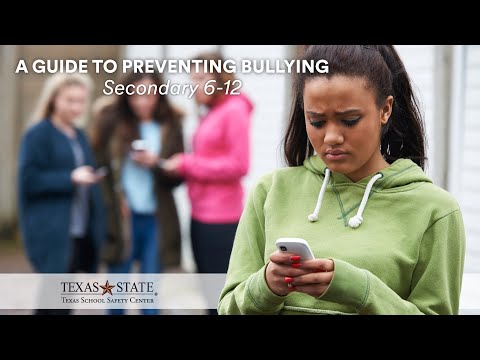
Choosing an accelerated algebra program means looking closely at more than course pace, placement tests, and graduation requirements. Families also need to understand how the school protects students, responds to bullying, and supports a respectful learning environment. Whether algebra is offered in a middle school, high school, online academy, or specialized accelerated program, safety policies affect whether students can focus, participate, and make progress. This guide explains what to look for in an accelerated algebra school safety and bullying policy, how to evaluate its procedures, and what students and caregivers can do when a concern arises.
What an Accelerated Algebra School Safety and Bullying Policy Should Cover
A strong policy is more than a statement that bullying is not allowed. It explains expected conduct, how to report concerns, who investigates, what support is available, and how the school prevents retaliation. In an accelerated algebra setting, those details matter because students may be younger than classmates, placed in unfamiliar peer groups, or under pressure to keep up with demanding coursework.
Schools may use terms such as bullying prevention policy, student conduct code, harassment policy, digital citizenship rules, or safe-school plan. The names differ, but families should be able to find clear information about:
- Prohibited behavior, including repeated intimidation, threats, targeted humiliation, and discriminatory harassment.
- Reporting options for students, caregivers, staff, and witnesses.
- How the school assesses immediate safety and investigates reports.
- Consequences that are proportionate, consistent, and aligned with applicable law and school rules.
- Support for affected students, including counseling, academic accommodations, and follow-up.
- Privacy protections and safeguards against retaliation.
Policies should distinguish bullying from a one-time disagreement without dismissing either. A single conflict may still require staff intervention, especially when it involves threats, physical harm, or discriminatory language. A school can address harmful conduct even when it does not meet the formal definition of bullying.
Why Safety Matters in Accelerated Algebra Programs
Accelerated algebra compresses or advances learning objectives. Students may cover concepts such as linear equations, functions, inequalities, and systems earlier than their peers. That academic challenge can be motivating, but it can also make students feel conspicuous. A student who is younger, new to the school, or perceived as a “math expert” may become a target of teasing or social exclusion. Another student may hesitate to ask questions because classmates treat mistakes as proof that they do not belong.
Psychological safety is therefore part of academic readiness. Students learn more effectively when they can make an error, request clarification, and work with classmates without fear of ridicule. A well-run algebra classroom sets norms for respectful disagreement, constructive feedback, and collaboration. Teachers should address behavior that disrupts learning, whether it occurs during group problem-solving, hallway transitions, tutoring, or class messaging platforms.
Safety also includes physical and digital environments. In-person programs need clear supervision expectations in classrooms, common areas, and transportation where relevant. Online or blended algebra courses need rules for video meetings, discussion boards, direct messages, shared documents, and school-managed learning platforms. A policy that covers only the classroom may leave important gaps.
How to Evaluate a School’s Bullying Prevention Policy
Look for clear definitions and examples
Useful policies define bullying in plain language and give examples students can recognize. These might include repeated insults about a student’s ability, spreading rumors in a class group chat, deliberately excluding someone from a required project, or using a shared algebra workspace to post humiliating comments. The policy should also address cyberbullying and explain whether off-campus conduct may be investigated when it substantially affects school participation or student safety.
Check whether reporting is accessible
Students are more likely to seek help when they know where to go and have more than one way to report. Look for a named staff contact, a counselor or administrator, a confidential reporting option where available, and instructions for urgent situations. A policy should not imply that a student must confront the person involved or prove the behavior before reporting it. Witnesses should also know how to share concerns responsibly.
Understand the investigation and follow-up process
Families should be able to find out who receives reports, how promptly the school conducts an initial safety check, and how it communicates next steps. The school may not be able to disclose private disciplinary details about another student, but it should explain what support and safety measures it can provide to the reporting student. Follow-up matters: a report should not disappear after one conversation if the behavior continues.
Questions Families Should Ask Before Enrollment

When comparing accelerated algebra schools, ask specific questions rather than relying on a general assurance that the school takes safety seriously. For example:
- Where can we read the current student handbook and bullying prevention policy?
- Who is the designated contact for a bullying or harassment concern?
- How are younger students supported when placed in accelerated classes with older students?
- How does the school supervise peer collaboration, tutoring, and online class discussions?
- What steps are taken to prevent retaliation after a student or caregiver reports a concern?
- How does the school coordinate academic support if a safety concern affects attendance or participation?
Pay attention to how the school answers. A thoughtful response describes a process, responsible staff roles, and student support—not just a promise to “handle it.” Ask whether the policy is reviewed regularly and whether students receive age-appropriate instruction on reporting, respectful communication, and digital conduct.
What to Do If Bullying Occurs
If a student says they are being targeted, listen calmly and take the concern seriously. Avoid asking why they did not report it sooner or suggesting they simply ignore it. Write down what happened, when and where it occurred, who was present, and whether it has happened before. Save relevant messages or screenshots without circulating them among other students. Do not edit or publicly repost material that could expose the student further.
Next, contact the school using the process in its policy. Describe observable facts, explain any immediate safety concern, and state what support would help the student attend and participate. Keep a record of dates, staff contacts, and agreed follow-up steps. If the first contact does not resolve an ongoing concern, use the school’s escalation path, such as contacting a principal, program director, district office, or governing body.
- Address immediate danger first by contacting school staff or emergency services as appropriate.
- Document incidents and preserve relevant evidence securely.
- Submit a clear report through the school’s stated channel.
- Ask what short-term steps will protect the student while the concern is reviewed.
- Schedule a follow-up and report any recurrence or retaliation.
Families should avoid confronting another student directly or posting accusations online. Those actions can intensify conflict, compromise privacy, and make a fair review harder. If the situation involves threats, physical violence, discriminatory harassment, or self-harm concerns, communicate the urgency explicitly and seek appropriate professional help.
Comparing Policy Quality: Strong Practices and Warning Signs
| Policy area | Strong practice | Warning sign |
| Reporting | Multiple clear ways to contact trained staff | Students are told to handle it themselves |
| Response | Defined review, safety check, and follow-up | No explanation of what happens after a report |
| Online conduct | Rules cover school platforms and relevant digital behavior | Cyberbullying is not addressed |
| Student support | Academic and wellbeing support are considered | Only punishment is discussed |
| Privacy | Information is shared appropriately and retaliation is addressed | Reports are handled publicly or informally |
A table cannot replace reading the full policy. Check the school’s local procedures, definitions, and legal obligations, which vary by location and school type. For a public school, district policies and applicable state requirements may also apply; private and online programs may have different governance structures.
Expert Tips for a Safer, More Inclusive Math Classroom
Prevention works best when it is built into everyday teaching. Algebra teachers can establish group-work norms, rotate collaboration roles, and model how to critique reasoning without belittling the person who made a mistake. For example, “Can you explain how you got that value?” invites mathematical discussion; “That’s stupid” shuts it down. Teachers should intervene consistently when jokes, labels, or exclusion become patterns.
Schools can also make the accelerated pathway more transparent. Explain placement criteria, how students can seek help, and how to move between course levels when appropriate. This reduces the idea that students must prove their worth through perfect performance. Offer tutoring and counseling without stigma, and ensure students know that asking for support is compatible with advanced learning.
For online algebra instruction, establish expectations before the first live session. Explain how to report inappropriate chat messages, how shared workspaces are moderated, and when students should use official communication channels. Staff should avoid relying on students to monitor or police one another. Clear adult responsibility is essential.
Frequently Asked Questions
What should an accelerated algebra school bullying policy include?
It should define prohibited conduct, explain how students and caregivers report concerns, describe investigation and follow-up steps, address cyberbullying and retaliation, and identify available safety, counseling, and academic supports.
Does a school have to respond to bullying in an online algebra class?
Schools should explain how their rules apply to school-managed platforms and online instruction. The exact scope depends on the program and applicable law, but harmful conduct that interferes with participation or safety should be brought to the school’s attention.
How can parents report bullying in an accelerated math program?
Use the school’s designated reporting channel, provide dates and specific examples, preserve relevant messages, and ask for a follow-up plan. If the concern involves immediate danger, state that clearly and seek urgent assistance.
Can a student be bullied for being younger in an accelerated algebra class?
Yes. Age differences, academic placement, and perceived ability can become sources of teasing or exclusion. Schools should supervise peer interactions and address targeted behavior under their conduct and anti-bullying procedures.
Student privacy may limit what staff can disclose about consequences for another student. Families can still ask what steps will protect their child, what supports are available, and when the school will check whether the behavior has stopped.
How can schools prevent bullying while maintaining high academic standards?
Schools can preserve rigorous algebra instruction while setting respectful classroom norms, providing accessible help, responding consistently to misconduct, and making it safe to ask questions and learn from mistakes.
Conclusion
An effective accelerated algebra school safety and bullying policy connects prevention with a practical response. It gives students clear ways to seek help, prepares staff to act, protects privacy, and recognizes that wellbeing and academic progress are linked. Families can make a stronger enrollment decision by reviewing the written policy, asking focused questions, and checking whether the school’s answers describe real procedures. In a safe algebra classroom, students can take intellectual risks, work through challenging problems, and build confidence without fear of being targeted.
