


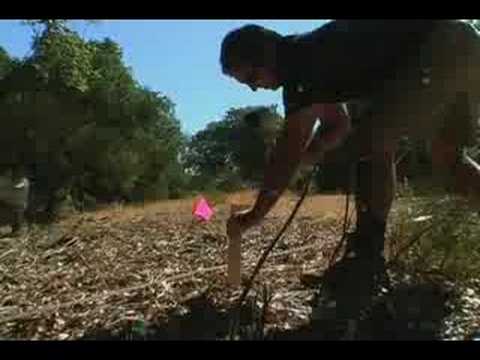
Searching for “adolescent Erdkinder Montessori schools near me” usually means you want more than a school directory. You are looking for a thoughtful, practical education for a young person who is ready for greater independence, meaningful work, and a stronger connection to the world beyond a conventional classroom. In Montessori education, Erdkinder describes an approach for adolescents—typically ages 12 to 18—that connects academic study with purposeful work, community life, and the natural environment. Programs vary widely, so finding the right one takes more than checking whether a school uses the Montessori name. This guide explains what to look for, how to compare local options, and which questions can help your family make a confident decision.
What “Erdkinder” Means in Adolescent Montessori Education
Erdkinder is a German term often translated as “children of the land.” Maria Montessori used it to describe an educational vision for adolescents: young people learn through intellectually serious study and meaningful participation in a community, rather than through academic instruction alone. The land is important in this vision, but an Erdkinder program does not have to be a farm. Its defining feature is the integration of learning, work, independence, and social responsibility.
In practice, adolescent Montessori education may combine seminar discussions, interdisciplinary projects, individual study, practical work, entrepreneurship, outdoor learning, and shared responsibility for the learning community. A student might study ecology while monitoring a local stream, develop financial literacy through a student-run enterprise, or explore history through research and debate. Strong programs make clear connections between these experiences and rigorous academic goals.

What to Expect from an Erdkinder Program Near You
There is no single curriculum or campus model used by every adolescent Montessori school. Some programs serve ages 12 to 14, while others continue through high school. Some are located on farms or in rural settings; others operate in urban or suburban communities and use local parks, businesses, museums, and community organizations as learning environments.
Core features to look for
- Purposeful work: Students take on responsibilities that contribute to the class or wider community, rather than completing activities that feel disconnected from real life.
- Academic rigor: Teachers help students build skills in mathematics, language arts, science, history, and other subjects, with clear expectations and appropriate assessments.
- Increasing independence: Adolescents learn to plan, manage deadlines, reflect on progress, and seek support when needed.
- Community participation: Students practice collaboration, communication, conflict resolution, and respectful decision-making.
- Connection to the environment: Outdoor study, gardening, conservation, or place-based projects may help students understand ecological and economic relationships.
- Prepared adults: Guides understand adolescent development, Montessori principles, and how to balance freedom with structure and accountability.
Ask schools to show how these features appear in an ordinary week. A compelling philosophy statement is useful, but the daily schedule, student work samples, assessment practices, and examples of completed projects reveal how the program actually operates.
How to Find Adolescent Erdkinder Montessori Schools Near You
Start with a broad search such as “Montessori middle school near me,” “Montessori high school near me,” or “adolescent Montessori program in your city.” Add terms such as “Erdkinder,” “farm school,” “outdoor education,” or “Montessori adolescent program” to find schools that may not use the Erdkinder label prominently. Search results can be incomplete, so confirm details directly with each school.
- Define your search area. Decide how far your family can reasonably travel each day and whether public transportation, school transportation, or carpooling is available.
- Check the age range. Verify that the school serves your child’s current age and offers a realistic pathway for the next few years.
- Review the actual program. Look for examples of academic work, community projects, outdoor learning, and student responsibilities—not just general claims about independence.
- Arrange a visit. Observe students and adults during a normal school day if possible. Notice whether students are engaged, whether expectations are clear, and how guides respond when students need help.
- Ask about the transition ahead. If your child may move to a traditional high school or college-preparatory program, ask how the school supports that transition and documents academic progress.
Directories from Montessori organizations can help identify schools, but directory inclusion is not a substitute for a family’s own evaluation. Accreditation, membership, teacher preparation, and state requirements differ. Ask what each credential means and whether it applies to the specific adolescent program you are considering.
Comparing Schools: Questions That Reveal Program Quality
When comparing adolescent Montessori schools near you, focus on how well the school’s approach fits your child and family. The best option is not necessarily the one with the largest campus or the most impressive-sounding projects. It is the one that combines a supportive community, credible academics, prepared educators, and a practical daily experience your family can sustain.
| Area | Questions to ask | What a useful answer includes |
| Academics | How do students learn and demonstrate progress in core subjects? | Clear learning goals, regular feedback, work samples, and a process for addressing gaps. |
| Work and projects | What meaningful work do students do, and how is it connected to learning? | Specific examples with student responsibility, reflection, and academic links. |
| Guidance | How do adults balance student choice with boundaries and follow-through? | Consistent expectations, individual mentoring, and support for planning and accountability. |
| Well-being | How does the school respond to social conflict, stress, or learning differences? | Defined support processes, communication with families, and appropriate referrals when needed. |
| Practical fit | What are the schedule, tuition, transportation, and financial aid options? | Transparent costs, realistic travel details, and clear information about available assistance. |
| Next steps | How do graduates transition to high school, college, or other pathways? | Examples of graduate pathways and help with records, applications, and academic planning. |
Understanding Academic Rigor, Assessment, and High School Readiness
Families sometimes wonder whether hands-on, project-based Montessori education can prepare adolescents for high school, college, or careers. A well-designed program should be able to explain how it teaches essential content and skills, not simply say that students learn naturally through experience. Ask how students build writing fluency, mathematical understanding, research skills, scientific reasoning, and the ability to prepare for and complete longer assignments.
Assessment may include portfolios, presentations, written work, demonstrations, teacher feedback, and formal tests. The format can differ from a conventional school, but families should still receive meaningful evidence of progress. Ask how the school reports achievement, identifies learning needs, and supports students who need more structure or challenge. If your child may transfer, find out how the school provides transcripts, course descriptions, recommendations, and other records requested by the receiving school or college.
Is an Erdkinder Montessori School Right for Your Adolescent?
An adolescent Montessori program may appeal to a young person who wants greater responsibility, enjoys practical projects, or learns well by connecting ideas to real-world questions. It may also suit students who benefit from close relationships with adults and a collaborative learning community. However, the label alone cannot predict whether a student will thrive. A school visit, honest conversation with your child, and a clear look at daily expectations matter.
Ask your child what they think about the school’s routines, responsibilities, outdoor activities, and learning style. Some adolescents welcome flexibility; others feel more comfortable with frequent reminders and a highly predictable schedule. A strong program should not expect students to manage everything independently from day one. It should teach organization, time management, and self-advocacy gradually, with suitable guidance.
Practical family considerations
- Compare total costs, including tuition, transportation, meals, fieldwork, and required materials.
- Ask whether financial aid, scholarships, payment plans, or public-school options are available.
- Clarify the school calendar, daily schedule, attendance expectations, and communication practices.
- Discuss how the program accommodates learning differences, health needs, and accessibility requirements.
- Ask how students handle weather, outdoor work, safety procedures, and off-campus activities.
Expert Tips for Choosing Among Local Montessori Adolescent Programs

Use the admissions process to learn how the school works, not only to make a good impression. Request a sample weekly schedule and examples of student work from several subjects. Ask to speak with current families and, where appropriate, students. Their experiences can help you understand how the school’s stated philosophy translates into everyday life.
During a visit, look for a balance of freedom and responsibility. Students should have opportunities to make decisions, but adults should be present and engaged. Notice whether students can explain what they are working on and why it matters. Ask how the school responds when a student does not complete work, struggles socially, or needs additional academic support. Thoughtful answers should be specific, respectful, and consistent with the school’s stated values.
Finally, treat “Erdkinder” as a useful search term, not a guarantee of quality. A program can offer meaningful adolescent Montessori education without using the word, while another may use it without fully implementing its principles. Evaluate the people, practices, student experience, and academic planning behind the name.
Frequently Asked Questions
How can I find an adolescent Erdkinder Montessori school near me?

Search for adolescent Montessori, Montessori middle school, Montessori high school, and Erdkinder programs alongside your city or region. Check school websites, Montessori directories, and local parent networks, then contact schools to confirm age range, current enrollment, location, and program details.
What ages do adolescent Montessori Erdkinder schools serve?
Many adolescent Montessori programs serve students around ages 12 to 15, while some continue through age 18. The exact range varies by school, so ask whether the program serves middle school, high school, or both and how students move between levels.
Do Erdkinder Montessori schools have to be located on a farm?
No. A farm can provide a rich setting for practical work and environmental study, but it is not required. Urban and suburban programs may connect students with gardens, parks, local organizations, businesses, and community projects.
Are adolescent Montessori schools academically rigorous?
They can be, but families should ask how core subjects are taught, assessed, and reported. Request examples of student work, learning goals, progress reports, and support for students who need additional instruction or academic challenge.
How much does an adolescent Montessori school near me cost?
Tuition varies by location, school type, and services. Ask each school for a complete cost breakdown, including fees, transportation, meals, and trips, and inquire about financial aid, scholarships, payment plans, or public options.
Will my child be able to transfer from an Erdkinder program to a traditional high school?
Many students transition between school models, but requirements differ. Ask how the school documents coursework, provides transcripts and course descriptions, assesses academic progress, and supports students applying to a new school.
Make Your Search Specific—and Visit Before You Decide
Finding the right adolescent Erdkinder Montessori school near you starts with understanding what your child needs and verifying what each local program actually provides. Look for meaningful work, strong academic guidance, supportive relationships, and a clear plan for growth beyond the classroom. Compare schedules, costs, transportation, student support, and future pathways, then visit in person and invite your adolescent into the decision. The strongest match is a school where young people are trusted with real responsibility while receiving the structure, teaching, and care they need to succeed.
