


The Alabama CHOOSE Act scholarship award amount is generally up to $7,000 per eligible student attending a participating private school, or up to $2,000 per eligible homeschooled student. The money is provided through an education savings account (ESA), not as an unrestricted cash payment to a family. The exact award depends on the student’s education setting, eligibility, and the program rules for the school year. Because application windows, eligibility priorities, and funding can change, families should confirm current details with the Alabama Department of Revenue before making enrollment or budgeting decisions.
Alabama CHOOSE Act award amounts at a glance
The CHOOSE Act—Alabama’s Creating Hope and Opportunity for Our Students’ Education Act—creates refundable tax credits that fund ESAs for eligible students. An ESA can help pay approved education expenses, including qualifying tuition, fees, and other covered costs. The headline amounts are annual maximums; they should not be interpreted as a general-purpose grant or a guaranteed cash payment.
| Student’s education setting | Maximum annual award | How to understand the amount |
| Participating private school | Up to $7,000 per student | ESA funds may be applied to eligible expenses at a participating school, subject to program rules. |
| Homeschooling | Up to $2,000 per student | Funds may be used for approved education expenses; the student’s homeschool arrangement must meet program requirements. |
These figures answer the most common search—“How much is the Alabama CHOOSE Act scholarship?”—but the award is only one part of the decision. Families also need to check whether the student qualifies, whether the chosen school or expense is covered, and whether the application is submitted by the applicable deadline. A published maximum does not mean every applicant will automatically receive that amount in every year or circumstance.
What the CHOOSE Act scholarship pays for
The CHOOSE Act is designed to support eligible education choices through an ESA. Unlike a conventional scholarship check handed directly to a family, ESA funds are generally administered for approved expenses. That structure matters: a parent should not assume the award can be spent on any household cost, extracurricular activity, or school-related purchase.

Depending on the student’s pathway and the current program rules, covered expenses may include tuition and required fees at a participating school, as well as certain other approved educational costs. Families should review the state’s current list of eligible expenses and payment procedures before committing funds. If a school charges more than the student’s award, the family may need to cover the difference through other sources.
Private-school students
For a student attending a participating private school, the maximum award is up to $7,000 per year. This can make a meaningful contribution toward tuition, but it is not necessarily equal to the full cost of attendance. Tuition, registration charges, uniforms, transportation, meals, books, and technology may be treated differently under program rules. Ask the school for an itemized cost estimate and confirm which charges can be paid from the ESA.
Homeschooled students
For an eligible homeschooled student, the maximum award is up to $2,000 per year. The amount is lower than the private-school maximum because the funding pathway and eligible expenses differ. Homeschool families should verify what documentation is required, which purchases qualify, and whether there are limits on particular expense categories. Keep receipts and records, and do not make a purchase solely on the assumption that the ESA will reimburse it.
Who may qualify for the Alabama CHOOSE Act?
Eligibility is determined by the program’s rules for the relevant school year, not simply by living in Alabama or wanting to use a scholarship. The law sets eligibility standards and may establish priority groups, application requirements, and participation conditions. Those details can evolve as the program is implemented and funding changes.
For the initial rollout, income and other statutory criteria affected which applicants received priority. The state has described income-based priority for families at or below a specified percentage of the federal poverty level, alongside other categories defined in the law. Do not assume that a prior-year income threshold or priority rule automatically applies to a later application cycle.
Before applying, families should check the current official guidance for:
- Whether the student meets the age, residency, and enrollment requirements.
- Whether the family falls within a priority category for that school year.
- Whether the school is approved to participate, if the student will attend a private school.
- What documentation is required to establish eligibility and education setting.
- Application opening and closing dates, account activation steps, and renewal requirements.
How the award amount works in practice
Think of the award as an annual maximum tied to a particular education pathway. A private-school student’s account may be eligible for up to $7,000, while a homeschool student’s account may be eligible for up to $2,000. The award is then used according to the approved ESA process. A family’s actual benefit depends on the student’s approved participation and the expenses that can be paid through the account.
For example, if a participating school’s eligible tuition and fees exceed $7,000, the ESA may cover only part of the bill, leaving the family responsible for the balance. If the eligible charges are lower than the award, families should ask the program administrator how unused funds are handled. Do not assume unused money can be withdrawn, carried forward, or used for any purpose unless the current rules explicitly allow it.
Scholarship amount versus total school cost
The award amount is not the same thing as the total value of a school placement. A school may charge tuition well above the award, and costs vary substantially across Alabama. Compare the ESA amount with the full annual budget, not just the advertised tuition. Include required fees and ask about payment timing, refund policies, and whether the school bills the account directly.
How to apply and prepare
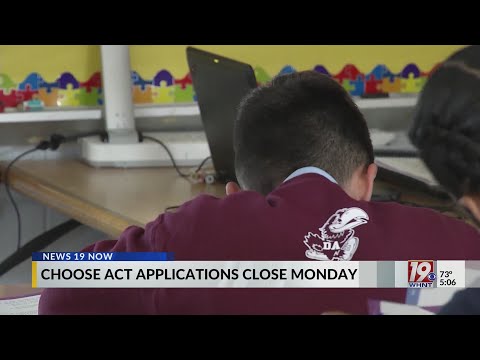
Applications and ESA administration are handled through the state’s designated program process. The precise portal, dates, and documentation can vary by school year, so use official Alabama Department of Revenue information rather than relying on an old news article or social media post. A practical application sequence is:
- Confirm that the student and family meet the current eligibility rules.
- Choose the intended education pathway and, for private school, confirm that the school participates.
- Gather requested records, such as proof of identity, residency, income, or enrollment status.
- Submit the application before the stated deadline and save the confirmation.
- Follow instructions to accept the award, establish the ESA, and authorize eligible payments.
- Keep account statements, receipts, school invoices, and other required records.
Applying early is sensible, but it does not replace checking the deadline or completing every required step. Families should also distinguish between an application being submitted, an application being approved, and funds being available for use. Those are separate stages.
Planning tips for families
Build a full-year education budget
Start with the school’s complete cost estimate, then subtract only the amount you can reasonably expect the ESA to cover. Include expenses that are not eligible, one-time charges, and costs that may be due before the account is funded. This prevents families from treating the maximum award as a promise that all school bills will be paid.
Verify expenses before spending
Read current ESA guidance before buying books, devices, curriculum, or services. When a purchase is unclear, ask the program administrator for written clarification. A vendor’s claim that something is “scholarship eligible” is not a substitute for the state’s rules.
Check participating-school status directly
Private schools may have different participation arrangements, and status can change. Confirm with both the school and the official state listing. Ask how billing works, what happens if a student withdraws, and whether the school’s tuition agreement treats ESA payments differently from family payments.
Keep award-year details separate
Save the guidance and award notice for the specific school year. The maximum amount, priority rules, application dates, and allowable expenses can be updated. When planning for a future year, use the newly published rules rather than carrying forward assumptions from the prior year.
Alabama CHOOSE Act compared with other education assistance
The CHOOSE Act differs from need-based aid, private-school discounts, and federal education benefits. Its award is administered through a state ESA structure and is tied to eligible education expenses. A family may also encounter school-based financial aid or other forms of assistance, but how these interact depends on the school’s policies and program rules.
| Feature | CHOOSE Act ESA | School discount or private aid |
| Who sets the amount | State law and program rules set the maximum award. | The school or aid organization sets its own award. |
| How funds are used | For approved education expenses through the ESA process. | Usually applied according to the provider’s terms. |
| Amount for private-school pathway | Up to $7,000 per eligible student. | Varies by school and family circumstances. |
| Amount for homeschool pathway | Up to $2,000 per eligible student. | Not typically comparable to a school tuition discount. |
Frequently asked questions
How much is the Alabama CHOOSE Act scholarship for private school?
The maximum is up to $7,000 per eligible student per year for the participating private-school pathway. The award is used through an ESA for approved expenses, and it may not cover the school’s entire cost.
How much does the Alabama CHOOSE Act pay homeschool families?
The maximum is up to $2,000 per eligible homeschooled student per year. Families should confirm current documentation requirements and which education expenses qualify before using account funds.

Is the CHOOSE Act award paid directly to parents?
It is structured as education savings account funding, not unrestricted cash. Payments and purchases must follow the program’s approved process and expense rules. Check the current state guidance for how a particular bill or purchase is handled.
Does every Alabama student automatically receive the full $7,000?
No. The $7,000 figure is the maximum for the private-school pathway, not an automatic payment to every student. Eligibility, school participation, application approval, funding, and allowable expenses all matter.
Can I use the Alabama CHOOSE Act award for any private school?
No. A private school must meet the program’s participation requirements, and the expense must be allowed under current rules. Confirm the school’s status with the school and official state resources before enrolling.
Can a family use the CHOOSE Act with other financial aid?
Possibly, but the answer depends on the ESA rules and the other aid provider’s terms. Ask the school how it coordinates state ESA payments with discounts or scholarships, and confirm that the same expense is not being paid twice in a way the rules prohibit.
Conclusion
The Alabama CHOOSE Act scholarship award amount is up to $7,000 annually for an eligible student at a participating private school and up to $2,000 for an eligible homeschooled student. Those maximums provide a useful starting point, but the real value depends on eligibility, program-year rules, approved expenses, and the student’s total education costs. Before relying on an award in a family budget, verify current Alabama guidance, confirm school participation, and understand exactly how ESA payments work. That careful preparation helps families use the CHOOSE Act effectively without mistaking a maximum award for a guaranteed, unrestricted payment.
