


Choosing an all-boys school means looking beyond academic results, sports, and school spirit. Families also need to understand how the school prevents bullying, responds to safety concerns, and helps boys build respectful relationships. A strong all boys school safety and bullying policy is not just a statement of values: it is a practical framework for supervision, reporting, investigation, student support, and accountability. The details matter. Parents should be able to see what behavior is prohibited, whom a student can approach, what happens after a report, and how the school protects everyone involved while it investigates.

What an All-Boys School Safety and Bullying Policy Should Cover
A credible policy defines bullying clearly and applies its protections consistently. Bullying generally involves repeated behavior—or a serious pattern of conduct—that harms, intimidates, humiliates, or excludes another student, particularly where there is a real or perceived imbalance of power. It can happen in person, online, during school activities, on transportation, or through behavior away from campus that substantially affects a student’s safety or access to education. Exact legal definitions and school obligations vary by location, so families should check local requirements as well as the school’s own rules.
The policy should distinguish bullying from ordinary conflict without dismissing harmful conduct. A disagreement between students with similar power may call for mediation or restorative support. Repeated threats, targeted harassment, coercion, or physical intimidation require a more protective response. A school should consider the conduct, context, impact, frequency, and power dynamics—not simply whether students describe it as “joking.”
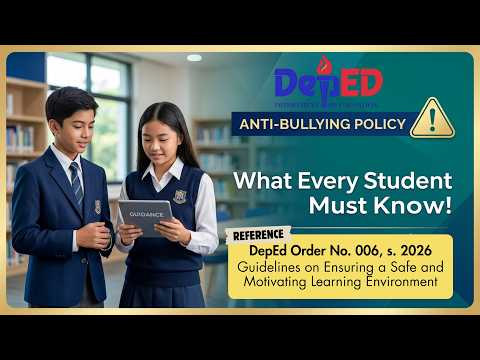
Look for explicit coverage of:
- Physical, verbal, relational, sexual, discriminatory, and cyberbullying.
- Harassment related to race, religion, disability, sexual orientation, gender expression, or another protected characteristic.
- Retaliation against students who report concerns or participate in an investigation.
- Conduct on school grounds, online, on buses, and at school-sponsored events.
- Student and family reporting options, investigation procedures, consequences, and follow-up.
Understanding Bullying in an All-Boys School
Bullying does not look the same in every school or friendship group. In an all-boys setting, social pressure may sometimes be expressed through physical posturing, teasing framed as banter, status competition, exclusion from teams or groups, or pressure to conform to narrow ideas about masculinity. These patterns are not inevitable, and they should never be treated as simply “how boys are.” A school should teach boys that confidence, humor, competition, and physical energy are compatible with empathy, boundaries, and respect.
Adults should pay attention to both visible and less visible harm. A shove or threat may be easy to notice; persistent mocking, rumors, group-chat pile-ons, social exclusion, or pressure to share an embarrassing image may be harder to detect. Students may also hide incidents because they fear losing friends, being called a “snitch,” or facing retaliation. Effective school safety therefore depends on trusted relationships and reporting channels, not only on cameras, discipline rules, or a student handbook.
Bullying, Conflict, and Horseplay
Schools should not label every disagreement as bullying, but they should take every report seriously enough to assess it. Context matters: a one-time argument is different from repeated targeting, and apparent consent to rough play may not be genuine when one student feels unable to object. Staff should ask specific questions about what happened, how often, who was present, whether the behavior can be stopped, and whether the student feels safe. This helps the school choose a proportionate response without minimizing harm.
How Schools Prevent Bullying and Protect Students
Prevention is strongest when it is built into daily school life. A policy on paper has limited value if students do not know it, adults respond inconsistently, or unsafe locations and online behaviors are ignored. Schools should explain expectations at the start of the year, revisit them in advisory or classroom discussions, and train staff to recognize warning signs and respond calmly. Coaches, boarding staff, bus supervisors, counselors, and substitute teachers all need to understand the reporting process.
Practical prevention includes:
- Active supervision in changing areas, corridors, dining spaces, buses, and other locations where students may have less adult oversight.
- Clear, age-appropriate lessons on consent, boundaries, respectful disagreement, digital citizenship, and bystander action.
- Anonymous or confidential reporting options alongside direct conversations with trusted adults.
- Regular reviews of incident patterns, locations, and student feedback to identify recurring risks.
- Accessible counseling and support for students who are targeted, who witness bullying, or who need help changing harmful behavior.
Technology needs particular attention. Cyberbullying may involve threatening messages, impersonation, group-chat harassment, humiliating images, or repeated online exclusion. Schools should explain what students can report, how evidence can be preserved, and when conduct outside school may fall within the school’s authority. Students should be encouraged not to forward harmful content, to save relevant messages when safe to do so, and to tell a trusted adult. Staff should avoid promising absolute secrecy: they may need to share information with people responsible for protecting students.
What Happens After a Bullying Report?
A dependable response is prompt, fair, and documented. The school should first address immediate safety: separate students when needed, arrange supervision, identify urgent medical or emotional support, and consider whether a student faces a credible threat. Staff should listen without blaming the student, record the concern, and explain what will happen next. A school can protect privacy, but it should not promise that every detail will remain confidential because a fair investigation may require speaking with witnesses and those accused.
A typical response process includes these steps:
- Receive and record the concern. Note the student’s account, dates, locations, witnesses, relevant messages, and any immediate safety needs.
- Put interim safeguards in place. Consider increased supervision, schedule adjustments, safe check-ins, or a named staff contact without unfairly penalizing the reporting student.
- Investigate impartially. Speak separately with the students involved and relevant witnesses, review available evidence, and assess the pattern and impact.
- Decide and communicate next steps. Apply the school’s rules consistently, explain appropriate outcomes to the families, and protect student privacy.
- Follow up. Check whether the behavior has stopped, whether safeguards are working, and whether retaliation or further harm has occurred.
Consequences should be proportionate and consistent with the school’s code of conduct and applicable law. They may include education, behavior plans, loss of privileges, restorative processes where appropriate, suspension, or referral to outside agencies in serious cases. Restorative practices can help repair harm, but they should not be forced on a student who feels unsafe, used as a substitute for an investigation, or treated as a reason to avoid accountability.
Roles of Students, Parents, and Staff
School safety is a shared responsibility, but the school remains responsible for setting expectations and responding to reports. Students can help by refusing to join in, checking on a classmate, preserving evidence, and reporting what they witness. They should not be expected to confront a threatening student or manage an investigation themselves. Bystander training should give boys safe, practical options—for example, interrupting a low-risk incident, redirecting attention, inviting a targeted student to leave with them, or telling an adult.
Parents can support their child by listening calmly and asking open questions rather than pressing for a particular conclusion. Write down dates and details, keep relevant messages or screenshots, and contact the designated school leader using the policy’s reporting route. Ask who will follow up and when. If the first contact does not resolve a serious concern, follow the school’s escalation process, such as contacting the principal, safeguarding lead, or governing body. For immediate danger or suspected criminal conduct, contact the appropriate emergency or child-protection service in your area.
Staff should avoid dismissive phrases such as “boys will be boys” or “just ignore him.” They should also avoid publicly confronting students in ways that increase embarrassment or retaliation. A steady response—listen, document, protect, investigate, and check back—builds trust and makes future reporting more likely.
Questions to Ask When Comparing Schools
Families evaluating an all-boys school can use the questions below to assess whether its safety policy works in practice, not just in principle.
| Area | Questions to ask |
| Policy and definitions | Does the policy define bullying, harassment, cyberbullying, and retaliation? Does it explain where the rules apply? |
| Reporting | Can students report to more than one trusted adult? Is there an option for confidential or anonymous reporting? |
| Investigation | Who investigates, how are witnesses heard, and how does the school protect students while it assesses a report? |
| Training and supervision | How are teachers, coaches, bus staff, and boarding staff trained? Which areas receive extra supervision? |
| Follow-up and accountability | How does the school check for recurrence or retaliation? Does it review anonymized trends and improve its procedures? |
Ask for the current policy and the name or role of the person responsible for safeguarding. Families can also ask how often staff receive training, whether student wellbeing surveys are used, and how the school communicates outcomes without disclosing another child’s private information. A school may not share individual disciplinary details, but it should still be able to explain its process and the steps taken to keep students safe.
How to Assess Whether the Policy Is Effective
Incident numbers alone do not prove that a school is safe. A rise in reports may reflect improved trust and awareness; a low number may mean problems are not being recognized or reported. Stronger indicators include whether students know how to seek help, whether adults respond consistently, whether reports are followed up, whether repeat incidents decline, and whether students feel safe in different settings. Schools should use this information to improve supervision, instruction, and support while protecting student privacy.
Families should be cautious of absolute assurances such as “bullying never happens here.” No school can guarantee that misconduct will never occur. A more trustworthy answer explains how the school identifies problems, supports students, applies its rules, and learns from incidents. Policies should be reviewed regularly and updated when laws, technology, student needs, or incident patterns change.
Frequently Asked Questions
What should an all-boys school bullying policy include?
It should define bullying and related misconduct, explain how to report concerns, describe investigation and safety procedures, address cyberbullying and retaliation, set out possible consequences, and provide for follow-up and student support. The policy should be easy for families and students to find and understand.
How should parents report bullying at an all-boys school?
Contact the teacher, counselor, safeguarding lead, or other designated staff member named in the school policy. Share specific dates, locations, behavior, witnesses, and any evidence. Ask what immediate protections will be considered and when the school will check back. Escalate through the school’s formal process if the concern remains unresolved.
Does a school have to respond to cyberbullying that happens off campus?
It depends on local law and the circumstances. A school may have grounds to respond when off-campus conduct creates a safety risk, disrupts learning, targets students through school relationships, or affects the school environment. Families should ask how the school’s policy addresses online behavior and what evidence it needs to assess a report.
How can a school tell bullying apart from ordinary conflict?
Staff should assess repetition, power differences, intent, impact, context, and whether a student can safely stop or leave the interaction. A single incident can still be serious and require action, even if it does not meet the school’s definition of bullying. Every safety concern deserves an appropriate response.
What should a student do if he witnesses bullying?
He should choose a safe response: tell a trusted adult, support the targeted student privately, or interrupt only if doing so does not put anyone at risk. He should avoid sharing humiliating content or joining group messages that amplify the harm. Students are witnesses, not investigators.
How can parents evaluate whether an all-boys school takes safety seriously?
Read the current policy, ask how reports are handled and followed up, and speak with school leaders about staff training, supervision, student support, and policy review. Look for clear procedures and realistic answers rather than promises that problems never occur.
Conclusion
A strong all boys school safety and bullying policy combines clear definitions with trustworthy reporting, fair investigation, immediate protection, appropriate accountability, and consistent follow-up. It recognizes that bullying can be physical, social, discriminatory, or digital—and that a student’s experience should not be dismissed as harmless teasing. Families can make a more informed choice by asking how the policy works day to day, while schools can build safer communities by teaching respect, listening carefully, and acting when concerns arise. The measure of an effective policy is not whether a school claims to be free of bullying, but whether students know they will be heard, protected, and treated fairly.
