


When a student falls behind on graduation requirements, choosing a recovery option can feel urgent—but the fastest available course is not always the best fit. Families comparing alternative credit recovery, Advanced Placement (AP), and International Baccalaureate (IB) offerings need to understand what each program is designed to do, how credits are awarded, and whether a particular course will count toward a diploma, college admission, or both. The key distinction is simple: credit recovery helps a student earn credit for a course they have not passed, while AP and IB courses are advanced academic programs that may support college preparation and, depending on the institution, college credit. Some schools offer flexible or alternative ways to complete AP or IB coursework, but these options do not automatically replace a credit recovery plan.
What “Alternative Credit Recovery AP and IB Course Offerings” Means
The phrase can refer to several different services: online credit recovery courses, accelerated or competency-based classes, alternative high school programs, and flexible AP or IB course formats. A school might offer these options through its own teachers, a district virtual academy, a state-approved online provider, a summer program, or a partner organization. The offerings vary widely, so the name of a program alone does not establish whether its credits will transfer or satisfy a specific requirement.
Credit recovery is generally intended for students who previously attempted a course but did not earn the required passing grade or credit. The recovery course may focus on the standards or units the student has not mastered, though some schools require the full course. AP and IB courses, by contrast, are advanced programs with defined curricula, substantial academic expectations, and—in many cases—external assessments. A student may need credit recovery in English or algebra while taking AP or IB courses in other subjects.
How Credit Recovery Differs from AP and IB
| Program | Primary purpose | Typical credit outcome |
| Credit recovery | Help a student complete a previously failed or incomplete high school course | High school course credit, subject to district rules |
| AP | Provide college-level coursework and preparation for an AP exam | High school credit; possible college credit or placement based on exam score and college policy |
| IB | Develop advanced subject knowledge and skills within an internationally recognized program | High school credit; possible college recognition, depending on program and institution |
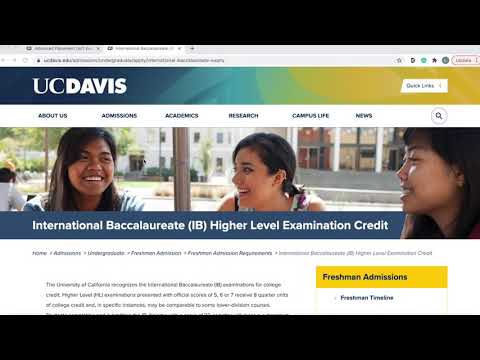
These outcomes should not be confused. Completing an AP course does not guarantee college credit, and passing an AP exam does not necessarily resolve a high school graduation deficiency. Likewise, completing an IB course or earning an IB Diploma does not automatically substitute for a failed local course. High school graduation credit is governed by the school or district; college credit and placement are determined by each college or university.
Common Alternative Credit Recovery Formats
Online and virtual courses
Online credit recovery can provide flexible scheduling, progress tracking, and access to courses that are not available at a student’s campus. Some courses are self-paced, while others have deadlines, live instruction, or required teacher check-ins. Before enrolling, confirm that the course is approved by the student’s school and that the provider’s transcript or grade report will meet local requirements.
Competency-based recovery
In a competency-based model, students demonstrate mastery of specific standards rather than repeating every lesson in a traditional sequence. This can be useful when a student understands most of a subject but needs targeted support in a few areas. Ask how mastery is measured, whether assessments are proctored, and whether the school awards full course credit after successful completion.
Summer school, evening classes, and alternative campuses
In-person summer school may offer direct teacher support and a clear end date. Evening programs or alternative campuses can work better for students who need a different schedule, smaller classes, or additional academic and social support. Availability, course selection, and attendance requirements vary by district.
AP Course Options and Flexible Pathways
AP courses are developed around College Board course frameworks and are usually taught as yearlong high school classes, although some schools use different schedules. Students may encounter AP offerings in subjects such as Biology, Calculus, English Language and Composition, U.S. History, Psychology, and Computer Science. Course availability depends on staffing, enrollment, school resources, and the school’s approved AP course listings.
Alternative AP access may include a virtual AP course, a shared course with another school, or independent preparation for an AP exam. These routes are not interchangeable. A student studying independently may be able to register for an AP exam through an authorized testing location, but that does not mean the student has completed a high school AP course or earned course credit. Confirm both the exam registration process and the school’s transcript policy.
AP is most appropriate when a student is ready for sustained advanced work. The course may involve substantial reading, labs, essays, problem sets, or projects. Students recovering credit in the same subject should discuss workload with a counselor before adding an AP class. A sensible plan protects time for required graduation courses and avoids treating advanced coursework as a shortcut around missing credits.
IB Course Offerings and Program Choices
The International Baccalaureate offers several programs, including the Diploma Programme (DP) for students typically in the final years of high school. IB schools may offer individual DP courses, a full Diploma Programme, or other IB programs depending on their authorization and structure. A student taking selected IB courses may not be pursuing the full diploma, so it is important to ask exactly which courses, assessments, and credentials are included.
IB coursework commonly emphasizes inquiry, research, writing, discussion, and connections across subject areas. Diploma Programme students generally complete courses across subject groups and additional core requirements, including Theory of Knowledge, the Extended Essay, and Creativity, Activity, Service. These requirements make the full diploma a substantial commitment rather than a collection of standalone advanced classes.
Alternative access could mean a virtual class, a course offered through a partner school, or a nontraditional timetable. However, IB participation and assessment arrangements depend on the school’s authorization and applicable IB rules. Do not assume that an outside online course will count as an IB course or contribute toward the IB Diploma. Ask the school’s IB coordinator to verify eligibility, course registration, assessment dates, and how the work appears on the transcript.
How to Choose the Right Path
Start with the student’s actual academic record, not the program label. Identify the missing graduation credits, the reason the student did not pass, and the deadline for completing the requirement. Then compare the available recovery options with the student’s learning needs, schedule, and future plans.
- Get a written graduation audit. Ask a counselor to list every outstanding requirement, the credits already earned, and the courses that can satisfy each gap.
- Verify approval before paying or enrolling. Confirm the course provider, course title, credit value, grading method, and transfer process with the school that will award the diploma.
- Check the transcript treatment. Ask whether the recovery grade replaces the original grade, is averaged with it, or appears as a separate attempt. Policies differ.
- Match the course format to the student. Consider reading level, technology access, attendance, executive-function skills, language support, and the need for teacher feedback.
- Plan AP or IB workload realistically. Review prerequisites, exam dates, projects, and other commitments before combining advanced courses with recovery work.
- Confirm college policies separately. If college credit is a goal, consult the intended colleges’ AP score and IB recognition policies rather than relying on general claims.

Questions to Ask a School or Provider
- Is this course approved for the student’s specific graduation requirement?
- Does the course award full credit, partial credit, or only a completion certificate?
- Who teaches and grades the course, and how often can the student get help?
- Are there required exams, in-person sessions, labs, or proctored assessments?
- How long does the student have to finish, and what happens if the deadline is missed?
- For AP or IB, is the course officially offered through the school, and what exam or assessment registration is required?
- What will appear on the transcript, and can the student obtain the policy in writing?
Practical Recommendations for Students and Families
Students who need one or two credits may benefit from a focused recovery course with regular teacher contact and a firm completion plan. Those who have broader attendance, health, or learning challenges may need a more comprehensive alternative program rather than a self-paced course alone. Families should ask about tutoring, counseling, accommodations, and progress alerts—not just course access.
For students pursuing AP or IB, sequence advanced classes thoughtfully. A strong foundation, consistent study habits, and realistic course load matter more than the number of advanced labels on a transcript. If a student is retaking a foundational subject, discuss whether completing that course first will improve readiness for the next level. The school counselor, department teacher, and AP coordinator or IB coordinator can help align the schedule.
Keep copies of enrollment confirmations, course descriptions, grading policies, progress reports, and final transcripts. If a student is transferring schools, documentation can help the receiving school evaluate completed coursework. When a provider’s marketing language conflicts with district policy, the district’s written graduation requirements should guide the decision.
Frequently Asked Questions
Can alternative credit recovery courses count toward high school graduation?
Yes, if the school or district accepts the course and awards credit for it. Approval should be confirmed before enrollment, because course-provider accreditation or a completion certificate alone may not satisfy local graduation rules.
Can an AP class replace a failed high school course?
Usually, an AP course does not automatically replace a failed course. It may count toward a subject-area requirement if the school approves it, but the student must confirm how the AP course fits the graduation audit and whether it addresses the missing credit.
Can I take AP exams without taking an AP course?
Students may be able to prepare independently and register for an AP exam through an authorized testing location, subject to availability and registration deadlines. Exam participation does not automatically award high school course credit, so check the school’s transcript rules.
Do online IB courses count toward the IB Diploma?
Not necessarily. Diploma eligibility depends on the school’s IB authorization, course registration, assessment arrangements, and program requirements. Ask the IB coordinator to confirm whether a specific online or partner course is recognized within the student’s diploma plan.
Which option is better for a student who failed a class but wants college credit?
These are usually separate goals. First complete the graduation requirement through an approved recovery pathway. Then consider AP or IB coursework if the student is prepared for advanced study, and verify college credit policies with prospective colleges.
Conclusion
Alternative credit recovery, AP, and IB can all support a student’s academic progress, but they solve different problems. Credit recovery is designed to help students complete missing high school requirements; AP and IB provide advanced learning and may lead to college recognition under institution-specific rules. The most reliable plan begins with a written graduation audit, verifies every course before enrollment, and balances academic ambition with the student’s actual needs and capacity. With clear guidance from counselors and program coordinators, students can recover credits without losing sight of meaningful, challenging coursework.
