


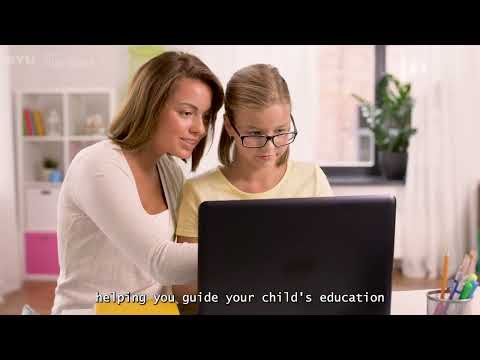
Choosing between BYU Independent Study and homeschooling is not necessarily an either-or decision. BYU Independent Study offers online courses that students can complete on a flexible schedule, while homeschooling describes a broader approach in which a parent or guardian takes responsibility for a child’s education. Many families homeschool and use BYU courses for selected subjects; others use the program to supplement a conventional school schedule or complete a course independently. The right choice depends on your state’s rules, your student’s learning needs, and whether you want a course provider or a complete education plan.
BYU Independent Study vs. Homeschool: The Essential Difference

The most important distinction is scope. BYU Independent Study is a provider of online courses. Homeschooling is an educational arrangement managed by a family, subject to applicable state or local requirements. A BYU course can be one component of a homeschool curriculum, but enrolling in one course does not automatically make BYU responsible for a student’s entire education.
BYU Independent Study offers online courses in areas such as high school subjects, world languages, and other academic topics. Course options, eligibility, prices, deadlines, and requirements can change, so families should verify current details directly with BYU before enrolling. Depending on the course, students may work through lessons and assessments online and receive instructor support. This structure can give a student a defined syllabus and an external academic record, but it does not replace the parent’s responsibility to plan the rest of a homeschool education.
Homeschooling gives parents more control over curriculum, schedule, teaching methods, and pacing. That flexibility can be valuable, but it also means the family must decide how to cover required subjects, evaluate progress, and maintain any records their jurisdiction requires. Some homeschoolers teach most subjects themselves; others combine textbooks, tutors, co-ops, community classes, and online providers.
| Consideration | BYU Independent Study | Homeschooling |
| What it is | An online course provider | A family-directed educational approach |
| Curriculum | Defined by the selected course | Chosen or assembled by the family |
| Pacing | Flexible within course rules and deadlines | Set by the family, subject to local requirements |
| Instruction | Course materials and available instructor support | Parent, tutor, co-op, online provider, or a combination |
| Records | Course-specific grade or transcript documentation, as applicable | Maintained by the family according to local rules and future needs |
| Best fit | A student needing a specific structured online course | A family seeking broad control over the education plan |
How BYU Independent Study Works for Homeschool Students
A homeschool family can select a BYU Independent Study course to address a particular need: a subject the parent does not want to teach, a course with a specialized syllabus, an opportunity for independent work, or a documented grade in a specific subject. The student completes the chosen course under the provider’s requirements, while the family continues to oversee the overall education and decide how the course fits into its plan.
Enrollment, coursework, and grades
Before enrolling, review the course description, prerequisites, materials, assessment format, duration, and any exam or proctoring rules. Confirm whether the course is designed for the student’s grade level and whether its workload fits the family’s schedule. Ask how enrollment dates, course expiration, extensions, withdrawals, and refunds work. These details matter because an online course may be flexible without being entirely self-paced or open-ended.
Also clarify what documentation the student will receive when the course is completed. A course grade or transcript record can be useful, but families should not assume it automatically satisfies every school district, state homeschool rule, college admission requirement, or graduation standard. If the student may transfer back to a public or private school, contact that school in advance and ask how it evaluates outside coursework.
What the program does not do
Taking BYU Independent Study courses does not, by itself, establish that a student is enrolled in a full-time school program or exempt a family from homeschool regulations. Nor does completing a selection of courses automatically create a complete high school diploma pathway. Families should distinguish course credit from graduation credentials: who awards credit, how credits are assembled, and what document represents graduation all depend on the relevant institution and jurisdiction.
Homeschooling: Flexibility with Family Responsibility
Homeschooling can be highly structured or highly individualized. A family might follow a traditional school calendar and use complete grade-level curricula, or build a customized plan around a student’s interests and needs. Parents can adjust the pace when a learner needs more practice, move ahead in a strong subject, and integrate projects, local resources, or hands-on learning.
The freedom comes with planning. A homeschool parent may need to choose materials, set learning goals, monitor progress, and keep records. State and local rules vary considerably. Requirements may address notice of intent, attendance, subjects, assessments, instructor qualifications, or record retention. Do not rely on a general online summary as a substitute for current official guidance. Check the rules for the student’s location and, when needed, contact the relevant education agency or a qualified local homeschool organization.
Homeschooling can include online courses
Homeschooling does not mean a parent must teach every lesson personally. Families commonly combine parent-led instruction with online classes, independent study courses, tutors, homeschool co-ops, library programs, and community-college options where available. BYU Independent Study may fit into that mix as a provider for selected subjects. The parent still decides how to coordinate the course with the student’s broader plan and keep any required documentation.
Which Option Is Better for Your Student?
There is no universal winner in a BYU Independent Study versus homeschool comparison. The better option depends on the problem you are trying to solve. If your student needs a single online class with a defined scope, BYU Independent Study may be a practical choice. If you want to direct the full program across multiple subjects and learning settings, homeschooling may be the more accurate description of your approach. If you want both, a homeschool plan that incorporates BYU coursework may offer the best balance.
- Choose a BYU course for a specific gap: Consider it when your student needs a particular subject or a structured way to study independently.
- Choose family-directed homeschooling for whole-program control: This may suit families who want to select curriculum, teaching style, and pace across the student’s education.
- Combine them when responsibilities are clear: Use BYU for selected coursework while the parent coordinates subjects, schedules, records, and local compliance.
- Investigate alternatives before committing: Compare course content, support, costs, schedule, technology requirements, and how the student learns best.
For a student who struggles with self-management, an asynchronous online course may require more parental oversight than expected. Set regular work periods, agree on weekly milestones, and check progress before deadlines become urgent. For a highly independent learner, the flexibility may be motivating, but the student still needs to understand course requirements and ask for help when stuck.

Practical Steps Before You Enroll
- Define the purpose. Decide whether you need one course, a subject-area supplement, a potential transfer credit, or a component of a larger homeschool program.
- Check local requirements. Find the current homeschool rules for your location and determine whether the planned arrangement affects reporting or recordkeeping.
- Verify course details with BYU. Review current availability, prerequisites, tuition, course length, materials, exams, and policies directly with the provider.
- Confirm credit acceptance in writing. If a school, district, or future program must recognize the course, ask that institution how it handles outside coursework before the student begins.
- Plan the workload. Estimate weekly study time and coordinate the course with other classes, activities, and family commitments.
- Keep useful records. Save enrollment information, course descriptions, grades, completion documentation, and any correspondence relevant to credit or compliance.
Common Misunderstandings to Avoid
One common mistake is treating “online school” and “homeschool” as interchangeable terms. An online course provider supplies instruction for particular courses; homeschooling describes who is responsible for the student’s education overall. Another mistake is assuming that a course’s academic reputation guarantees acceptance everywhere. Transfer decisions and graduation rules can depend on the receiving school or the student’s jurisdiction.
Families should also avoid choosing a course solely because it is flexible. Flexibility is useful only when the student can manage the format or has support to stay on track. Check the technology and assessment requirements, discuss expectations in advance, and set a routine. If the course is meant to fulfill a requirement, verify that purpose before paying or beginning work.
Frequently Asked Questions
Can I homeschool my child and use BYU Independent Study courses?
Yes. Families may use online courses as part of a broader homeschool plan, subject to applicable rules. The parent generally remains responsible for the student’s overall education and for understanding local requirements.
Does BYU Independent Study count as a homeschool program?
BYU Independent Study provides courses; it should not automatically be treated as a complete homeschool program. Confirm what the specific course provides and check whether your location requires additional steps for a homeschooled student.
Is BYU Independent Study accredited, and will other schools accept its courses?
BYU is an accredited university, but that fact alone does not guarantee that every outside school will accept every course for a particular purpose. Ask the receiving school or institution how it evaluates the specific course and what documentation it requires.
Can a student earn a high school diploma through BYU Independent Study?
Do not assume that taking BYU Independent Study courses alone awards a high school diploma. A diploma pathway depends on the responsible school or program and its graduation requirements. Confirm who awards the credential before planning a student’s high school sequence.
Is BYU Independent Study better than homeschooling for a student who needs flexibility?
Both can offer flexibility in different ways. BYU courses may allow a student to work through a defined class on a flexible schedule, while homeschooling lets the family shape the broader program. The right fit depends on course deadlines, the student’s independence, and how much parent involvement is desired.
How should I decide whether a BYU online course will transfer to another school?
Contact the receiving school before enrolling. Provide the course name and description, ask whether it will count for the intended subject or credit, and request written guidance. Keep the final grade and course documentation after completion.
Conclusion
BYU Independent Study and homeschooling serve different purposes: one offers individual online courses, while the other gives families responsibility and flexibility over a student’s broader education. Families do not always have to choose between them. A thoughtful homeschool plan can include BYU coursework when a course fits the student’s goals, schedule, and academic needs. Before enrolling, verify current course policies, check local homeschool requirements, and confirm how any expected credit or credential will be recognized. That preparation helps families choose with confidence and avoid confusing a useful online class with a complete school or graduation program.
