


An accredited preschool or elementary lunch menu should do more than fill a plate. It should help children stay energized, learn healthy eating habits, and feel safe and included at mealtime. For families comparing schools, the menu can also reveal how thoughtfully a program plans nutrition, handles allergies, introduces new foods, and communicates with caregivers. Accreditation itself does not guarantee a particular menu or nutrition standard, so it is worth looking beyond the school’s label and asking how meals are designed and served.
This guide explains what to look for in an accredited preschool elementary lunch menu, how to assess its nutritional quality, and which practical questions can help families make an informed choice. Whether you are reviewing a weekly menu for a preschooler or an elementary student, the same core principles apply: balance, age-appropriate portions, food safety, cultural respect, and a positive mealtime experience.
What “Accredited” Means for a School Lunch Menu
Accreditation generally evaluates a school or early childhood program against standards for areas such as leadership, teaching, safety, and child development. The specific criteria depend on the accrediting organization. Accreditation may encourage strong health practices, but it does not automatically mean every meal follows one universal menu template. A family should ask which nutrition guidelines the school uses and how it checks that meals meet them.
Some schools participate in federally supported meal programs, such as the National School Lunch Program (NSLP) or the Child and Adult Care Food Program (CACFP). These programs have meal-pattern requirements, and participation is different from accreditation. A school may use applicable federal standards, state or local nutrition rules, or its own written wellness policy. Confirm what applies to the specific school and age group rather than assuming that “accredited” means “USDA-compliant.”
- Which nutrition standards or meal patterns guide lunch planning?
- Are meals prepared on site, delivered by a caterer, or assembled from packaged foods?
- How does the school document ingredients, allergens, and substitutions?
Clear answers indicate that meal planning is an operational priority, not just a weekly list of dishes. Families can also ask to see a sample cycle menu, the school’s wellness policy, and its procedure for communicating menu changes.
What a Balanced Preschool and Elementary Lunch Includes
A dependable lunch menu typically combines fruits or vegetables, a grain or other suitable carbohydrate, and a protein-rich food. Milk or an appropriate alternative may be offered, depending on the school’s meal pattern and policy. The exact portions and requirements vary by age, program, and applicable standards. A menu should be judged across the week as well as meal by meal: variety and overall balance matter more than expecting every lunch to look identical.
For example, a meal of baked chicken, brown rice, roasted carrots, and orange slices offers several food groups and different textures. A bean-and-cheese quesadilla with corn, tomato salsa, and melon can provide a meatless alternative while still feeling familiar. A vegetarian lunch can be nutritious, but the school should explain how it plans for protein and other nutrients rather than relying on a token side dish.
Look for variety and preparation details
A menu that repeats the same entrée every few days may be convenient, but children benefit from seeing different foods over time. Look for a mix of proteins—such as beans, eggs, poultry, fish, tofu, or meat—alongside whole-grain options and a range of colorful produce. Preparation matters, too. Baked, steamed, roasted, or lightly sautéed foods can offer alternatives to meals built around deep-fried items. These labels do not alone determine nutritional quality, but specific descriptions help families understand what is being served.
Menus are more useful when they name the actual foods. “Grain bowl” is less informative than “brown rice bowl with black beans, corn, peppers, and mild salsa.” When ingredients or preparation methods are unclear, ask the school for a recipe or ingredient list.
Preschool Portions, Elementary Needs, and Developmental Differences
Preschoolers and elementary students do not always need the same serving size, even when they eat from the same menu. Younger children may need smaller portions, extra time, and help opening containers or using utensils. Elementary students may be ready for larger servings and more independence. A quality program considers these differences and avoids treating an uneaten plate as proof that a child is being difficult.
Children’s appetite can vary from day to day. A supportive lunch routine offers appropriate food without pressure to clean the plate. Staff can encourage a child to explore unfamiliar foods while respecting hunger and fullness cues. Families can ask whether children may request seconds, how staff respond to food refusal, and how meals are adapted for children with developmental, sensory, or motor needs.
Practical features matter as much as the printed menu. Children need enough time to eat, clean and accessible seating, handwashing opportunities, and supervision appropriate to their age. For a preschooler, an appealing meal is less helpful if the child cannot open the packaging or finish eating before the lunch period ends.
Allergies, Dietary Restrictions, and Food Safety
Allergy management requires more than listing common allergens on a menu. Schools should have a defined process for collecting medical information, sharing relevant details with staff, preventing cross-contact where feasible, and responding to an allergic reaction. Families should speak directly with the school about individual needs and confirm the plan in writing. A general statement that a menu is “allergy-friendly” is not a substitute for a child-specific safety procedure.

Dietary needs can also include religious practices, vegetarian preferences, medical diets, or texture modifications. Ask how the school handles substitutions and whether the alternative provides a comparable meal. A child who cannot eat the main entrée should not be left with only a side of fruit or crackers. Schools should explain ingredient sourcing, preparation limits, and any documentation they require.
Food safety checks for families
- Ask how staff verify ingredients when a recipe or supplier changes.
- Find out how food is kept at safe temperatures during preparation and service.
- Confirm how allergy information reaches substitutes, kitchen staff, and classroom staff.
- Ask how the school records and communicates menu substitutions or product recalls.
These questions are especially important when meals come from an outside vendor. A school should know who is responsible for ingredient updates and how families receive timely notice.
How to Compare School Lunch Menus
When comparing two programs, review several weeks rather than a single day. A special event lunch may look appealing but say little about everyday planning. Use the menu as a starting point, then compare the school’s policies and communication practices.
| What to review | Promising sign | Useful follow-up question |
| Menu detail | Named ingredients, sides, and preparation methods | Can families access recipes or ingredient lists? |
| Variety | Different proteins, grains, fruits, and vegetables across the week | How often does the menu rotate, and how are new foods introduced? |
| Accommodations | A documented process for allergies and other dietary needs | Who coordinates substitutions and prevents cross-contact? |
| Child experience | Age-appropriate portions, sufficient time, and supportive supervision | Can children ask for help or additional food? |
| Communication | Advance menus and prompt updates when meals change | How are families notified about substitutions? |
One weak point does not necessarily mean a program is unsuitable; it may reveal an area to clarify. Look for consistent answers and a willingness to explain the school’s process. A dependable program can describe not only what is served but also how it accommodates children and evaluates its practices.
Helping Children Enjoy a Wider Range of Foods
Schools can make unfamiliar foods less intimidating by offering small tastes, describing foods without judgment, and pairing new items with familiar favorites. Repeated, low-pressure exposure may help children become more comfortable over time, though acceptance varies. Staff should not use shame, threats, or rewards that make eating feel like a test. Families can reinforce the school’s approach by talking positively about foods and allowing children to participate in age-appropriate meal preparation at home.
Cultural relevance is another sign of thoughtful menu planning. A menu can include dishes that reflect the families in the school community while introducing children to new cuisines. Schools should be attentive to how dishes are described, how ingredients are prepared, and whether a meal is presented as a genuine option rather than a novelty. Asking families for feedback can help a program build a menu that is both inclusive and practical.
Practical Tips for Families Reviewing a Weekly Menu
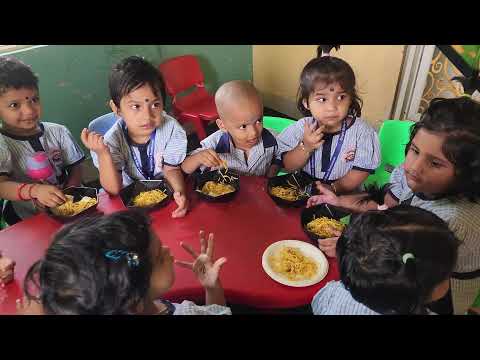
- Check the whole week. Note the range of produce, protein sources, and grains rather than focusing on one favorite or disliked entrée.
- Compare the menu with your child’s needs. Share allergies, medical requirements, sensory concerns, and feeding support needs with the appropriate school staff.
- Ask how changes are announced. Ingredient substitutions can affect both preferences and safety, so learn where updates appear.
- Discuss lunch routines with your child. Ask what they ate, whether they had enough time, and whether they could get help—not only whether they liked the meal.
- Offer constructive feedback. Specific comments, such as requesting more detail about vegetarian meals, are more actionable than a general complaint about the menu.
These steps help families evaluate the real lunch experience, not just the attractive descriptions on a posted menu. They also give the school useful information for improving meals while respecting each child’s needs.
Frequently Asked Questions
Look for a balanced selection of fruits or vegetables, a grain or suitable carbohydrate, and a protein-rich food, with milk or an appropriate alternative where offered under the school’s meal pattern. Exact requirements depend on the program and applicable standards. Variety, age-appropriate portions, and clear ingredient information are also important.
Does preschool accreditation guarantee that lunches meet USDA standards?
No. Accreditation and participation in USDA meal programs are separate matters. Ask whether the school participates in the National School Lunch Program, the Child and Adult Care Food Program, or another program, and which standards guide its menu.
Contact the school directly and ask about its written allergy procedures, ingredient verification, cross-contact prevention, staff training, and emergency response plan. Provide the child’s information through the school’s required process and confirm individual accommodations in writing.
What makes a good vegetarian lunch option for preschool or elementary students?
A substantial vegetarian entrée should include a meaningful protein source, such as beans, lentils, tofu, eggs, dairy, or another suitable ingredient, alongside complementary sides. Ask how the school ensures the alternative is filling and nutritionally comparable to the standard meal.
There is no single update schedule for every accredited school. Many programs publish rotating menus and revise them for seasonal availability, supplier changes, feedback, or policy requirements. Ask how often the cycle is reviewed and how families are told about last-minute substitutions.
Conclusion
The best accredited preschool elementary lunch menu is not defined by a badge or a polished PDF. It is supported by clear nutrition standards, varied and age-appropriate meals, safe handling, meaningful accommodations, and a respectful eating environment. Families can make a stronger comparison by reviewing several weeks of menus and asking how the school handles ingredients, allergies, substitutions, and children’s different needs. When a program can explain its choices and welcomes thoughtful questions, lunch becomes more than a midday meal: it becomes a practical part of a child’s health, independence, and learning.
