


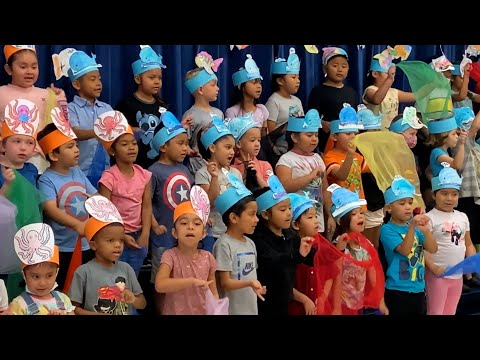
“Arts integrated elementary school hours” usually refers to the way a school day makes room for both core academic subjects and learning through the arts. Instead of treating visual art, music, dance, or drama as occasional add-ons, an arts-integrated school connects them to subjects such as reading, science, and mathematics. The exact schedule varies by school, district, grade, and state requirements, so there is no single standard number of hours. What matters is how the hours are organized: students need consistent time for academic instruction, meaningful arts learning, practice, and reflection.
What Arts-Integrated Elementary School Hours Include
An arts-integrated school day combines scheduled arts instruction with lessons that use artistic methods to deepen learning in other subjects. A class might study rhythm while exploring fractions, create a dramatic scene to understand a story’s characters, or draw scientific observations before writing an explanation. These activities are not simply “fun breaks.” They are planned learning experiences with clear goals in both the arts and the academic subject.
Schools may use the term “arts integration” differently. In a strong program, students learn artistic skills and concepts while also building subject knowledge. For example, a lesson on local habitats could involve observing shapes and textures, making a mixed-media landscape, and explaining how an animal’s environment supports its needs. Students are learning about visual art, science vocabulary, observation, and communication within the same connected unit.
Arts-integrated hours can include:
- Dedicated visual art, music, dance, or theater lessons led by a specialist.
- Classroom lessons that connect an art form to literacy, mathematics, science, or social studies.
- Rehearsal, studio practice, movement, collaborative projects, and student critique.
- Planning and reflection time, including opportunities to revise work and explain artistic choices.
How Many Hours Should an Elementary Student Spend on the Arts?
There is no universal hourly requirement for arts-integrated elementary schools. Local policies, state standards, staffing, school calendars, and program models all affect the schedule. Some schools provide weekly specialist classes in music and visual art, while others build arts experiences into classroom instruction throughout the week. A school may offer both approaches.
When evaluating a schedule, look beyond the number of minutes labeled “art.” A single weekly class may provide valuable direct instruction, but students also benefit when teachers use arts-based methods during ordinary academic lessons. Conversely, a school that frequently uses crafts as a reward may offer many art-related activities without delivering a coherent arts curriculum.
A useful schedule review asks whether students receive regular access to instruction, whether that instruction is sequential, and whether every grade participates. It should also consider whether students have time to make, discuss, and improve their work—not just complete a quick project.
| Schedule approach | What it looks like | What families should check |
| Specialist instruction | Students attend recurring music, visual art, dance, or theater classes. | Frequency, class length, grade coverage, and specialist qualifications. |
| Classroom integration | Classroom teachers connect artistic processes to core lessons. | Whether arts learning has explicit goals, not only decorative activities. |
| Partnership model | Teaching artists collaborate with classroom teachers or lead workshops. | How often partnerships occur and whether learning continues afterward. |
| Whole-school model | Arts instruction, classroom integration, performances, and exhibitions work together. | Whether access is consistent and supported across the school year. |
Sample Arts-Integrated Elementary School Day
The example below illustrates one possible structure, not a required timetable. Schools should adapt daily minutes to grade-level needs, local regulations, transportation, meal service, and instructional priorities.
| Time | Example activity | Learning purpose |
| 8:30–9:00 | Arrival, morning meeting, and rhythm-based greeting | Build routine, listening, and classroom connection |
| 9:00–10:15 | Literacy with drama and oral storytelling | Develop comprehension, sequencing, vocabulary, and expression |
| 10:15–10:30 | Recess | Movement and social play |
| 10:30–11:30 | Mathematics using visual models and pattern design | Explore number relationships and mathematical reasoning |
| 11:30–12:15 | Lunch | Meal and social time |
| 12:15–1:00 | Science observation, sketching, and discussion | Practice careful observation, recording, and evidence-based explanation |
| 1:00–1:45 | Specialist art, music, dance, or theater class | Build skills and knowledge in a specific art form |
| 1:45–2:15 | Independent reading, small groups, and reflection | Support individual needs and connect learning to the day |
| 2:15–2:45 | Project work or class meeting | Collaborate, revise, share progress, and prepare for dismissal |
In practice, the arts can be distributed across the day rather than confined to a single block. A teacher might use a short movement activity to model how water cycles through an ecosystem, then return to the idea during science writing. The important feature is intentionality: students should understand what they are learning and how the artistic process helps them learn it.

Why Consistent Arts Time Matters
Regular arts instruction gives children time to develop skills that require practice. A student does not learn to keep a beat, control a paintbrush, shape a character, or revise choreography in one short activity. Repeated experiences help students build technique, make choices, respond to feedback, and notice improvement.
Arts integration can also give students multiple ways to engage with academic ideas. A learner who finds a written explanation difficult may first demonstrate understanding through a model, drawing, movement sequence, or spoken performance. The artistic work does not replace reading, writing, or mathematical reasoning; it can offer another route into those subjects and a way to make understanding visible.
Well-designed programs can support:
- Academic connections, such as representing patterns in mathematics or interpreting imagery in literature.
- Communication and collaboration through discussion, performance, peer feedback, and shared projects.
- Creative problem-solving, including planning, testing ideas, and revising work.
- Belonging and student voice by making room for different perspectives and forms of expression.
- Arts literacy, so children learn the language, techniques, traditions, and purposes of the art forms themselves.
These benefits depend on the quality of teaching and access—not merely on placing an art activity somewhere in the timetable. A balanced program connects artistic growth with academic learning while respecting the distinct value of each.
What a Strong Weekly Schedule Looks Like
A strong weekly schedule is predictable enough for students to build routines and flexible enough for teachers to connect learning across subjects. It includes protected arts instruction, collaboration between classroom teachers and arts specialists, and opportunities to revisit ideas over time. Arts learning should not disappear whenever the school feels pressure to add test preparation or catch up on another subject.
Look for progression across grade levels
Students should encounter increasingly complex skills and ideas as they move from kindergarten through the upper elementary grades. In music, that might mean progressing from listening and keeping a steady beat to reading notation or composing short pieces. In visual art, children might move from exploring materials to using design principles and discussing how choices affect meaning.

Protect both integration and dedicated instruction
Integrated lessons help students make connections, but they do not automatically teach every arts skill. A science drawing can strengthen observation without teaching all the techniques of visual art. Likewise, a specialist music class may build musical fluency while classroom lessons connect music to history or language. A thoughtful schedule makes room for both.
Plan for transitions and preparation
Hands-on work can require materials, setup, cleanup, and movement between spaces. Schedules that ignore these needs often shorten the actual learning time. Build realistic transitions into the day, organize supplies in advance, and choose project lengths that suit the age group. For young children, several focused sessions may work better than one long, demanding block.
Practical Tips for Families Comparing Schools
When a school advertises an arts-integrated program, ask for concrete examples of how the schedule works. The phrase can describe anything from a coordinated, schoolwide curriculum to a few special projects each year. Families can get a clearer picture by asking:
- How often does each grade receive music, visual art, dance, or theater instruction?
- Who teaches those classes, and do classroom teachers plan with arts specialists?
- How are arts learning goals assessed and communicated to families?
- Can students show work through performances, exhibitions, portfolios, or presentations?
- How does the school maintain arts access for students with disabilities and varied learning needs?
- What happens to arts instruction during testing periods, schedule changes, or staff absences?
Ask to see a sample weekly timetable, curriculum overview, or student portfolio. A school’s answers should explain not only how much time is allocated, but also what students learn during that time and how the learning develops from one grade to the next.
Planning Arts-Integrated Hours: Recommendations for Schools
School leaders can make arts integration more sustainable by treating it as a curriculum and scheduling responsibility rather than an occasional enrichment event. Start by mapping state and district learning requirements, identifying existing arts resources, and choosing a realistic model for each grade. Then build shared planning time into the calendar so specialists and classroom teachers can design lessons together.
Effective implementation often includes the following steps:
- Set clear outcomes. Identify both the artistic learning goal and the academic goal for each integrated unit.
- Protect recurring time. Put arts lessons on the schedule consistently, with adjustments made deliberately rather than by default.
- Coordinate instruction. Give teachers time to agree on vocabulary, materials, assessment, and how lessons connect.
- Use more than one art form. Provide meaningful experiences in visual art, music, movement, and drama where staffing and resources allow.
- Review access and participation. Check whether every student and grade receives comparable opportunities.
- Gather evidence. Use student work, observation, reflection, and family feedback to improve the program.
Assessment should match the learning goals. A rubric might consider a student’s use of artistic techniques, understanding of a science concept, ability to explain decisions, or willingness to revise. One grade should not obscure the different kinds of learning involved. Reflection questions such as “What did you change?” and “What evidence helped you decide?” can reveal more than a finished product alone.
Common Scheduling Mistakes to Avoid
Several avoidable problems can weaken an arts-integrated elementary schedule. The first is treating arts time as expendable whenever another subject runs late. Over time, this makes learning inconsistent and signals that the arts are less important. A second mistake is confusing crafts with arts education: a project can be colorful without teaching artistic concepts or connected academic thinking.
Another common issue is expecting classroom teachers to deliver every art form without training, materials, or planning support. Collaboration with qualified arts educators can strengthen lesson quality and help teachers feel more confident. Finally, schools should avoid measuring success only by the number of performances or finished projects. Students also need time to experiment, make mistakes, discuss work, and develop skills privately before presenting publicly.
Frequently Asked Questions About Arts-Integrated Elementary School Hours
How many hours of arts instruction should an elementary school provide each week?
There is no single nationwide number that applies to every elementary school. Requirements and schedules vary by location and program. Ask for the school’s weekly timetable and curriculum plan, then check whether arts instruction is regular, sequential, and available to every grade.
What is the difference between arts integration and a weekly art class?
A weekly art class focuses on learning within an art form, such as music, dance, theater, or visual art. Arts integration connects artistic processes to another subject while still setting meaningful learning goals. Strong programs often include both dedicated arts lessons and integrated classroom units.
Does arts integration take time away from reading and math?
It does not have to. Integrated lessons can use artistic methods to teach or deepen academic concepts, while dedicated arts classes provide separate instruction in artistic skills. Schools should plan carefully so students receive the required academic instruction as well as consistent access to the arts.
How can parents tell whether an arts-integrated school schedule is effective?
Look for specific learning goals, recurring instruction, collaboration between teachers, and examples of student work over time. Ask how the school assesses arts learning and whether students have opportunities to create, perform, reflect, and revise—not just participate in one-off activities.
Are arts-integrated elementary school hours appropriate for students with different learning needs?
They can be, when instruction is designed with accessibility in mind. Multiple ways to participate—such as speaking, moving, drawing, listening, or using adapted materials—can help students show understanding. Ask how the school provides accommodations and includes students with disabilities in arts activities and performances.
What should a sample arts-integrated school day include?
A balanced day typically includes core academic instruction, regular arts learning, breaks, lunch, transitions, and time for reflection or project work. The exact order and length of blocks will vary, but the schedule should protect both focused instruction and opportunities to connect ideas across subjects.
Conclusion
Arts-integrated elementary school hours are best understood as a purposeful balance of dedicated arts instruction and academic learning enriched by artistic practice. The right schedule is not defined by a single number of minutes; it is defined by consistent access, skilled teaching, clear goals, and room for students to create, practice, reflect, and grow. Families comparing schools should look for evidence in the timetable, curriculum, and student work. Schools building a program should protect arts time, support teacher collaboration, and make sure every child can participate. When those pieces work together, the school day helps children develop both academic understanding and the confidence to express what they know.
