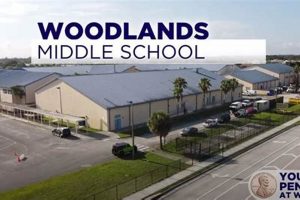
An educational institution typically serving students in grades six through eight, a middle school bridges the gap between elementary and high school. It provides a structured environment for young adolescents to develop academically, socially, and emotionally. This type of institution often features a departmentalized structure with specialized teachers for different subjects, offering a broader curriculum than elementary school, including introductory courses in areas like foreign languages, technology, and the arts.
These institutions play a vital role in a student’s educational journey. They offer a supportive environment where students can explore their interests, develop critical thinking skills, and prepare for the academic rigor of high school. Historically, they emerged as a distinct educational level to address the unique developmental needs of adolescents, providing a more focused approach than the traditional two-tiered system of elementary and secondary education.
Further exploration of specific aspects of middle school education, such as curriculum development, extracurricular activities, and the challenges facing students and educators at this level, will provide a more complete understanding of its significance in contemporary society.
Tips for Thriving in a Middle School Environment
Successfully navigating the middle school years requires preparation and a proactive approach. The following tips offer guidance for students, parents, and educators to foster a positive and productive experience.
Tip 1: Organization is Key: Developing strong organizational skills is crucial. Utilizing planners, maintaining tidy lockers and backpacks, and establishing consistent study routines can significantly reduce stress and improve academic performance.
Tip 2: Active Communication: Open communication between students, parents, and teachers is essential. Regularly checking grades, attending parent-teacher conferences, and initiating conversations when needed can help address concerns promptly and effectively.
Tip 3: Time Management: Balancing academic demands with extracurricular activities and social life requires effective time management. Creating schedules, prioritizing tasks, and avoiding procrastination are vital for success.
Tip 4: Embrace Challenges: Middle school presents opportunities for growth, both academically and personally. Embracing challenges, seeking help when needed, and viewing setbacks as learning experiences fosters resilience and builds confidence.
Tip 5: Explore Interests: Middle school offers a diverse range of extracurricular activities, from sports and arts to clubs and academic teams. Exploring these opportunities allows students to discover their passions, develop new skills, and build friendships.
Tip 6: Cultivate a Growth Mindset: Focusing on effort and improvement rather than solely on grades fosters a growth mindset. This approach encourages students to embrace challenges and view mistakes as opportunities for learning and development.
Tip 7: Prioritize Well-being: Adequate sleep, healthy eating habits, and regular physical activity are essential for maintaining physical and mental well-being. Prioritizing these aspects supports academic success and overall personal development.
By implementing these strategies, students can cultivate a positive middle school experience, laying a solid foundation for future academic and personal success.
These tips provide a framework for navigating the challenges and maximizing the opportunities presented during the middle school years. Further exploration of specific topics related to middle school education will provide a deeper understanding of its role in preparing students for future success.
1. Curriculum
Curriculum serves as the foundation of any educational institution, shaping student learning and development. At Washington Irving Middle School, the curriculum is designed to meet the specific needs of young adolescents, bridging the gap between elementary and high school. A well-structured curriculum provides a framework for academic exploration and skill development, preparing students for future academic challenges. A robust curriculum often incorporates interdisciplinary approaches, connecting different subjects and promoting critical thinking. For example, a project involving historical research and creative writing could integrate social studies and language arts, fostering a deeper understanding of both subjects.
The effectiveness of a middle school curriculum hinges on its alignment with educational standards and best practices. It should incorporate a balance of core subjects, elective courses, and opportunities for experiential learning. Practical applications of concepts are essential for engaging students and demonstrating relevance. For instance, a science curriculum might include hands-on experiments or field trips to reinforce concepts taught in the classroom. Furthermore, a well-rounded curriculum should address the diverse learning styles and needs of the student population. This might involve differentiated instruction, individualized learning plans, and access to support services.
A comprehensive understanding of Washington Irving Middle School’s curriculum provides valuable insights into the institution’s educational philosophy and priorities. Analyzing the curriculum’s strengths and weaknesses allows for continuous improvement and ensures that the school effectively prepares its students for the challenges and opportunities of high school and beyond. A strong curriculum, coupled with effective instruction and a supportive learning environment, is crucial for maximizing student potential and achieving educational goals.
2. Extracurricular Activities

Extracurricular activities represent a vital component of a well-rounded education, particularly within a middle school setting. These activities, offered outside of the traditional academic curriculum, provide opportunities for students to explore interests, develop new skills, and foster social-emotional growth. Within the context of Washington Irving Middle School, extracurricular activities likely play a significant role in shaping the student experience. Participation in such activities can contribute to increased academic engagement, improved social skills, and enhanced self-esteem. For example, involvement in a debate club could enhance public speaking and critical thinking skills, while participation in a sports team could promote teamwork, discipline, and physical fitness. A school’s offering of diverse extracurriculars, ranging from arts and music to athletics and academic clubs, can cater to a wide range of student interests and talents.
The impact of extracurricular involvement extends beyond individual student development. A vibrant extracurricular program can foster a stronger sense of community within a school. Shared experiences in clubs and activities create opportunities for students to connect with peers who share similar interests, building friendships and fostering a sense of belonging. Furthermore, extracurricular activities can contribute to the development of leadership skills. Students who take on leadership roles within clubs or teams gain valuable experience in organization, communication, and decision-making. These skills are transferable to academic and professional settings, contributing to long-term success. The availability of resources, including facilities, equipment, and qualified advisors, directly influences the quality and breadth of extracurricular offerings. Effective management and adequate funding of these programs are essential for maximizing their positive impact on the student body.
In conclusion, a robust extracurricular program is an integral part of a comprehensive middle school education. By providing opportunities for skill development, social interaction, and personal growth, extracurricular activities contribute significantly to student well-being and academic success. Analyzing the specific extracurricular offerings at Washington Irving Middle School, along with student participation rates and program outcomes, offers valuable insights into the school’s commitment to fostering a holistic learning environment. Understanding the role and impact of extracurricular activities within this specific context provides a more complete picture of the overall educational experience offered at Washington Irving Middle School.
3. Faculty Qualifications

Faculty qualifications represent a critical factor in the educational landscape of any middle school, directly impacting the quality of instruction and student outcomes. Within the specific context of Washington Irving Middle School, the qualifications and expertise of its teaching staff play a pivotal role in shaping the learning environment and influencing student success. Highly qualified educators possess the pedagogical knowledge, subject matter expertise, and classroom management skills necessary to effectively engage students and foster a positive learning experience. A teacher’s ability to differentiate instruction, adapt to diverse learning styles, and create a supportive classroom climate significantly impacts student engagement and academic progress. For instance, a mathematics teacher with a strong background in mathematics education and experience working with middle school students is better equipped to address the specific learning needs of this age group and foster a deeper understanding of mathematical concepts. Similarly, a language arts teacher with advanced training in literacy instruction can effectively support students in developing their reading, writing, and communication skills.
The impact of faculty qualifications extends beyond individual classrooms. A school with a highly qualified teaching staff is better positioned to implement innovative instructional strategies, integrate technology effectively, and create a challenging and supportive learning environment for all students. Furthermore, experienced and well-trained educators can serve as mentors and role models for their students, inspiring them to pursue their academic goals and develop a lifelong love of learning. Investing in professional development opportunities for teachers demonstrates a commitment to continuous improvement and ensures that faculty members remain current with best practices in education. This commitment to ongoing learning and development translates to enhanced teaching practices and ultimately benefits students. For example, teachers who participate in professional development workshops on culturally responsive teaching practices are better equipped to create an inclusive classroom environment that celebrates diversity and supports the learning needs of all students. Schools prioritizing teacher qualifications often experience higher student achievement, increased graduation rates, and improved college readiness.
In summary, faculty qualifications are a cornerstone of a high-quality middle school education. Analyzing the qualifications, experience, and professional development opportunities available to teachers at Washington Irving Middle School provides valuable insights into the school’s commitment to providing a strong educational foundation for its students. A focus on recruiting and retaining highly qualified educators, coupled with ongoing investments in professional development, creates a positive learning environment where students can thrive academically and reach their full potential. Understanding the significance of faculty qualifications within the context of Washington Irving Middle School allows for a more comprehensive assessment of the institution’s educational effectiveness and its ability to prepare students for future success.
4. Student Demographics

Student demographics provide essential context for understanding the specific challenges and opportunities present within a middle school environment. Analyzing the student population at Washington Irving Middle School, including factors such as socioeconomic status, racial and ethnic diversity, language backgrounds, and special education needs, offers valuable insights into the school’s unique characteristics and informs effective educational strategies. Understanding these demographics is crucial for developing targeted interventions, allocating resources equitably, and creating a truly inclusive learning environment. This exploration will delve into key demographic facets, illustrating their impact on Washington Irving Middle School and its ability to serve its student population effectively.
- Socioeconomic Status
Socioeconomic status encompasses factors such as family income, parental education levels, and access to resources. A school with a high percentage of students from low-income families may face unique challenges, including higher rates of food insecurity, limited access to technology and educational resources, and increased mobility. Understanding the socioeconomic makeup of Washington Irving Middle School allows administrators and educators to develop targeted support systems, such as free or reduced-price lunch programs, after-school tutoring, and access to technology, to address these challenges and ensure equitable access to educational opportunities. For example, if a significant portion of the student body qualifies for free or reduced lunch, this information can inform resource allocation for nutritional support programs.
- Racial and Ethnic Diversity
Racial and ethnic diversity enriches the learning environment by exposing students to a variety of perspectives and cultural backgrounds. Understanding the racial and ethnic composition of Washington Irving Middle School is essential for creating a culturally responsive curriculum, celebrating diversity, and fostering an inclusive school climate. This information can inform professional development opportunities for teachers focused on culturally responsive teaching practices and guide the development of curriculum that reflects the diverse backgrounds and experiences of the student population. For instance, a diverse student body might necessitate curriculum adaptations to ensure inclusivity and representation of various cultural perspectives in literature, history, and social studies.
- Language Backgrounds
Language backgrounds significantly impact a student’s learning experience. If a substantial portion of the student population at Washington Irving Middle School speaks a language other than English at home, the school must provide appropriate language support services to ensure equitable access to education. This might include English as a Second Language (ESL) programs, bilingual instruction, and translation services for parents. Understanding the specific language needs of the student body allows for effective resource allocation and the implementation of appropriate instructional strategies to support language acquisition and academic success. For example, if a significant number of students are Spanish speakers, the school might offer bilingual programs or hire bilingual staff to facilitate communication and support learning.
- Special Education Needs
Students with disabilities require specialized instruction and support services to reach their full potential. Analyzing the prevalence of various disabilities within Washington Irving Middle Schools student population allows administrators to allocate resources effectively and ensure that appropriate support services, such as individualized education programs (IEPs), specialized instruction, and assistive technology, are readily available. Understanding these needs allows the school to create a truly inclusive learning environment where all students have the opportunity to succeed. For instance, a higher percentage of students with learning disabilities might necessitate increased staffing of special education teachers and the implementation of specialized reading intervention programs.
By understanding the diverse demographics of its student body, Washington Irving Middle School can develop tailored programs and initiatives to meet the specific needs of its students, fostering a supportive and equitable learning environment where all students can thrive. Analyzing these demographic factors provides a comprehensive understanding of the school community and informs strategic decision-making to enhance the educational experience for all. These insights are critical for continuous improvement and contribute to the school’s overall mission of providing a high-quality education to every student.
5. Community Involvement

Community involvement plays a crucial role in the success of a middle school. A strong connection between Washington Irving Middle School and its surrounding community creates a network of support that enriches the educational experience for students. This involvement can manifest in various forms, each contributing to a more vibrant and supportive learning environment. Exploring these facets illuminates the symbiotic relationship between the school and the community it serves.
- Parent-Teacher Organizations
Parent-Teacher Organizations (PTOs) serve as a vital link between parents and the school. Active PTOs at Washington Irving Middle School can facilitate communication, organize fundraising events, and support school initiatives. For example, a PTO might organize a school-wide fundraiser to purchase new library books or fund a field trip. This involvement strengthens the connection between families and the school, creating a collaborative environment where parents actively contribute to their children’s education.
- Business Partnerships
Partnerships with local businesses can provide valuable resources and opportunities for students at Washington Irving Middle School. Businesses might offer internships, mentorship programs, or financial support for school programs. For instance, a local technology company could partner with the school to offer coding workshops or provide mentors for students interested in STEM careers. These partnerships enrich the learning experience by connecting students with real-world applications of their academic studies and exposing them to potential career paths.
- Volunteer Programs
Community volunteers can contribute significantly to Washington Irving Middle School by offering their time and expertise. Volunteers might tutor students, assist with extracurricular activities, or help maintain school facilities. For example, retired teachers could volunteer to tutor students struggling in specific subjects, or community members with expertise in a particular field could offer workshops or presentations. Volunteer programs enhance the learning environment by providing additional support for students and expanding the range of learning opportunities available.
- Community Events
Hosting community events at Washington Irving Middle School strengthens the bond between the school and its surrounding neighborhood. Events such as school plays, concerts, or open houses provide opportunities for community members to engage with the school and celebrate student achievements. These events foster a sense of pride and shared ownership in the school’s success, creating a more connected and supportive community. For example, an annual school fair could bring together families, local businesses, and community organizations, showcasing student work and fostering a sense of community spirit.
These various forms of community involvement create a supportive ecosystem that benefits Washington Irving Middle School and its students. A strong connection with the community enhances the educational experience, providing valuable resources, enriching learning opportunities, and fostering a sense of shared purpose. By analyzing the level and nature of community involvement, one gains a deeper understanding of the school’s commitment to creating a thriving learning environment and its integration within the broader community context.
6. School Facilities
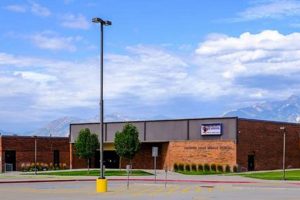
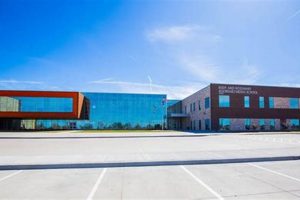
School facilities significantly influence the educational experience within a middle school setting. The physical environment of Washington Irving Middle School plays a crucial role in shaping the learning atmosphere, impacting both student engagement and teacher effectiveness. Modern, well-maintained facilities contribute to a positive learning environment, while outdated or inadequate facilities can hinder academic progress and overall well-being. Examining the various aspects of the school’s physical plant provides valuable insights into the learning environment and the institution’s commitment to providing a quality education.
- Classrooms
Classroom design and functionality directly affect teaching and learning. Well-designed classrooms at Washington Irving Middle School should provide ample space, natural light, and appropriate furniture to facilitate various learning activities. Flexible learning spaces that can be easily reconfigured to accommodate different teaching styles and group work contribute to a more dynamic and engaging learning environment. Adequate technological infrastructure, including internet access, interactive whiteboards, and projectors, enhances instruction and supports the integration of digital learning resources. For example, classrooms equipped with flexible furniture arrangements can be easily adapted for individual work, small group collaborations, or whole-class discussions, promoting active learning and student engagement. Conversely, cramped, poorly lit classrooms with outdated technology can negatively impact student focus and hinder effective teaching.
- Library/Media Center
A well-equipped library or media center serves as a vital hub for learning and research. At Washington Irving Middle School, a modern library with a diverse collection of books, periodicals, and digital resources supports student learning across various disciplines. Access to online databases, research tools, and collaborative workspaces equips students with the resources necessary to develop information literacy skills and engage in in-depth research projects. A welcoming and well-organized library space fosters a love of reading and encourages students to explore their interests beyond the classroom. For example, a library with dedicated spaces for individual study, group projects, and access to digital resources supports diverse learning styles and promotes independent learning.
- Specialized Spaces
Specialized spaces, such as science labs, art studios, and music rooms, enhance the educational experience by providing dedicated areas for hands-on learning and creative exploration. At Washington Irving Middle School, well-equipped science labs allow students to conduct experiments and engage in scientific inquiry. Dedicated art studios provide space for artistic expression, and music rooms equipped with instruments and recording technology support musical development. These specialized spaces enrich the curriculum and provide opportunities for students to discover and develop their talents in specific areas. For example, a state-of-the-art science lab with modern equipment allows students to conduct experiments and engage in hands-on scientific inquiry, fostering a deeper understanding of scientific concepts.
- Outdoor Spaces
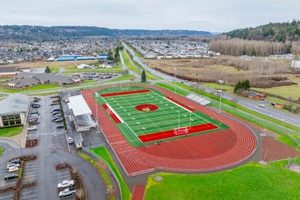
Outdoor spaces, including playgrounds, athletic fields, and gardens, contribute to student well-being and provide opportunities for physical activity and outdoor learning. At Washington Irving Middle School, well-maintained outdoor spaces offer areas for recreation, physical education classes, and outdoor learning activities. Access to green spaces and recreational areas promotes physical activity, reduces stress, and enhances the overall learning environment. For example, a school garden can provide opportunities for hands-on learning in science and environmental studies, while a well-maintained athletic field supports physical education programs and extracurricular sports activities. Safe and accessible outdoor spaces contribute to a positive school climate and promote student well-being.
The quality and functionality of school facilities at Washington Irving Middle School significantly impact the overall educational experience. Modern, well-maintained facilities create a conducive learning environment that supports student achievement and teacher effectiveness. By analyzing these various aspects of the school’s physical plant, one gains valuable insights into the institution’s commitment to providing a high-quality education and its ability to meet the diverse needs of its students. The condition of these facilities reflects the priority placed on creating a positive and productive learning environment, contributing to the overall success of the school and its students.
Frequently Asked Questions
This section addresses common inquiries regarding middle school education, providing concise and informative responses.
Question 1: What is the typical age range for middle school students?
Middle schools generally serve students between the ages of 11 and 14, encompassing grades six through eight. Variations exist depending on local educational policies.
Question 2: How does a middle school curriculum differ from elementary school?
Middle school curricula introduce greater academic rigor and specialization. Students typically encounter departmentalized instruction, with different teachers for various subjects. Exploratory courses in areas such as foreign languages, technology, and the arts are often introduced.
Question 3: What is the importance of extracurricular activities in middle school?
Extracurricular activities provide opportunities for skill development, social interaction, and exploration of personal interests. These activities can enhance academic engagement and contribute to a well-rounded educational experience.
Question 4: How can parents support their child’s transition to middle school?
Open communication, encouragement of organizational skills, and involvement in school activities facilitate a smooth transition. Regularly checking academic progress and attending parent-teacher conferences are essential.
Question 5: What are some common challenges middle school students face?
Academic pressures, social dynamics, and emotional changes present common challenges. Navigating peer relationships, managing increased academic demands, and adapting to a new school environment require support and guidance.
Question 6: How does middle school prepare students for high school?
Middle school provides a bridge between elementary school and the more demanding high school environment. The curriculum, extracurricular opportunities, and increased responsibility foster academic preparedness, organizational skills, and personal growth necessary for success in high school.
Understanding these common inquiries provides a foundation for navigating the middle school landscape. Further exploration of specific educational topics can deepen this understanding and inform effective strategies for student success.
This FAQ section provides a starting point for understanding common aspects of middle school education. Further exploration of specific topics related to middle school, such as curriculum development, educational policies, and student support services, will offer a more comprehensive understanding of this crucial phase of education.
Conclusion
This exploration of the essential components of a thriving middle school environment has provided a comprehensive overview of the multifaceted nature of these institutions. From curriculum design and extracurricular offerings to faculty qualifications and community engagement, each element contributes significantly to the overall educational experience. The examination of student demographics and the condition of school facilities further illuminates the complexities and challenges inherent in providing a quality education to young adolescents. The analysis underscores the importance of a holistic approach to middle school education, recognizing the interconnectedness of these various factors in shaping student success.
Middle school represents a pivotal stage in a student’s educational journey, laying the foundation for future academic pursuits and personal development. A supportive learning environment, coupled with a rigorous curriculum and ample opportunities for exploration and growth, empowers students to navigate the challenges of adolescence and reach their full potential. Continued focus on fostering strong partnerships between schools, families, and communities is essential for ensuring that middle schools effectively prepare students for the next stage of their education and beyond. The future of education rests upon the continued dedication to providing quality middle school experiences that nurture the intellectual, social, and emotional growth of young people.