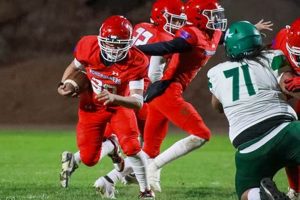
Specialized, off-campus training programs supplement standard secondary school athletic development in American football. These programs often involve intensive skill development, strength and conditioning, and specialized coaching beyond the resources typically available within a school’s athletic department. For example, a quarterback might attend specialized passing camps during the off-season to hone their technique and gain exposure to advanced concepts.
Such supplementary training can significantly enhance a student-athlete’s prospects. It offers opportunities to refine specific skills, improve physical conditioning, and gain valuable exposure to college recruiters. Historically, these programs have emerged to meet the growing demands of competitive collegiate recruiting and provide additional pathways for aspiring athletes to reach their full potential. They contribute to a higher level of play in the sport overall and provide athletes with specialized support they might not otherwise receive.
This article will explore the various facets of supplementary athletic development programs, covering topics such as their impact on player development, the role of specialized coaching, the financial aspects of participation, and the ethical considerations surrounding these programs.
Careful consideration and planning are crucial for maximizing the benefits of specialized athletic programs. The following tips offer guidance for student-athletes and their families.
Tip 1: Research Program Credibility: Thoroughly investigate a program’s coaching staff, training methodologies, and overall reputation. Look for programs with proven track records of player development and a focus on long-term athletic growth.
Tip 2: Align Program Focus with Individual Needs: Different programs specialize in various aspects of the game. Select a program that aligns with the athlete’s specific position, skill set, and developmental goals. A lineman should seek different training than a wide receiver.
Tip 3: Consider Financial Implications: Supplemental training programs often involve significant costs. Families should carefully assess program fees, travel expenses, and other associated costs to ensure participation aligns with their budget.
Tip 4: Communicate with High School Coaches: Open communication between supplemental program staff and high school coaches is essential for a cohesive training approach. Ensure both parties are aligned regarding the athlete’s development plan.
Tip 5: Prioritize Academic Performance: Academic success remains paramount. Athletes must carefully balance supplemental training commitments with academic responsibilities to maintain a strong academic standing.
Tip 6: Focus on Long-Term Athletic Development: Sustainable, long-term athletic growth should be the primary focus, not short-term gains. Look for programs that emphasize proper training techniques, injury prevention, and overall athletic well-being.
Tip 7: Evaluate Program Fit and Culture: A positive and supportive training environment is essential for optimal development. Consider the program’s culture, coaching style, and overall atmosphere to ensure a good fit for the athlete’s personality and learning style.
By carefully considering these factors, athletes can maximize the benefits of supplemental training while mitigating potential risks.
These tips provide a foundation for informed decision-making regarding supplemental training. The following section will delve deeper into the specific benefits and potential drawbacks of these programs.
1. Specialized Coaching

Specialized coaching forms a cornerstone of off-campus, supplementary football training programs. Unlike the generalized coaching often found within standard high school athletic programs, these specialized programs offer focused instruction from experts in specific positions or skill sets. This targeted approach allows athletes to refine techniques and develop a deeper understanding of their roles on the field. For instance, a quarterback participating in a specialized passing academy will receive individualized coaching on footwork, throwing mechanics, reading defenses, and advanced play concepts. This level of specialized instruction can significantly accelerate player development compared to training within a broader team setting. The expertise provided in these programs often comes from former professional or collegiate players and coaches, providing access to high-level knowledge and experience.
The impact of specialized coaching extends beyond individual skill development. It fosters a culture of focused improvement and provides athletes with personalized feedback tailored to their strengths and weaknesses. This individualized attention helps athletes identify areas for improvement and develop targeted training strategies. Furthermore, specialized coaching often incorporates advanced training technologies and methodologies, such as video analysis and performance tracking, which can provide objective data and insights into player progress. For example, a lineman might undergo biomechanical analysis to optimize their blocking technique and reduce the risk of injury. This data-driven approach to coaching allows for more precise and effective development strategies.
In summary, the specialized coaching provided within supplementary football training programs offers significant advantages for aspiring athletes. The focused instruction, personalized feedback, and access to advanced training methodologies contribute to accelerated skill development and improved performance. However, it is crucial to recognize that the quality and effectiveness of specialized coaching can vary significantly between programs. Careful consideration of a program’s coaching credentials, training philosophy, and overall reputation is essential to ensure athletes receive high-quality instruction and maximize their potential. This specialized approach, while beneficial, should complement, not replace, the foundational coaching received within the high school program, ensuring a well-rounded athletic development.
2. Skill Development

Within the context of supplementary, off-campus football training, skill development takes center stage. These programs offer focused opportunities to refine and enhance specific athletic abilities beyond the scope of traditional high school practices. The concentrated nature of these programs allows athletes to dedicate significant time and effort to honing their craft, leading to accelerated improvement and a competitive edge.
- Position-Specific Training:
Supplemental programs often tailor training regimens to individual player positions. Quarterbacks may focus on throwing mechanics, reading defenses, and pocket presence, while linemen might concentrate on blocking techniques, footwork, and leverage. This specialized approach allows athletes to develop the precise skills necessary for their roles on the field, maximizing their potential impact. For example, a wide receiver might work extensively on route running, catching technique, and release moves against defensive backs, skills crucial for their position.
- Advanced Skill Acquisition:
Beyond fundamental skills, these programs often introduce athletes to advanced techniques and concepts. This might involve complex offensive schemes, sophisticated defensive strategies, or specialized training for specific game situations. Exposure to these advanced concepts can provide a significant advantage when transitioning to higher levels of competition. For example, a linebacker might learn advanced blitz packages or techniques for reading offensive formations and anticipating play calls. These advanced skills can differentiate a player from their peers.
- Repetitive Drilling and Refinement:
Mastery of any skill requires repetition. Supplemental programs provide the structured environment necessary for athletes to engage in focused, repetitive drills. This allows them to refine techniques, build muscle memory, and develop consistency in their performance. For example, a kicker might spend hours practicing field goals from various distances and angles, developing the consistency and accuracy crucial for success. This dedicated practice time translates to improved performance under pressure.
- Competitive Environment:
Many supplemental programs incorporate competitive drills and scrimmages, providing athletes with opportunities to apply their newly acquired skills in simulated game situations. This competitive environment helps athletes develop their game sense, decision-making abilities, and mental toughness. For example, participating in 7-on-7 tournaments allows skill position players to test their abilities against high-level competition in a fast-paced environment. This experience fosters growth and prepares athletes for the challenges of competitive gameplay.
These facets of skill development collectively contribute to enhanced athletic performance and increased competitiveness. While high school programs provide a foundation, supplementary training offers the focused attention and specialized instruction necessary to maximize an athlete’s potential within the demanding landscape of modern football. The opportunity to refine skills, acquire advanced techniques, and apply them in competitive settings prepares athletes for the rigors of collegiate-level play and beyond.
3. Strength and Conditioning

Strength and conditioning plays a vital role in supplementary, off-campus football training programs. These programs recognize that athletic performance hinges not only on skill development but also on physical prowess. A comprehensive strength and conditioning program provides the foundation for enhanced on-field performance, injury prevention, and overall athletic development. These programs go beyond the standard conditioning offered within a typical high school setting, providing specialized training tailored to the demands of football.
- Performance Enhancement:
Targeted strength training programs improve power, speed, and agilityessential attributes for success in football. These programs focus on developing functional strength applicable to game situations, such as explosive movements required for tackling, blocking, and changing direction quickly. For example, plyometric exercises, Olympic lifts, and agility drills are often incorporated to enhance on-field performance. Increased strength and power translate to improved performance in key areas like blocking, tackling, and running.
- Injury Prevention:
A well-structured strength and conditioning program plays a crucial role in injury prevention. Strengthening muscles and connective tissues around joints provides stability and reduces the risk of common football-related injuries like sprains, strains, and tears. Furthermore, programs often incorporate flexibility and mobility training to improve range of motion and reduce muscle imbalances, further mitigating injury risk. For example, exercises targeting the core, hips, and shoulders can improve stability and protect against injuries in these vulnerable areas. This proactive approach to injury prevention helps athletes stay on the field and maintain peak performance.
- Personalized Training:
Supplementary programs often provide individualized strength and conditioning plans tailored to each athlete’s specific needs and goals. This personalized approach recognizes that athletes have different body types, strengths, weaknesses, and positions, requiring tailored training strategies. For example, a lineman might focus on building maximal strength and power, while a wide receiver might prioritize speed and agility. This individualized approach optimizes training effectiveness and promotes balanced athletic development. Furthermore, it allows coaches to address specific weaknesses and imbalances that could hinder performance or increase injury risk.
- Nutritional Guidance:
Many supplementary programs incorporate nutritional guidance to complement the physical training. Proper nutrition fuels workouts, supports muscle growth and recovery, and optimizes overall athletic performance. Athletes receive education on proper hydration, macronutrient balance, and the importance of fueling their bodies with nutrient-rich foods. Some programs even provide personalized meal plans or access to registered dietitians. This integrated approach recognizes that nutrition plays a critical role in athletic development and complements the benefits of strength and conditioning training.
These facets of strength and conditioning collectively contribute to a more robust and resilient athlete. While skill development remains essential, the physical foundation built through dedicated strength and conditioning training is paramount for success in the demanding sport of football. These programs provide a structured and supportive environment for athletes to enhance their physical abilities, reduce injury risk, and maximize their potential on the field. This specialized training complements the efforts of high school programs, providing an additional layer of support and development that can significantly benefit aspiring athletes. The combination of specialized skill development and targeted strength and conditioning provides a comprehensive approach to athletic development within the context of supplementary football training.
4. Recruiting Exposure

Recruiting exposure represents a significant driving force behind participation in specialized, off-campus football training programs. These programs often provide a platform for athletes to showcase their abilities in front of college recruiters, increasing their visibility and potentially opening doors to scholarship opportunities. The structured environment of these programs, often featuring competitive showcases, combines, and tournaments, creates opportunities for athletes to perform under pressure and demonstrate their skills in a setting specifically designed for evaluation. This contrasts with the sometimes limited exposure available within a standard high school program, where opportunities to be seen by college recruiters can be constrained by factors such as team success, geographic location, and the sheer number of athletes competing for attention. For example, a highly skilled quarterback playing for a less successful high school team in a remote location might struggle to gain the attention of college scouts. Participating in a prominent quarterback camp or showcase provides a direct pathway to be evaluated by numerous college programs, significantly increasing their chances of being recruited. Furthermore, these programs often foster relationships between coaches and recruiters, creating a network that facilitates the flow of information and further enhances recruiting opportunities.
The cause-and-effect relationship between supplemental training and recruiting exposure is multifaceted. Improved athletic performance resulting from specialized coaching and strength conditioning enhances an athlete’s recruitment profile. Simultaneously, the exposure itself, particularly within high-profile programs, can significantly impact an athlete’s perceived value. Simply being seen and evaluated within these settings can elevate an athlete’s standing in the eyes of recruiters. This creates a dynamic where participation in these programs both improves an athlete’s abilities and increases their visibility to those making recruitment decisions. Consider a wide receiver who attends a well-regarded skills camp and consistently performs well against top competition. Even if their high school team has limited success, their performance at the camp can generate significant interest from college recruiters. This demonstrates the power of targeted exposure within the recruiting landscape. However, it’s important to acknowledge that participation in supplemental programs doesn’t guarantee recruitment success. Ultimately, an athlete’s skill, performance, academic record, and character remain the primary determinants of their recruitment prospects.
Understanding the role of recruiting exposure within supplementary football training provides valuable context for athletes and their families. While skill development and physical conditioning are paramount, the strategic pursuit of visibility within the recruiting landscape is a key component of these programs. Recognizing this interplay allows for informed decision-making about program selection, balancing the pursuit of athletic development with the strategic goal of maximizing recruitment opportunities. However, it’s crucial to maintain a balanced perspective and avoid overemphasizing the importance of recruiting exposure at the expense of a well-rounded education and athletic experience. The ultimate goal should be to develop well-rounded student-athletes prepared for success both on and off the field, regardless of recruitment outcomes.
5. Financial Investment
Significant financial investment often accompanies participation in specialized, off-campus football training. Understanding the various costs associated with these programs is crucial for families considering this path for their student-athletes. These costs extend beyond program fees and can significantly impact a family’s budget. A comprehensive understanding of these financial implications allows for informed decision-making and realistic budgeting.
- Program Fees:
Costs vary significantly depending on program prestige, duration, and the level of instruction offered. Elite programs featuring renowned coaches and advanced training facilities often command higher fees. Shorter, specialized camps may have lower costs compared to longer-term training programs. Understanding the fee structure and what it covers is essential for budgeting accurately. For example, a specialized quarterback camp might cost several hundred dollars for a weekend of intensive training, while a year-round program offering strength and conditioning, skill development, and recruiting exposure could cost several thousand dollars.
- Travel Expenses:
Many supplemental programs require travel, sometimes significant distances. Travel costs, including airfare, gas, lodging, and meals, add considerably to the overall financial burden. Families must factor in these expenses, especially if the program is located far from home or involves multiple trips throughout the year. For instance, attending a prestigious camp across the country could incur substantial travel expenses. Local programs may minimize travel costs but could lack the specialized coaching or recruiting exposure available at national events.
- Equipment and Gear:
Specialized training may necessitate purchasing additional equipment or gear beyond what is provided by the high school program. This could include specialized training shoes, performance apparel, or position-specific equipment. While some programs provide equipment, others require athletes to purchase their own. Understanding these requirements upfront allows families to budget accordingly. For example, a lineman might need to invest in specialized training equipment designed to improve strength and technique in the trenches. Similarly, a receiver might need specialized gloves or shoes to enhance performance.
- Lost Income and Opportunity Costs:
Participating in intensive training programs often requires significant time commitments from both athletes and their families. This can result in lost income for parents who need to take time off work to transport athletes to and from training sessions or events. Additionally, athletes may need to forgo other activities, such as part-time jobs or other extracurricular pursuits, representing opportunity costs that should be considered. Balancing training commitments with other responsibilities requires careful planning and consideration of potential trade-offs. For example, a student-athlete might need to give up a summer job to attend a football camp, impacting their personal earnings. Parents might also need to adjust work schedules, potentially impacting family income.
Understanding these interconnected financial aspects is crucial for families considering supplementary football training. A thorough cost-benefit analysis, weighing the potential benefits of increased skill development and recruiting exposure against the financial commitments required, allows for informed decisions. Transparency in program fees and associated expenses is essential, empowering families to make realistic choices that align with their financial resources and priorities. While the potential benefits of specialized training are enticing, a clear understanding of the financial commitment required ensures that families can make informed decisions without undue financial strain. This pragmatic approach allows families to navigate the complexities of supplementary football training while balancing athletic aspirations with financial realities. Ultimately, the decision should reflect a balanced assessment of both the potential returns and the financial investment involved.
6. Time Commitment
Substantial time commitment represents a significant factor in supplementary, off-campus football training. These programs, designed to enhance skill development and provide recruiting exposure, often demand considerable time investment from student-athletes. This commitment extends beyond the hours dedicated to regular high school practices and games, impacting various aspects of an athlete’s life. Understanding the scope of this time commitment is crucial for athletes and families considering this path. For example, a quarterback participating in a specialized passing academy might spend several hours each week attending training sessions, traveling to and from the facility, and reviewing film. This commitment can impact academic schedules, social activities, and family time. Similarly, participation in weekend tournaments or showcases requires additional travel and time away from home. Balancing these demands with other commitments requires careful planning and prioritization.
The cause-and-effect relationship between time commitment and outcomes in supplementary training is complex. Increased training time can lead to improved skill development and enhanced physical conditioning, potentially leading to better performance and increased recruiting exposure. However, excessive time commitment can lead to burnout, increased risk of injury, and neglect of academic responsibilities. Finding the right balance between dedicated training and other commitments is crucial for maximizing the benefits of supplementary programs. For instance, an offensive lineman dedicating excessive time to strength training might neglect the development of essential skills like footwork and agility. Similarly, a student-athlete prioritizing training over academics could jeopardize their eligibility for college scholarships. A balanced approach, recognizing the interconnectedness of athletic development, academic performance, and personal well-being, is essential for long-term success.
Effective time management becomes paramount for athletes engaged in supplementary training. Developing organizational skills, prioritizing tasks, and adhering to a structured schedule are crucial for balancing the demands of training, academics, and personal life. Open communication with family, coaches, and teachers helps ensure that all parties understand the time commitment involved and can support the athlete in managing their responsibilities effectively. This collaborative approach promotes a balanced and sustainable approach to athletic development, recognizing that success on the field should not come at the expense of academic achievement or overall well-being. Ultimately, the time commitment associated with supplementary football training requires careful consideration and proactive planning. A balanced approach, prioritizing both athletic development and other essential aspects of a student-athlete’s life, is crucial for maximizing the benefits of these programs while mitigating potential drawbacks. This understanding empowers athletes and their families to make informed decisions about program participation, ensuring a sustainable and fulfilling athletic journey.
7. Ethical Considerations

Ethical considerations are paramount within the landscape of supplementary, off-campus high school football training. The pursuit of athletic excellence and recruitment opportunities within these programs must operate within a framework of integrity and fairness. Ignoring ethical implications can lead to exploitation, unfair competitive advantages, and a compromised developmental experience for student-athletes. The following facets highlight key ethical considerations related to these programs.
- Transparency and Disclosure:
Transparency in program operations, including financial dealings, coaching credentials, and recruitment connections, is crucial. Full disclosure allows families to make informed decisions and mitigates potential conflicts of interest. Lack of transparency can create an environment ripe for exploitation, where programs prioritize profit over athlete well-being. For instance, a program failing to disclose its financial relationship with a particular college program raises ethical concerns about potential bias in recruitment recommendations.
- Fair Competition and Equal Opportunity:
Supplemental training programs should promote fair competition and equal opportunity for all participants. Practices favoring certain athletes due to financial contributions or perceived recruitment potential create an uneven playing field and undermine the integrity of the program. For example, providing preferential treatment or specialized coaching to athletes whose families make larger donations creates an unfair advantage and disadvantages less affluent participants. All athletes should receive equitable access to resources and opportunities within the program.
- Player Safety and Well-being:
Prioritizing player safety and well-being is paramount. Programs must adhere to appropriate training protocols, provide adequate supervision, and prioritize long-term athletic development over short-term gains. Overtraining, inadequate medical oversight, or a culture of excessive pressure can compromise player health and well-being. For instance, pushing athletes to train through injuries to enhance their performance in showcases prioritizes short-term gains over long-term health and can have detrimental consequences for the athlete’s future. A responsible program prioritizes the athlete’s overall well-being and emphasizes sustainable training practices.
- Recruitment Practices and Influence:
Ethical recruitment practices are essential. Programs should avoid exerting undue influence on athletes’ college choices or guaranteeing recruitment outcomes. Transparency in relationships between program staff and college recruiters is crucial to avoid potential conflicts of interest. For example, a program director guaranteeing college scholarships to athletes in exchange for exorbitant fees raises ethical concerns about undue influence and potential exploitation. Athletes should make college decisions based on their own aspirations and assessments, free from undue pressure or manipulation.
These ethical considerations are intricately woven into the fabric of supplementary high school football training. Addressing these issues proactively is crucial for maintaining the integrity of these programs and ensuring a positive and equitable developmental experience for all student-athletes. Failing to prioritize ethical conduct can undermine the potential benefits of these programs and create an environment where exploitation and unfair practices thrive. A commitment to ethical principles safeguards the well-being of athletes, fosters fair competition, and ensures that the pursuit of athletic excellence aligns with values of integrity and sportsmanship. Ultimately, ethical considerations should guide decision-making at all levels, shaping the future of supplementary football training in a responsible and sustainable manner. This requires ongoing dialogue, vigilance, and a collective commitment to prioritizing the best interests of student-athletes above all else.
Frequently Asked Questions
This section addresses common inquiries regarding specialized, off-campus football training programs for high school athletes.
Question 1: How does supplemental training differ from standard high school football programs?
Supplemental programs offer specialized coaching, advanced skill development, and targeted strength and conditioning beyond the scope of typical high school programs. They often focus on individual player development and recruiting exposure.
Question 2: What are the primary benefits of participating in these programs?
Benefits include enhanced skill development, improved physical conditioning, increased recruiting visibility, and exposure to advanced coaching techniques. These programs can accelerate athletic development and potentially increase opportunities for college scholarships.
Question 3: What are the potential drawbacks or risks associated with supplemental training?
Potential drawbacks include financial costs, significant time commitments, potential burnout, increased risk of injury if not managed properly, and the potential for exploitation by unethical programs. Balancing supplemental training with academic responsibilities is crucial.
Question 4: How can families determine the credibility and legitimacy of a supplemental program?
Thorough research is essential. Investigate coaching credentials, program history, training methodologies, and the program’s overall reputation. Seek recommendations from trusted sources, such as high school coaches or current and former program participants.
Question 5: How can student-athletes balance supplemental training with academic responsibilities?
Effective time management and open communication with teachers and coaches are essential. Prioritizing academics and setting realistic goals for both athletic training and academic performance can help maintain a healthy balance. Supplemental programs should support academic success, not hinder it.
Question 6: Are there ethical concerns surrounding supplemental football training programs?
Ethical concerns can include financial transparency, fair competition practices, player safety, and the influence of recruitment processes. Families should carefully evaluate program ethics and ensure alignment with their values. Programs prioritizing player well-being and operating with integrity are essential for a positive developmental experience.
Careful consideration of these frequently asked questions provides a foundation for informed decision-making regarding supplementary football training. Evaluating program benefits, potential risks, and ethical considerations empowers families to make choices aligned with their values and priorities.
This information provides a comprehensive overview of the key aspects of supplemental football training programs. The following section will delve into specific examples of successful programs and highlight best practices within the field.
Conclusion
Supplemental, off-campus football training programs represent a significant component of the evolving landscape of high school athletics. This exploration has examined various facets of these programs, including specialized coaching, skill development, strength and conditioning, recruiting exposure, financial investment, time commitment, and ethical considerations. Understanding the complexities and nuances within these areas is crucial for informed decision-making by student-athletes and their families. Balancing the potential benefits of enhanced athletic development and recruitment opportunities with the financial and time commitments required demands careful evaluation. Ethical considerations, encompassing transparency, fair competition, player safety, and responsible recruitment practices, must remain at the forefront of program operations.
The future of supplemental high school football training hinges on a commitment to ethical principles, transparency, and a focus on the holistic development of student-athletes. Continuous evaluation and adaptation within this dynamic landscape are essential to ensure these programs contribute positively to the athletic journeys of young athletes. Prioritizing long-term athlete well-being, fostering fair competition, and maintaining academic integrity are paramount for the sustainable and responsible growth of these programs. Open dialogue among stakeholders, including athletes, families, coaches, educators, and program administrators, will shape the future of supplementary training and its impact on the broader high school athletic landscape.