The final months of secondary education represent a crucial period for students. This time serves as the culmination of years of academic work and often determines college acceptance, scholarship eligibility, and final GPA. For example, a strong performance in advanced placement courses during this period can significantly impact a student’s college credit and placement opportunities.
Maintaining academic rigor through the final term demonstrates commitment and intellectual maturity to universities and future employers. Beyond academic considerations, this period allows students to solidify relationships with peers and teachers, participate in extracurricular activities, and further develop essential life skills. Historically, the emphasis on a strong finish in secondary education has mirrored the increasing competitiveness of higher education and the job market. A positive trajectory through the concluding semester often signifies preparedness for the next stage of life.
This article will further explore the implications of senior-year performance on college applications, scholarship opportunities, and overall personal development. Specific topics include effective study strategies for graduating students, managing stress during the final semester, and making informed decisions about post-secondary options.
Tips for a Successful Final Semester
The concluding months of secondary education present opportunities for students to solidify their academic standing and prepare for future endeavors. These tips offer guidance for maximizing this crucial period.
Tip 1: Maintain Academic Focus: Consistency in coursework, even as graduation approaches, demonstrates commitment and ensures a strong finish. Avoid complacency and continue engaging actively in classes.
Tip 2: Seek Support When Needed: Utilize available resources, such as teachers, counselors, and tutoring services, to address academic challenges and ensure optimal performance. Don’t hesitate to seek assistance.
Tip 3: Plan for Post-Graduation: Finalize college applications, explore scholarship opportunities, and research career paths. Taking proactive steps ensures a smooth transition to the next stage of life.
Tip 4: Manage Stress Effectively: The final semester can be demanding. Prioritize self-care, engage in stress-reducing activities, and maintain a healthy work-life balance. This promotes overall well-being and academic success.
Tip 5: Engage in Extracurricular Activities: Continued participation in clubs, sports, or volunteer work demonstrates well-roundedness and provides valuable experiences. It also helps maintain a sense of community and connection during a transitional period.
Tip 6: Reflect on Achievements: Acknowledge the hard work and dedication invested throughout secondary education. Celebrating accomplishments fosters a sense of pride and motivates continued growth.
Tip 7: Connect with Teachers and Mentors: Seek guidance and support from educators who have played a significant role in academic development. These connections can provide valuable insights and recommendations for future pursuits.
By implementing these strategies, students can maximize their potential during the final semester, ensuring a successful transition to their post-secondary goals. A strong finish not only benefits immediate academic outcomes but also cultivates valuable skills and habits for future success.
In conclusion, the concluding months of high school represent a pivotal time for students to consolidate their academic achievements and prepare for the future. The strategies and insights provided throughout this article aim to empower students to make the most of this important period.
1. Final Grade Point Average (GPA)

Final Grade Point Average (GPA) is significantly influenced by performance in the last semester of high school. This final academic period provides a crucial opportunity to elevate or maintain cumulative GPA, a metric often scrutinized by colleges and scholarship committees. A strong final semester performance can demonstrate a continued commitment to academic excellence, potentially offsetting earlier academic challenges or solidifying a consistently high achievement record. For instance, a student aiming for a specific GPA threshold for university admission can strategically focus on final semester courses to achieve their target. Conversely, neglecting academic rigor in the final months can negatively impact overall GPA, potentially jeopardizing acceptance into competitive programs or affecting scholarship eligibility. The cause-and-effect relationship between final semester performance and final GPA is undeniable, underscoring the importance of sustained effort throughout the entirety of secondary education.
The practical significance of understanding this connection lies in informed decision-making and effective academic planning. Students can leverage this knowledge to prioritize courses, allocate study time effectively, and seek support when needed. Recognizing the weight of the final semester’s contribution to cumulative GPA empowers students to take proactive steps toward achieving their academic goals. For example, a student aiming for a specific GPA to qualify for a merit-based scholarship can calculate the required performance in their final semester courses and adjust study habits accordingly. This informed approach allows for a targeted and strategic approach to academic success. Furthermore, universities often re-evaluate admission decisions based on final transcripts, further highlighting the impact of final semester grades.
In conclusion, the final semester of high school holds considerable weight in determining final GPA. This understanding allows students to approach their final months with a strategic mindset, maximizing their potential for academic success and positioning themselves favorably for future opportunities. Ignoring the impact of the final semester can have detrimental effects on overall GPA and subsequent academic pursuits. A proactive and informed approach to the concluding months of secondary education is essential for optimizing academic outcomes.
2. College Admissions

College admissions decisions, while often based on a holistic review of a student’s record, can be significantly influenced by final semester performance. Admissions committees often view the last semester as an indicator of sustained academic commitment and a predictor of future college success. A strong finish, particularly in challenging courses, can reinforce a positive academic trajectory and demonstrate resilience. Conversely, a decline in grades during the final semester can raise concerns about a student’s preparedness for the rigors of higher education. This is particularly true for applicants on the borderline of acceptance, where final semester grades can serve as a deciding factor. For example, a student demonstrating improved performance in a subject relevant to their intended major during the final semester can strengthen their application. Conversely, a significant drop in grades, especially in core subjects, might lead to a reconsideration of an admission offer. The cause-and-effect relationship between final semester performance and college admissions outcomes is undeniable.
Understanding this connection allows students to approach their final months of high school strategically. Maintaining academic focus, seeking support when needed, and demonstrating a continued commitment to learning can positively influence admission outcomes. The practical application of this understanding lies in informed course selection, effective time management, and proactive communication with teachers and counselors. For instance, a student targeting a specific university program might choose to take a relevant advanced placement course in their final semester to showcase their interest and preparedness. Furthermore, some universities require final transcripts before finalizing admission decisions, solidifying the importance of strong performance throughout the entire senior year. Ignoring the impact of final semester grades on college admissions can have detrimental consequences, potentially jeopardizing acceptance into desired programs.
In conclusion, the final semester of high school plays a crucial role in college admissions. A strong finish can solidify acceptance and demonstrate preparedness for higher education, while a decline in performance can raise concerns. Recognizing this connection empowers students to approach their final months with a strategic focus, maximizing their potential for acceptance into their chosen institutions. A proactive and informed approach to the final semester is essential for optimizing college admission outcomes.
3. Scholarship Eligibility

Scholarship eligibility often hinges on a comprehensive assessment of academic achievement, and the final semester of high school plays a pivotal role in this evaluation. Many scholarship committees review final transcripts, recognizing the last semester as a demonstration of sustained commitment and a predictor of future academic success. Understanding the connection between final semester performance and scholarship eligibility is crucial for students seeking financial assistance for higher education. This exploration delves into key facets of this relationship.
- Merit-Based Scholarships
Merit-based scholarships, often awarded for academic excellence, frequently consider final semester grades. A strong finish can elevate a student’s GPA, potentially pushing them into a higher scholarship bracket or securing an award they might otherwise have missed. For example, a student on the cusp of a GPA threshold for a specific scholarship can secure it with a strong final semester performance. Conversely, a decline in grades can jeopardize eligibility, highlighting the direct impact of final semester performance on merit-based aid.
- Need-Based Scholarships
While need-based scholarships primarily focus on financial need, academic performance remains a factor in many cases. Maintaining a consistent academic record, including a strong final semester, demonstrates responsibility and commitment, strengthening a student’s overall application. For example, even with demonstrated financial need, a significant drop in grades during the final semester might raise concerns about a student’s ability to succeed in college, potentially impacting their eligibility for certain need-based awards.
- Departmental and Program-Specific Scholarships
Many universities and colleges offer departmental or program-specific scholarships. Final semester performance in relevant subjects can significantly influence eligibility for these awards. A student excelling in advanced courses related to their intended major during the final semester can demonstrate a strong aptitude and commitment to the field, increasing their chances of securing a departmental scholarship.
- Private Scholarships
Private scholarships, offered by organizations and foundations, vary in their criteria. However, many consider academic transcripts, including final semester grades, as part of their evaluation process. A strong final semester can bolster a student’s application, demonstrating continued dedication to academic pursuits. This is particularly true for competitive private scholarships, where even small differences in academic performance can influence selection.
In conclusion, the final semester of high school holds significant weight in scholarship eligibility. A strong finish can elevate GPA, secure merit-based awards, and strengthen applications for various scholarship opportunities. Conversely, a decline in performance can jeopardize eligibility and limit access to crucial financial aid. Understanding this connection empowers students to approach their final months with a strategic focus on academic excellence, maximizing their potential for securing scholarships and minimizing financial burdens for higher education. The final semester’s impact on scholarship eligibility is a critical factor in accessing educational opportunities and realizing future aspirations.
4. Graduation Requirements

Graduation requirements represent the culmination of secondary education, signifying a student’s preparedness for future endeavors. The final semester of high school plays a crucial role in fulfilling these requirements, directly impacting a student’s ability to graduate and transition to the next stage of life. This exploration delves into key facets of this relationship, highlighting the critical connection between meeting graduation requirements and the significance of the final semester.
- Required Courses and Credits
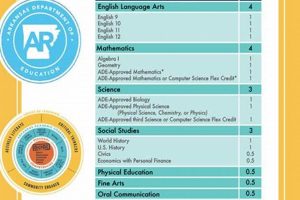
Completion of specific courses and accumulation of necessary credits are fundamental graduation requirements. The final semester provides the last opportunity to fulfill these obligations. For example, a student needing a specific math credit to graduate must successfully complete a qualifying course during the final semester. Failure to do so can delay graduation, impacting college enrollment and other post-secondary plans. The final semester serves as a critical checkpoint for ensuring all required coursework is completed.
- Minimum Grade Point Average (GPA)
Many institutions mandate a minimum GPA for graduation. Final semester performance directly contributes to cumulative GPA, impacting a student’s ability to meet this requirement. A student with a borderline GPA entering the final semester must maintain or improve their academic standing to avoid jeopardizing graduation. For instance, a student slightly below the minimum GPA threshold risks not graduating if their final semester grades are insufficient to raise their cumulative average. The final semester can be a determining factor in meeting GPA requirements.
- Standardized Tests and Assessments
Some jurisdictions require specific standardized test scores or completion of state-mandated assessments for graduation. Students who have not met these requirements by the start of the final semester might have a final opportunity to do so. For example, a student needing to retake a standardized test to meet graduation requirements might have their final opportunity during the final semester. Performance in these assessments during the final semester directly impacts graduation eligibility.
- Attendance and Participation
Attendance policies and participation requirements often contribute to graduation eligibility. Maintaining satisfactory attendance and engagement throughout the final semester is essential for meeting these requirements. A student with marginal attendance entering the final semester risks jeopardizing graduation if absences accumulate. For instance, a student nearing the maximum allowed absences must maintain consistent attendance during the final semester to avoid exceeding the limit and potentially facing consequences impacting graduation.
In conclusion, successful completion of the final semester of high school is intrinsically linked to fulfilling graduation requirements. This period represents the last opportunity to complete necessary coursework, secure required credits, maintain a satisfactory GPA, meet standardized testing benchmarks, and fulfill attendance obligations. Failure to meet these requirements during the final semester can delay or jeopardize graduation, impacting future opportunities. The significance of the final semester is underscored by its direct impact on a student’s ability to graduate and transition successfully to post-secondary pursuits. The final semester serves not merely as a conclusion but as a critical checkpoint for ensuring all graduation requirements are met.
5. Personal Development

The final semester of high school represents a significant period for personal development, extending beyond academic achievements. This period offers opportunities for growth in areas crucial for future success, including self-awareness, interpersonal skills, and decision-making. Understanding the connection between personal development and the final semester of high school is essential for navigating this transition effectively and preparing for future challenges and opportunities.
- Self-Discovery and Reflection
The final semester provides a natural juncture for self-reflection and exploration of personal values and goals. Students often contemplate future aspirations, career paths, and personal identities. This period of introspection allows for clarification of values and priorities, informing future decisions. For example, participation in extracurricular activities or exploring different academic interests during the final semester can contribute to self-discovery and solidify personal values. This process of self-discovery is crucial for making informed choices about post-secondary education and career paths.
- Enhanced Time Management and Organizational Skills
The demands of the final semester, including completing coursework, preparing for standardized tests, and navigating college applications, often necessitate improved time management and organizational skills. Students learn to prioritize tasks, manage deadlines, and balance multiple responsibilities. These skills are transferable and essential for success in higher education, professional environments, and personal life. For example, effectively balancing academic commitments, extracurricular activities, and social life during the final semester cultivates organizational skills that are valuable assets in future endeavors.
- Developing Independence and Self-Reliance
As graduation approaches, students often experience a growing sense of independence and self-reliance. They navigate important decisions regarding their future, often taking on greater responsibility for their academic and personal choices. This period fosters self-advocacy and independent thinking, crucial skills for navigating the complexities of higher education and adult life. For example, taking ownership of the college application process, including researching institutions, completing applications, and making final decisions, fosters independence and prepares students for future self-directed pursuits. This newfound independence is a cornerstone of personal growth during the final semester.
- Strengthening Interpersonal Skills and Building Relationships
The final semester offers opportunities to solidify relationships with peers and teachers. Students often cherish final moments with classmates, building lasting connections and support networks. Furthermore, seeking guidance from teachers and mentors during this period can provide valuable insights and support for future endeavors. These interpersonal skills and supportive relationships are crucial for navigating future challenges and building a strong foundation for personal and professional success. For example, maintaining open communication with teachers during the final semester can provide valuable feedback and guidance for academic improvement and future career paths. Strengthening these connections fosters a supportive network as students transition to the next stage of their lives.
In conclusion, personal development during the final semester of high school is a multifaceted process intrinsically linked to academic pursuits and future success. This period offers valuable opportunities for self-discovery, skill development, and relationship building. Recognizing the significance of personal growth during this transitional phase empowers students to make informed decisions, cultivate essential skills, and build a strong foundation for future endeavors. The final semester is not merely an end but a crucial stepping stone toward personal and professional fulfillment. By actively engaging in self-reflection, skill development, and relationship building, students can maximize their personal growth during this pivotal time and prepare themselves for a successful transition into adulthood.
6. Future Opportunities
Future opportunities, encompassing career prospects, higher education pathways, and personal growth, are significantly influenced by the final semester of high school. This period serves as a bridge between secondary education and future endeavors, impacting immediate and long-term prospects. Understanding the connection between final semester performance and future opportunities is crucial for informed decision-making and maximizing potential.
- Higher Education Pathways
College admissions decisions, particularly for competitive programs, often hinge on final semester grades. A strong finish can solidify acceptance, open doors to specific academic programs, and influence merit-based scholarship opportunities. For example, a student aiming for a competitive science program might secure admission with strong final semester performance in advanced science courses. Conversely, a decline in grades can jeopardize acceptance or limit program choices. The final semester’s impact on higher education pathways is substantial, influencing access to desired institutions and programs.
- Career Prospects
While not immediately apparent, final semester performance can indirectly influence career prospects. A strong academic record, culminating in a successful final semester, can enhance a student’s resume and demonstrate a commitment to excellence, potentially attracting future employers. Furthermore, access to specific higher education programs, influenced by final semester grades, can shape career trajectories. For example, a student gaining admission to a prestigious engineering program due to a strong final semester performance is better positioned for specific career opportunities upon graduation. The final semester indirectly shapes career paths through its influence on higher education access and by reflecting a student’s commitment to academic success.
- Scholarship Opportunities and Financial Aid
Scholarship eligibility often hinges on final semester performance. Many scholarships consider final transcripts, and a strong finish can secure merit-based awards, impacting a student’s ability to afford higher education. Access to financial aid can significantly influence future opportunities, enabling pursuit of desired programs and reducing financial burdens. For example, a student securing a scholarship due to strong final semester grades gains access to educational opportunities that might otherwise be financially unattainable. The final semester’s impact on financial aid and scholarship eligibility directly influences future educational and career pursuits.
- Personal Growth and Skill Development
The final semester fosters personal growth and the development of essential life skills. Navigating the demands of the final semester, including academic pressures and college application processes, cultivates time management, organizational skills, and self-reliance. These skills are transferable and valuable assets in future academic, professional, and personal contexts. For instance, a student effectively managing multiple deadlines and responsibilities during the final semester demonstrates organizational skills highly valued by future employers and essential for success in higher education. The final semester’s contribution to personal growth and skill development equips students with essential tools for future success.
In conclusion, the final semester of high school holds substantial influence over future opportunities, impacting higher education pathways, career prospects, access to financial aid, and personal development. A strong finish maximizes potential and opens doors to a wider range of opportunities, while a decline in performance can limit choices and create future challenges. Recognizing the interconnectedness of final semester performance and future opportunities empowers students to approach this period strategically, maximizing their potential for success and shaping a brighter future. The final semester is not simply an end but a crucial launching point for future endeavors.
Frequently Asked Questions
Addressing common inquiries regarding the significance of the final high school semester provides clarity and empowers students to make informed decisions.
Question 1: How significantly can senior-year grades impact college acceptance decisions if applications are already submitted?
College admissions committees often review final transcripts before rendering final decisions. A significant decline in grades can raise concerns about a student’s preparedness for higher education, potentially jeopardizing acceptance, particularly for applicants on the borderline. Conversely, a strong finish can solidify acceptance and demonstrate continued academic commitment.
Question 2: Can a strong final semester compensate for a weaker academic performance earlier in high school?
While a strong final semester demonstrates positive academic trajectory, it does not entirely erase previous performance. Admissions committees consider the entirety of a student’s record. However, a marked improvement can indicate growth and potential, positively influencing admission outcomes.
Question 3: How does final semester performance influence scholarship eligibility, especially for scholarships awarded after the application deadline?
Many scholarships require final transcripts, and final semester grades directly impact eligibility, especially for merit-based awards. A strong finish can secure scholarships even after initial applications are submitted, while a decline in performance can jeopardize eligibility.
Question 4: Is maintaining involvement in extracurricular activities during the final semester important, or should academic focus be prioritized exclusively?
Balancing academic rigor with continued extracurricular involvement is often beneficial. Continued participation demonstrates well-roundedness and commitment, valuable qualities often considered by colleges and scholarship committees. However, academic performance should remain a priority.
Question 5: What steps can students take to mitigate stress and maintain academic focus during the demanding final semester?
Effective stress management techniques, such as prioritizing tasks, utilizing time management strategies, seeking support from counselors or teachers, and maintaining a healthy lifestyle, are crucial for navigating the demands of the final semester and sustaining academic focus.
Question 6: How can students leverage the final semester to prepare effectively for the transition to college or other post-secondary pursuits?
Connecting with teachers and mentors for guidance, researching college resources and support services, exploring career paths, and continuing skill development through relevant coursework or extracurricular activities are effective strategies for preparing for the transition to post-secondary endeavors.
Addressing these common concerns underscores the importance of the final high school semester. A proactive and informed approach to these concluding months can significantly influence future opportunities.
The following section will provide further resources and guidance for navigating the final semester successfully.
Does the Last Semester of High School Matter? A Concluding Perspective
This exploration has underscored the undeniable significance of the final high school semester. Academic performance during this period directly impacts final GPA, influencing college admissions decisions and scholarship eligibility. Furthermore, successful completion of required coursework and fulfillment of graduation requirements are paramount for transitioning to post-secondary pursuits. Beyond academics, the final semester fosters crucial personal development, cultivating essential skills like time management, self-reliance, and informed decision-making. These acquired skills and experiences significantly influence future opportunities, impacting career prospects, higher education pathways, and personal growth.
The final semester of high school represents not merely an endpoint but a critical launching point. Strategic navigation of these concluding months, marked by sustained academic commitment, proactive engagement, and thoughtful self-reflection, empowers students to maximize their potential and shape a future brimming with opportunity. The implications of performance during this period extend far beyond graduation, influencing long-term success and personal fulfillment. A strong finish is not simply desirable; it’s a strategic investment in a brighter future.