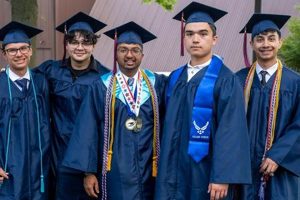
These awards, typically presented at the end of the academic year, recognize students for a variety of characteristics, from academic excellence and athletic prowess to personality traits like “Most Likely to Succeed” or “Friendliest.” Examples include “Most Artistic,” “Best Dressed,” and “Class Clown.”
This tradition serves several important functions. It offers a celebratory conclusion to students’ secondary education, acknowledging individual contributions and creating lasting memories. Furthermore, it provides a platform to highlight a diverse range of talents and achievements, fostering a sense of community and belonging within the graduating class. Historically, these recognitions have evolved from simple academic prizes to encompass a wider spectrum of student life, reflecting changing social values and educational priorities.
This exploration will delve further into specific award categories, the selection process, and the cultural significance of these end-of-year accolades within the broader educational landscape.
Tips for a Positive Experience with Yearbook Recognitions
Careful consideration should be given to the nomination and selection process to ensure these awards are meaningful and inclusive.
Tip 1: Encourage Broad Participation: Implement systems that allow all students to contribute nominations, ensuring diverse representation and preventing a popularity contest.
Tip 2: Establish Clear Criteria: Define the qualities associated with each award to guide the selection process and reduce ambiguity. For “Most Talented,” specify whether it encompasses artistic, musical, or other abilities.
Tip 3: Promote Respect and Sensitivity: Frame all categories positively, avoiding potentially embarrassing or hurtful labels. Replace outdated or insensitive titles with more inclusive alternatives.
Tip 4: Consider Multiple Award Categories: Offer a wide array of awards to acknowledge diverse talents and contributions, ensuring broader student recognition.
Tip 5: Ensure Transparency in the Selection Process: Clearly communicate the voting or selection procedures to build trust and fairness. Utilizing a blind voting system can further enhance impartiality.
Tip 6: Focus on Positive Attributes: Emphasize accomplishments and positive qualities. Avoid categories that could be interpreted negatively or single out students based on physical appearance.
Tip 7: Involve Faculty and Staff: Include teachers and staff in the nomination process as they offer diverse perspectives on student strengths and contributions.
By implementing these strategies, institutions can create a more positive and inclusive experience, ensuring these recognitions truly celebrate student accomplishments and contributions.
These considerations contribute to a more thoughtful and rewarding tradition, benefiting both the individual recipients and the broader school community.
1. Recognition

Recognition forms a cornerstone of human experience, deeply influencing motivation, self-esteem, and social dynamics. Within the context of high school, formalized recognition programs, exemplified by yearbook awards, play a significant role in acknowledging student contributions and shaping the overall educational journey.
- Formal Acknowledgment:
Formal acknowledgment, such as receiving an award for “Most Improved Student,” validates effort and progress. This public affirmation can boost confidence and inspire further growth. These awards offer a tangible symbol of achievement, reinforcing positive behaviors and contributions within the school community.
- Peer Validation:
Peer validation, often integral to the selection process, adds another layer of significance. Being recognized by one’s peers for qualities like “Most Spirited” or “Friendliest” fosters a sense of belonging and strengthens social bonds. This acknowledgment from classmates can be particularly impactful during formative adolescent years.
- Celebration of Diverse Talents:
Beyond academic achievements, these awards celebrate a diverse range of talents and contributions. Recognizing “Most Artistic” or “Best Musician” acknowledges skills and passions that might not be highlighted in traditional academic settings. This inclusive approach fosters a more holistic view of student potential and encourages participation in a wider range of activities.
- Lasting Memories:
These awards contribute to the creation of lasting memories, marking a significant milestone in students’ lives. Years later, these recognitions can serve as reminders of accomplishments, friendships, and defining moments of the high school experience. They become part of the narrative students construct about their time in school, contributing to a sense of identity and belonging within a specific graduating class.
The various facets of recognition within the framework of these awards contribute to a more enriching and memorable high school experience. By acknowledging individual strengths and contributions, these programs create a positive and supportive environment, fostering both individual growth and a stronger sense of community.
2. Yearbook Tradition

Yearbook traditions serve as a tangible representation of collective memory and shared experiences within a school community. These annual publications encapsulate a specific moment in time, preserving not only individual portraits but also the spirit and culture of a graduating class. Within this established tradition, student recognitions play a crucial role, adding a layer of personalized celebration and acknowledgment.
The inclusion of these awards within yearbooks reinforces their significance. The printed format transforms these recognitions into lasting mementos, solidifying their place within the graduating class’s history. This tangible record allows future generations to glimpse into the past, understanding the values and characteristics celebrated within a specific era. For example, awards like “Most Likely to Succeed” or “Class Clown” offer insights into societal norms and student aspirations of the time. Furthermore, the yearbook serves as a platform for showcasing the diversity of talents within a graduating class, extending beyond academic achievements to include artistic, athletic, and social contributions. This inclusive approach strengthens the sense of community, celebrating the unique qualities of each individual.
Understanding the interplay between yearbook traditions and student recognitions offers valuable insights into the evolution of high school culture. The categories recognized, the selection process, and the presentation of these awards within the yearbook reflect broader societal shifts and changing educational values. Recognizing this connection allows for a deeper appreciation of the yearbook as a historical document, capturing not just individual achievements but also the collective identity of a graduating class. This understanding underscores the importance of thoughtful consideration in the development and implementation of these awards, ensuring they reflect the values and aspirations of the community they represent.
3. Student Achievements

Student achievements form a cornerstone of high school superlatives, providing the foundation for these celebratory recognitions. These awards serve as a culminating acknowledgment of students’ dedication and accomplishments throughout their secondary education. The connection between achievement and these awards operates on multiple levels, reflecting academic excellence, extracurricular involvement, and personal growth.
Academic accomplishments often constitute a significant category within these awards. “Highest GPA” or “Most Improved Student” recognize dedication to scholarly pursuits. Extracurricular achievements, encompassing athletic prowess, artistic talent, and leadership roles, also feature prominently. “Most Valuable Player” or “Best Actor” highlight contributions beyond the classroom. Personal growth, although sometimes less quantifiable, holds equal importance. Awards like “Most Likely to Succeed” or “Kindest” reflect character development and positive contributions to the school community. A student consistently volunteering at a local animal shelter might be recognized for their community spirit, while overcoming significant academic challenges could lead to a “Most Improved” award. These examples illustrate the diverse range of achievements celebrated through these awards, emphasizing a holistic view of student development.
Understanding the integral link between student achievement and these year-end recognitions underscores their educational value. They incentivize positive behavior, encourage active participation in school activities, and celebrate individual growth. This recognition not only benefits the individual recipients but also fosters a positive school climate by highlighting contributions and accomplishments within the broader community. While challenges like ensuring fair representation and avoiding undue pressure on students exist, the focus should remain on celebrating the diverse tapestry of achievements within the student body. This perspective reinforces the importance of these awards as a meaningful culmination of student effort and a celebration of their unique contributions to the high school experience.
4. Memorable Moments

High school superlatives contribute significantly to the creation of memorable moments, marking a pivotal transition in students’ lives. These awards, often presented during graduation ceremonies or other prominent events, become embedded within the collective memory of the graduating class, representing both individual achievements and shared experiences. Examining the specific facets of these memorable moments reveals their profound impact on students and the broader school community.
- Ritual and Tradition:
The formal presentation of superlatives often follows established rituals and traditions, adding to the sense of occasion. The anticipation, the announcement of recipients, and the accompanying applause create a shared experience that reinforces the significance of the moment. This ritualistic element transforms individual recognition into a collective celebration, binding the graduating class together through shared emotion and experience. The ceremonial nature of these awards elevates them beyond mere titles, embedding them within the cultural fabric of the school.
- Emotional Resonance:
Receiving recognition evokes strong emotions, from pride and joy to surprise and gratitude. These emotions amplify the memory of the event, etching it deeply into the recipient’s personal narrative. For example, a student receiving the “Most Artistic” award might feel a surge of validation for their passion, solidifying their artistic identity. These emotionally charged moments become touchstones, shaping self-perception and contributing to a positive sense of self.
- Social Connection:
Superlative awards often serve as a catalyst for social interaction. Congratulations from peers, family, and educators reinforce the recognition and create opportunities for shared celebration. These interactions further strengthen the memory of the event, associating it with positive social connections. The shared joy and excitement surrounding these awards contribute to a sense of community and belonging within the graduating class.
- Lasting Legacy:
These memorable moments extend beyond the immediate event. Photographs, yearbook entries, and personal anecdotes preserve these memories, allowing individuals to revisit and relive them in the future. These tangible and intangible reminders solidify the legacy of the awards, connecting past experiences to present identity. Years later, these memories can serve as sources of inspiration and connection, reminding individuals of their accomplishments and the community that celebrated them.
The creation of memorable moments through high school superlatives contributes significantly to the overall high school experience. These moments, imbued with ritual, emotion, social connection, and lasting legacy, transcend simple recognition, becoming integral to the narrative students construct about their time in school. Understanding the multifaceted nature of these memorable moments underscores the importance of thoughtful and inclusive practices surrounding superlative awards, ensuring they contribute positively to the individual and collective experience of the graduating class.
5. Community Building
High school superlatives, often viewed as a simple celebratory tradition, play a significant role in fostering community building within a graduating class. These awards, recognizing a diverse range of talents and contributions, create opportunities for connection, shared experience, and mutual recognition, strengthening the social fabric of the student body. Examining the specific ways these awards contribute to community building reveals their broader social impact within the high school environment.
- Shared Recognition and Celebration:
The process of nominating, selecting, and awarding superlatives creates a shared experience for the entire class. Students participate in recognizing and celebrating their peers’ accomplishments, fostering a sense of collective pride and mutual respect. The public acknowledgment of these achievements reinforces positive behaviors and contributions, strengthening the overall community ethos. For example, celebrating the “Most Improved Student” not only acknowledges individual progress but also inspires others to strive for personal growth, contributing to a culture of continuous improvement within the school.
- Highlighting Diversity and Inclusion:
Superlatives, encompassing a wide range of categories, celebrate the diverse talents and personalities within a graduating class. Recognizing achievements beyond academics, such as artistic talent (“Most Artistic”) or community involvement (“Most Dedicated Volunteer”), fosters a sense of inclusivity and belonging. This recognition validates diverse forms of contributions, creating a more welcoming and representative community where all students feel valued and respected. This inclusive approach strengthens the social fabric by acknowledging and appreciating the unique qualities of each individual.
- Creating Positive Social Bonds:
The process of discussing and debating nominees, voting for classmates, and celebrating award recipients fosters interaction and strengthens social bonds within the graduating class. These shared experiences create opportunities for students to connect with one another on a deeper level, building relationships based on mutual recognition and appreciation. The positive emotions associated with these awards further solidify these connections, contributing to a more cohesive and supportive community environment.
- Promoting School Spirit and Identity:
Superlatives contribute to a sense of shared identity and school spirit by highlighting individuals who embody the values and characteristics prized by the community. These awards become a reflection of the school’s culture, reinforcing positive norms and behaviors. For example, recognizing students for their kindness or leadership reinforces these qualities as important aspects of the school’s identity. This shared understanding of valued traits strengthens the collective identity and fosters a stronger sense of belonging within the school community.
By fostering shared recognition, celebrating diversity, creating positive social bonds, and promoting school spirit, high school superlatives contribute significantly to building a stronger and more inclusive community within the graduating class. These awards, often seen as a lighthearted tradition, serve a deeper social function, shaping the student experience and leaving a lasting impact on the school environment. This understanding underscores the importance of thoughtful and inclusive practices in the development and implementation of superlative awards, ensuring they effectively contribute to a positive and thriving school community.
6. Peer Voting
Peer voting constitutes a significant component of high school superlatives, directly influencing the selection process and shaping the overall meaning of these awards. This involvement of the student body introduces a unique dynamic, reflecting student perspectives and shaping the social significance of the recognitions. Peer input offers valuable insights into individual contributions and perceived strengths within the student community. For instance, a student consistently demonstrating helpfulness and empathy might be voted “Most Kind” by their peers, reflecting their observed behavior and impact on the social environment. Conversely, a student displaying exceptional creativity in art class might be recognized as “Most Artistic,” showcasing peer acknowledgment of specific talents. These examples illustrate how peer voting directly translates observed qualities into formal recognition.
The practice of peer voting carries several implications. It fosters a sense of ownership and shared responsibility within the graduating class. Students actively participate in shaping the narrative of their year, recognizing and celebrating their peers’ contributions. This participatory element can strengthen community bonds and create a more meaningful experience for all involved. However, potential challenges exist. The influence of social dynamics, including popularity and pre-existing biases, can impact voting outcomes. Ensuring fairness and mitigating potential negative consequences, such as popularity contests or exclusion of deserving individuals, requires careful consideration and implementation of appropriate safeguards. Strategies like clear award criteria, anonymous voting systems, and promoting a culture of respect and inclusivity can help mitigate these risks. Furthermore, incorporating faculty input alongside peer voting can provide a balanced perspective, ensuring recognition aligns with both student perception and educator observation.
Understanding the dynamics of peer voting within the context of high school superlatives offers valuable insights into the social fabric of the student body. While challenges related to fairness and potential biases require ongoing attention, peer involvement remains a crucial element. It empowers students, fosters a sense of community ownership, and ensures these recognitions reflect the shared values and perspectives of the graduating class. Balancing peer input with appropriate oversight mechanisms ensures these awards remain a meaningful celebration of student contributions while upholding principles of fairness and inclusivity.
Frequently Asked Questions
This section addresses common inquiries regarding these recognitions, providing clarity and promoting a deeper understanding of their purpose and implementation.
Question 1: How are recipients typically selected?
Selection processes vary across institutions. Common methods include student nominations, faculty input, or a combination of both. Some schools utilize voting systems, while others employ committees to review nominations and determine recipients based on pre-established criteria.
Question 2: What is the historical context of these awards?
These awards have evolved over time, reflecting changing social values and educational priorities. Initially focused primarily on academic achievements, they now encompass a broader range of talents, contributions, and personality traits.
Question 3: How can one ensure these awards promote inclusivity and avoid reinforcing stereotypes?
Careful consideration of award categories is crucial. Institutions should strive for diverse and inclusive categories, avoiding those that might perpetuate stereotypes or marginalize certain groups. Regular review and updates of award categories are recommended to ensure they reflect evolving community values.
Question 4: What are the benefits of incorporating these recognitions into the educational experience?
These recognitions offer numerous benefits. They celebrate student achievements, foster a sense of community and belonging, and create lasting memories. Additionally, they can motivate students, promote positive behaviors, and acknowledge contributions beyond academic performance.
Question 5: How can one address concerns about fairness and potential bias in the selection process?
Transparency and clear communication are essential. Establishing clear criteria for each award and utilizing a well-defined selection process, such as anonymous voting or a diverse selection committee, can help mitigate bias and ensure fairness. Regular review and refinement of the process based on community feedback is recommended.
Question 6: What is the significance of these awards beyond high school?
While seemingly symbolic, these awards can hold personal significance for recipients, serving as reminders of their accomplishments and contributions during a formative period. They can also contribute to a sense of connection with classmates and the broader school community.
Thoughtful implementation of these recognitions can greatly enhance the overall high school experience, creating a positive and memorable conclusion to students’ secondary education.
The following section will delve into specific examples of commonly used awards, offering further insights into their significance and potential impact.
Conclusion
Yearbook recognitions represent a significant tradition within the educational landscape. This exploration has examined their multifaceted nature, from their historical context and evolving categories to the selection process and inherent challenges. The importance of fostering inclusivity, celebrating diverse achievements, and promoting positive community impact has been emphasized. Key aspects, including the role of peer voting, the creation of memorable moments, and the long-term significance for individuals and the broader school community, have been thoroughly analyzed.
These awards, seemingly simple in nature, hold the potential to shape individual student experiences and contribute to a positive and thriving school environment. Thoughtful consideration of their implementation, continuous adaptation to evolving community values, and a commitment to fairness and inclusivity remain crucial for ensuring these traditions serve their intended purpose: celebrating student accomplishments and fostering a stronger, more connected school community.