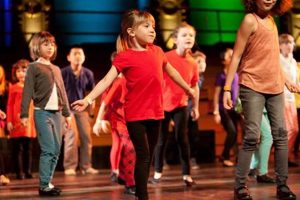
Social and emotional learning experiences designed for young learners typically involve engaging exercises, games, and discussions that foster crucial skills such as self-awareness, self-management, social awareness, relationship skills, and responsible decision-making. For example, a classroom activity might involve students identifying and labeling different emotions using flashcards or participating in role-playing scenarios to practice conflict resolution.
These educational practices are vital for nurturing well-rounded individuals equipped to navigate academic challenges, build healthy relationships, and develop resilience. A strong foundation in social-emotional competencies is linked to improved academic performance, reduced behavioral problems, and increased overall well-being. The increasing recognition of these benefits has led to greater integration of these practices into educational curricula worldwide.
This discussion will further explore specific strategies and resources for implementing effective social-emotional learning opportunities in elementary school classrooms, addressing diverse learning styles and developmental stages.
Tips for Effective Social and Emotional Learning in Elementary School
The following tips offer practical guidance for educators seeking to integrate effective social and emotional learning opportunities within their classrooms.
Tip 1: Integrate into Existing Curriculum: Rather than treating social-emotional learning as a separate subject, weave it into existing lessons. Mathematics problems can incorporate scenarios requiring ethical decision-making, while literature can provide opportunities to discuss characters’ emotions and motivations.
Tip 2: Utilize Storytelling and Role-Playing: Storytelling and role-playing provide engaging platforms for children to explore different social situations and practice appropriate responses. These activities can help develop empathy and perspective-taking skills.
Tip 3: Create a Positive Classroom Climate: A supportive and respectful classroom environment is essential for effective social and emotional development. Establish clear expectations for behavior and encourage positive interactions among students.
Tip 4: Encourage Collaboration and Teamwork: Group projects and collaborative activities provide opportunities for students to develop communication, cooperation, and conflict-resolution skills. Assign roles and responsibilities to foster a sense of shared purpose.
Tip 5: Provide Opportunities for Reflection: Encourage students to reflect on their experiences and identify their strengths and areas for growth. Journaling, class discussions, and mindfulness exercises can facilitate self-reflection.
Tip 6: Involve Families and Communities: Extend social and emotional learning beyond the classroom by involving families and community members. Share resources and strategies with parents and caregivers to promote consistent support.
Tip 7: Use Developmentally Appropriate Strategies: Consider students’ developmental stages and adapt activities accordingly. Younger children may benefit from simpler activities focusing on basic emotions, while older students can engage in more complex discussions and scenarios.
By implementing these strategies, educators can cultivate essential social and emotional skills that empower students for success in school and beyond. These skills contribute to a more positive learning environment, improved academic performance, and enhanced overall well-being.
This exploration of practical tips provides a foundation for educators to create enriching social and emotional learning experiences. Further resources and support can be found through various educational organizations and online platforms.
1. Age-Appropriate Activities

Developmental stages significantly influence the effectiveness of social and emotional learning (SEL). Age-appropriate activities ensure alignment with students’ cognitive, emotional, and social capacities. For younger elementary students, activities focusing on recognizing and labeling basic emotions, such as happiness, sadness, and anger, are beneficial. Using visual aids like emotion charts or engaging in simple role-playing scenarios can help them understand and express feelings. As children mature, activities can progress to more complex concepts like empathy, perspective-taking, and conflict resolution. Analyzing characters’ motivations in literature or engaging in discussions about ethical dilemmas provides opportunities for deeper exploration of social and emotional themes. Failing to consider developmental appropriateness can lead to disengagement or frustration, hindering the effectiveness of SEL initiatives. For example, expecting a first-grader to analyze complex social dynamics would be unrealistic, while asking a fifth-grader to simply label basic emotions might be perceived as condescending.
Practical application of this understanding requires educators to carefully select and adapt activities to suit their students’ developmental needs. This might involve modifying existing resources or creating new materials tailored to specific age groups. Collaborating with school counselors or other SEL specialists can provide valuable insights and support. Observation of student engagement and responses during activities offers valuable feedback for ongoing adjustments and refinements. For instance, a classroom activity involving conflict resolution could be adapted for younger students by using puppets to act out scenarios, while older students might benefit from engaging in peer mediation role-plays. Understanding the developmental trajectory allows educators to scaffold SEL skill development effectively, building upon prior knowledge and experiences.
Matching activities to developmental stages is crucial for maximizing the impact of SEL in elementary school. This approach ensures relevance, promotes engagement, and fosters meaningful social and emotional growth. Challenges may include access to appropriate resources and the need for ongoing professional development to stay abreast of best practices in SEL. However, the long-term benefits of investing in developmentally appropriate SEL activities extend far beyond the classroom, contributing to students’ overall well-being and future success.
2. Engaging Participation

Engaging participation forms the cornerstone of effective social and emotional learning (SEL) in elementary school. When students actively participate, they move beyond passive absorption of information and enter a realm of experiential learning. This active involvement fosters deeper understanding and internalization of SEL principles. A direct correlation exists between the level of student engagement and the effectiveness of SEL activities. Passive participation often yields superficial understanding, while active engagement promotes genuine skill development. For instance, a student passively listening to a lecture on empathy might not grasp its nuances as effectively as a student actively participating in a role-playing exercise simulating empathetic responses.
The importance of engaging participation stems from its ability to transform abstract concepts into tangible experiences. Active involvement in activities like collaborative problem-solving, conflict resolution simulations, and emotional expression exercises allows students to practice SEL skills in a safe and controlled environment. This practice bridges the gap between theory and application, enabling students to translate learned skills into real-life interactions. A student who actively participates in a classroom discussion about managing anger is more likely to apply those strategies during a playground disagreement than a student who merely observes the discussion. Practical applications of this understanding include designing activities that cater to diverse learning styles and incorporating elements of play, creativity, and student choice to maximize engagement.
Cultivating engaging participation requires educators to create a learning environment that fosters curiosity, encourages collaboration, and values student voice. Strategies for promoting active involvement include incorporating interactive games, utilizing technology-based learning platforms, and providing opportunities for student leadership and peer teaching. Challenges to engagement can include student apathy, classroom management issues, and limited resources. Addressing these challenges requires ongoing assessment of student needs, adaptation of teaching strategies, and collaboration with school administrators and families to create a supportive ecosystem for SEL. Ultimately, fostering engaging participation is an investment in students’ social and emotional well-being, equipping them with the essential skills to navigate life’s complexities with resilience and empathy.
3. Skill-building Focus

Social and emotional learning (SEL) activities in elementary school settings necessitate a deliberate focus on skill development. Effective SEL implementation moves beyond abstract discussions of concepts like empathy or self-awareness and emphasizes the acquisition of practical skills applicable to students’ daily lives. This skill-building focus provides students with tangible tools and strategies for navigating social situations, managing emotions, and making responsible decisions. Without a clear emphasis on skill development, SEL risks becoming a theoretical exercise with limited impact on student behavior and well-being.
- Self-Awareness:
Developing self-awareness involves recognizing one’s emotions, strengths, weaknesses, and values. Activities focusing on this skill might include journaling prompts that encourage emotional reflection or self-assessment exercises that help students identify their talents and areas for growth. A student recognizing frustration as a trigger for impulsive behavior demonstrates increased self-awareness. This skill forms the foundation for other SEL competencies.
- Self-Management:
Self-management builds upon self-awareness by equipping students with strategies to regulate emotions, manage stress, and set achievable goals. Activities might involve practicing mindfulness techniques for calming down when overwhelmed or developing organizational skills to improve time management. A student utilizing deep breathing exercises to manage test anxiety demonstrates self-management skills. This skill contributes to academic success and improved interpersonal interactions.
- Social Awareness:
Social awareness involves understanding and empathizing with the perspectives and experiences of others. Activities focusing on this skill might involve participating in group discussions about diverse cultural backgrounds or engaging in role-playing exercises that simulate different social situations. A student recognizing a classmate’s sadness and offering support demonstrates social awareness. This skill fosters positive relationships and inclusive classroom environments.
- Relationship Skills:
Relationship skills encompass communication, cooperation, conflict resolution, and building healthy relationships. Activities might include practicing active listening techniques or participating in peer mediation simulations. A student effectively resolving a conflict with a peer by using compromise demonstrates relationship skills. This skill contributes to positive social interactions and a sense of belonging.
These interconnected skill areas form the core of SEL and provide a framework for designing effective activities. Intentional focus on these specific skills ensures that SEL activities translate into tangible improvements in student behavior, academic performance, and overall well-being. Integrating these skills within the curriculum and reinforcing them across various learning environments fosters a holistic approach to SEL, preparing students for success in school and beyond.
4. Safe Classroom Climate

A safe classroom climate is essential for effective social and emotional learning (SEL). It provides the foundational security necessary for students to engage in vulnerable activities like sharing feelings, practicing conflict resolution, and exploring personal strengths and weaknesses. Without a sense of safety and trust, students may hesitate to participate fully, limiting the potential benefits of SEL. This connection between a safe classroom and successful SEL initiatives underscores the need for educators to prioritize creating a nurturing and inclusive learning environment.
- Respectful Communication:
Respectful communication forms the bedrock of a safe classroom climate. Establishing clear expectations for how students interact with each other and with educators is crucial. This includes promoting active listening, encouraging respectful disagreement, and prohibiting bullying or derogatory language. When students feel respected and heard, they are more likely to engage openly in SEL activities. For instance, a classroom where students feel comfortable expressing differing opinions without fear of ridicule fosters a safer environment for exploring sensitive topics. This, in turn, enhances the effectiveness of activities like conflict resolution role-playing or discussions about ethical dilemmas.
- Emotional Safety:
Emotional safety refers to an environment where students feel comfortable expressing their emotions without fear of judgment or ridicule. This requires educators to model emotional regulation, validate students’ feelings, and create opportunities for emotional expression in healthy and constructive ways. A classroom where students feel safe sharing their anxieties or frustrations without fear of being dismissed or shamed allows for deeper exploration of emotional literacy skills. This fosters trust and encourages participation in activities like journaling, mindfulness exercises, or group discussions about managing emotions.
- Inclusive Environment:
An inclusive classroom climate celebrates diversity and ensures that all students feel a sense of belonging. This involves recognizing and valuing individual differences, promoting empathy and understanding among students, and addressing any instances of bias or discrimination. When students feel accepted and respected for who they are, they are more likely to engage authentically in SEL activities. This inclusivity enhances the effectiveness of activities like discussions about cultural differences, perspective-taking exercises, or collaborative projects that require teamwork and mutual respect.
- Predictable Routines and Boundaries:
Clear expectations, predictable routines, and consistent boundaries contribute significantly to a safe classroom climate. Knowing what to expect reduces anxiety and provides a sense of stability, allowing students to focus on learning and engaging in SEL activities. This structure creates a container for emotional exploration, ensuring that activities like group discussions or role-playing exercises remain focused and productive. Consistent enforcement of classroom rules and expectations reinforces a sense of safety and fairness, promoting trust and encouraging student participation.
These interconnected facets of a safe classroom climate are integral to successful SEL implementation. They create a supportive environment where students feel empowered to explore their emotions, develop essential social skills, and cultivate their overall well-being. When a safe classroom climate is established, SEL activities become more than just lessons; they transform into opportunities for personal growth and meaningful connection.
5. Home-School Connection

A strong home-school connection significantly amplifies the effectiveness of social and emotional learning (SEL) in elementary school. Parental involvement creates a consistent and supportive environment that reinforces the skills and concepts learned in the classroom. This bridge between school and home fosters a unified approach to SEL, ensuring that students receive consistent messaging and opportunities to practice SEL skills in multiple contexts. When parents actively participate in their child’s SEL development, the impact of classroom activities extends beyond school walls, integrating into the fabric of daily life. For example, a child learning about conflict resolution at school can practice those skills at home during disagreements with siblings, with parental guidance reinforcing the learned strategies. This consistent application solidifies the learning process and promotes lasting behavioral changes.
Practical applications of this connection include regular communication between teachers and parents about SEL curriculum and student progress. Schools can provide resources and workshops to equip parents with strategies for supporting their child’s SEL development at home. Shared activities, such as family discussions about emotions or collaborative problem-solving exercises, can further strengthen the home-school connection. This collaborative approach ensures that SEL is not confined to the classroom but becomes an integral part of a child’s overall development. For instance, a school might send home a weekly newsletter outlining the SEL skills being addressed in class, along with suggestions for parents to reinforce those skills at home. Challenges to establishing a strong home-school connection might include varying levels of parental involvement, language barriers, or differing cultural values. Addressing these challenges requires open communication, culturally sensitive outreach, and flexible strategies that accommodate diverse family structures and circumstances.
A robust home-school partnership is integral to maximizing the impact of SEL in elementary education. It fosters a holistic and integrated approach to SEL development, ensuring that students receive consistent support and opportunities to practice essential skills both at school and at home. This cohesive partnership cultivates a nurturing ecosystem where children can thrive emotionally, socially, and academically, equipping them with the foundational skills for lifelong success. Despite the challenges, prioritizing and investing in a strong home-school connection yields substantial benefits for students, families, and the broader community.
Frequently Asked Questions about Social and Emotional Learning in Elementary School
This section addresses common inquiries regarding the implementation and benefits of social and emotional learning (SEL) in elementary school settings.
Question 1: How does social and emotional learning (SEL) benefit academic performance?
Research indicates a strong correlation between SEL skills and improved academic outcomes. Students with developed SEL skills tend to demonstrate increased focus, improved classroom behavior, and greater motivation to learn, all of which contribute to academic success.
Question 2: What are some examples of SEL activities suitable for elementary-aged children?
Examples include role-playing scenarios to practice conflict resolution, cooperative games that promote teamwork, and mindfulness exercises to develop self-regulation skills. Activities can be adapted to suit varying age groups and developmental levels.
Question 3: How can parents support their child’s SEL development at home?
Parents can model SEL skills, engage in conversations about emotions, create opportunities for children to practice problem-solving, and collaborate with schools to reinforce consistent messaging and strategies.
Question 4: How can educators integrate SEL into existing curricula?
SEL can be woven into various subjects. Literature can provide opportunities to discuss characters’ emotions and motivations, while mathematics problems can incorporate scenarios requiring ethical decision-making.
Question 5: How can schools assess the effectiveness of their SEL programs?
Schools can utilize various assessment methods, including observations of student behavior, surveys to gauge student perceptions, and data analysis to track academic progress and reductions in disciplinary incidents.
Question 6: What are some common misconceptions about SEL?
One common misconception is that SEL replaces academic instruction. In reality, SEL complements academics by providing students with the essential skills to succeed in learning environments. Another misconception is that SEL is solely the responsibility of schools. Effective SEL requires collaboration among schools, families, and communities.
Developing social and emotional skills is crucial for student success both in and out of the classroom. Further exploration of SEL resources and best practices can contribute to ongoing improvement of SEL implementation.
The following section delves into specific strategies and resources available to support effective social and emotional learning within the elementary school setting.
Conclusion
Social and emotional learning activities designed for elementary-aged students offer a crucial foundation for academic success, emotional well-being, and the development of essential life skills. Exploration of key aspects, including age-appropriate activities, engaging participation, skill-building focus, safe classroom climate, and home-school connection, reveals the multifaceted nature of effective SEL implementation. These interconnected elements contribute to a holistic approach that nurtures well-rounded individuals equipped to navigate the complexities of life.
Cultivating these essential skills requires ongoing commitment from educators, families, and communities. Investing in effective social and emotional learning activities empowers young learners to thrive academically, build strong relationships, and develop resilience, ultimately contributing to a more compassionate and productive society. Continued exploration and refinement of SEL practices will further enhance the educational landscape and contribute to the well-being of future generations.